
Sump Pump Failure: What To Do Next
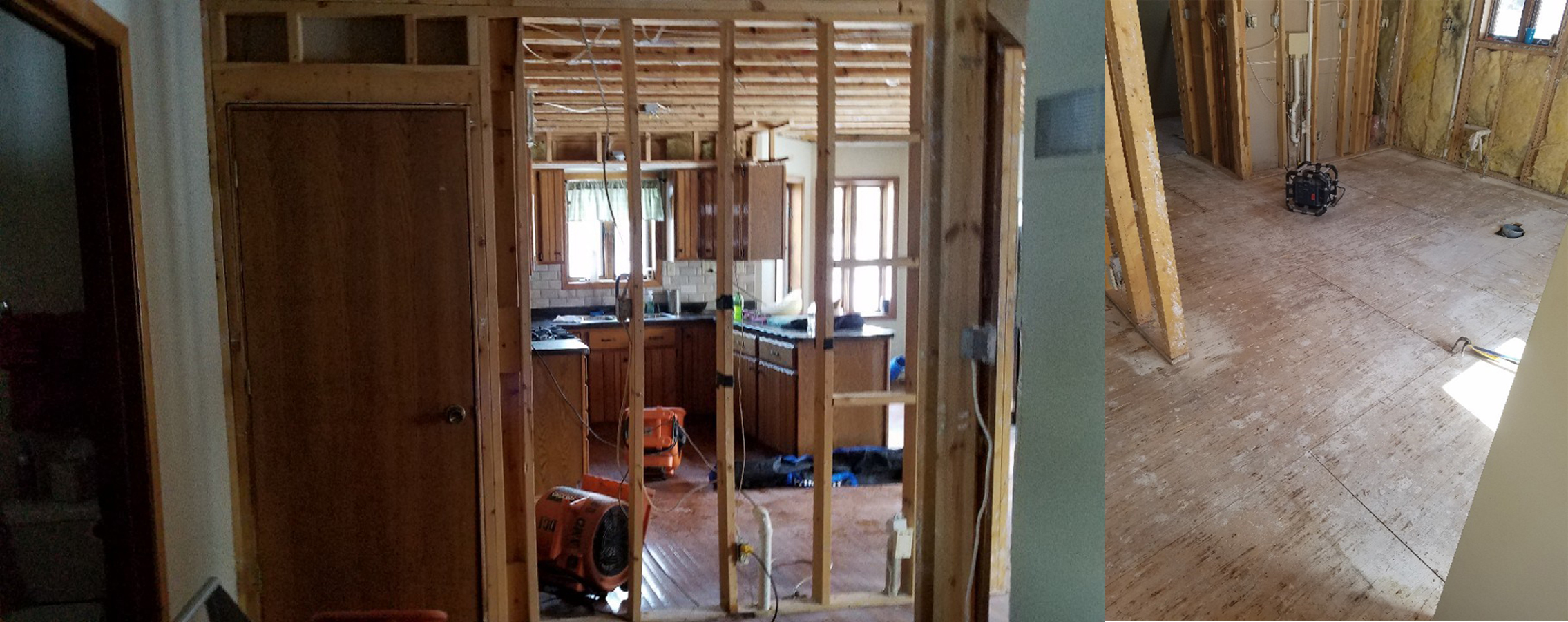
Sump pump failure
A failed sump pump can quickly lead to basement flooding, resulting in water damage to flooring, drywall, furniture, and personal belongings. Because sump pumps are often homeowners' first line of defense against groundwater intrusion, any malfunction can allow water to accumulate rapidly during heavy rain or snowmelt.
Common causes of sump pump failure include:
- Power outages during severe storms
- Mechanical or motor failure
- Burned-out or aging pump components
- Stuck or malfunctioning float switches
- Frozen discharge lines during winter months
- Clogged discharge pipes or drainage systems
- Improper installation or undersized systems
- Lack of routine maintenance and testing
- Heavy rainfall overwhelming the pump's capacity
Understanding what caused the failure is an important first step in preventing future basement flooding and minimizing water damage. If your sump pump has stopped working and water is entering your basement, professional water extraction and structural drying should begin as soon as possible.
Step One: Stay safe
Your safety should always be the first priority after a sump pump failure or basement flood. Standing water can create electrical hazards and may conceal slippery surfaces or other dangers.
- Avoid entering areas with standing water near electrical outlets, appliances, or wiring.
- If it is safe to do so, turn off power to the affected area at the breaker panel.
- Never touch electrical equipment while standing in water.
- Keep children and pets away from flooded areas until the water has been removed.
- If you suspect electrical hazards or are unsure whether the area is safe, contact a qualified electrician or emergency professional before entering the space.
Taking a few moments to assess the situation safely can help prevent injuries while protecting your property from further damage.
Step two: stop additional water intrusion
Once the area is safe to enter, take steps to prevent additional water from entering your basement. Identifying the cause of the sump pump failure may help reduce further flooding and limit damage to your property.
- Check the sump pump discharge line for clogs, ice buildup, or obstructions that may be preventing water from draining properly.
- Verify that the sump pump is receiving power and inspect the float switch for signs of malfunction.
- If your home has a battery backup or secondary sump pump system, make sure it is operating correctly.
- Remove debris from the sump pit if it is safe to do so.
- Monitor water levels closely during heavy rainfall or continued groundwater intrusion.
If water continues to enter the basement or the sump pump is not functioning properly, contact a professional water damage restoration company as soon as possible to begin water extraction and drying.
step three: remove valuable content
If it is safe to enter the affected area, move valuable belongings away from standing water and damp surfaces as quickly as possible. Water damage can spread rapidly and may permanently damage personal belongings if they remain in a flooded basement.
- Remove furniture, electronics, important documents, and sentimental items from affected areas.
- Relocate boxes, storage containers, and household belongings to a dry location.
- Place aluminum foil, wood blocks, or other protective barriers under furniture legs to help reduce further damage.
- Separate wet items from dry items to help prevent moisture from spreading.
- Take photos of damaged belongings for insurance documentation before disposing of any items.
The sooner contents are removed and dried, the better the chances of preventing additional damage, mold growth, and costly replacement expenses. Professional content cleaning and restoration services may also help salvage water-damaged belongings that might otherwise be considered a total loss.
Click here for our Content Cleaning Services
step four: document the damage
Before cleanup and restoration begin, document the affected areas and damaged belongings as thoroughly as possible. Proper documentation can help support your insurance claim and provide a clear record of the damage caused by the sump pump failure.
- Take photos of standing water, affected rooms, and damaged building materials.
- Record videos showing the extent of the flooding and water intrusion.
- Photograph damaged furniture, electronics, appliances, and personal belongings.
- Create a list of affected items and note any visible damage.
- Save receipts for emergency expenses, cleanup efforts, or temporary repairs.
Accurate documentation can help streamline the claims process and ensure that both structural damage and damaged contents are properly evaluated during restoration and insurance inspections.
Click here for our Insurance Guide
step five: contact insurance company
After documenting the damage, contact your insurance company as soon as possible to report the loss and begin the claims process. Many homeowners are surprised to learn that coverage for sump pump failures and basement flooding can vary depending on their policy and any additional endorsements they may have purchased.
- Report the damage promptly and obtain a claim number.
- Ask whether your policy includes water backup or sump pump overflow coverage.
- Provide photos, videos, and documentation of the damage.
- Keep records of all communications with your insurance company.
- Ask about coverage for structural repairs, damaged contents, temporary repairs, and restoration services.
Keep in mind that not all sump pump failures are covered by standard homeowners insurance policies. Coverage often depends on the cause of the loss and the specific terms of your policy. Reviewing your coverage with your insurance representative can help you better understand what may be covered before restoration work begins.
A professional restoration contractor can also help document damages and provide the information needed to support the claims process.
Click here to see our Insurance Guide
step six: call a restoration company
After a sump pump failure, time is one of the most important factors in minimizing damage. Even after standing water is removed, moisture can remain trapped in drywall, flooring, insulation, and structural materials. Without proper drying, hidden moisture can lead to additional damage, unpleasant odors, and mold growth.
- Professional water extraction helps remove standing water quickly and efficiently.
- Moisture detection equipment can identify water hidden behind walls, under flooring, and in other hard-to-reach areas.
- Industrial air movers and dehumidifiers help dry the structure thoroughly.
- Prompt drying can help reduce the risk of mold growth and secondary damage.
- Early intervention may help preserve building materials and reduce overall repair costs.
The sooner professional mitigation and structural drying begin, the better the chances of preventing long-term damage to your home. If your basement has flooded due to a sump pump failure, contacting a restoration company as soon as possible can help protect your property and speed up the recovery process.
How quickly can water damage occur?
Many homeowners are surprised by how quickly water damage can spread after a sump pump failure or basement flood. The longer water remains in the home, the greater the risk of damage to building materials, personal belongings, and indoor air quality.
Within Hours
- Carpet, padding, and upholstered furniture begin absorbing water.
- Drywall, baseboards, and wood materials start to swell and deteriorate.
- Personal belongings stored in the basement may become damaged.
- Water can spread into adjacent rooms and hidden areas.
Within 24–48 Hours
- Mold and mildew growth may begin to develop.
- Musty odors can start to appear.
- Building materials may become increasingly difficult to salvage.
- Moisture can become trapped behind walls, under flooring, and inside insulation.
Within Several Days
- Structural materials may weaken or deteriorate.
- Extensive mold growth can spread throughout affected areas.
- Flooring, drywall, and insulation may require removal and replacement.
- Restoration costs often increase as damage becomes more severe.
Prompt water extraction and structural drying can help minimize damage, reduce restoration costs, and improve the likelihood of salvaging affected materials and belongings.
signs professional drying is needed
Not all water damage is visible. Even after standing water has been removed, moisture can remain trapped within building materials and lead to additional damage if not properly addressed. Professional drying equipment and moisture detection tools can help identify hidden moisture and ensure your home is thoroughly dried.
Common signs that professional drying may be needed include:
- Standing water or recurring moisture in the basement
- Wet or water-damaged drywall
- Damp insulation behind walls or ceilings
- Water trapped beneath flooring materials
- Musty or persistent odors
- Visible mold or mildew growth
- Warped flooring, baseboards, or trim
- Water stains or discoloration on walls and ceilings
- Increased indoor humidity or condensation
If you notice any of these warning signs after a sump pump failure or basement flood, professional water extraction and structural drying can help prevent further damage, reduce the risk of mold growth, and restore healthy indoor conditions.
Can insurance cover a sump pump failure?
It Depends on Your Policy
Many homeowners assume that all basement flooding is automatically covered by homeowners insurance, but coverage for sump pump failures often depends on the specific terms of your policy and any additional endorsements you may have purchased.
Potential Coverage May Include:
- Water backup endorsements
- Sump pump overflow endorsements
- Water damage to building materials and finishes
- Damage to personal belongings and contents
- Professional water mitigation and drying services
Potential Exclusions May Include:
- Lack of maintenance or preventable mechanical failures
- Long-term leaks or ongoing water intrusion
- Neglect or failure to repair known issues
- Flooding that falls outside the scope of your policy
If your basement floods due to a sump pump failure, contact your insurance company as soon as possible to report the loss and determine what coverage may be available. Be sure to document the damage with photos and videos and keep records of any emergency services performed.
Coverage varies by policy. Reviewing your policy with your insurance representative can help you better understand your coverage, deductibles, and any applicable limitations before a loss occurs.
Click here to see our Insurance Guide
Our basement flood cleanup process
At Damage Control, we follow a proven restoration process designed to minimize damage, thoroughly dry your property, and return your home to a safe, clean condition as quickly as possible.
1. Emergency Response and Damage Assessment
Our team responds quickly to inspect the affected areas, identify the source of the water intrusion, assess the extent of the damage, and develop a customized restoration plan.
2. Water Extraction
Standing water is removed using professional-grade extraction equipment to help prevent further damage to flooring, drywall, furnishings, and structural materials.
3. Moisture Detection and Mapping
Advanced moisture meters and thermal imaging technology are used to identify hidden moisture behind walls, under flooring, and within structural components.
4. Structural Drying and Dehumidification
Industrial air movers and dehumidifiers are strategically placed to thoroughly dry affected materials and help prevent secondary damage.
5. Mold Prevention and Sanitization
Affected areas are cleaned and treated as needed to help reduce the risk of mold growth and maintain a healthy indoor environment.
6. Contents Cleaning and Restoration
Furniture, personal belongings, and other salvageable contents are cleaned, dried, deodorized, and restored whenever possible.
7. Repairs and Reconstruction
Once mitigation is complete, our experienced reconstruction team can repair or replace damaged drywall, flooring, trim, cabinetry, and other building materials.
8. Remodeling and Property Improvements
For homeowners interested in upgrading their space, we also offer kitchen, bathroom, basement, and whole-home remodeling services during the reconstruction process.
Our goal is to minimize disruption, reduce restoration costs, and help your family return to normal as quickly as possible following a basement flood or sump pump failure.
If your sump pump has failed and water is entering your basement, don't wait. The sooner water extraction and drying begin, the better the chance of preventing mold growth and minimizing repair costs.
Damage Control provides 24/7 emergency basement flood cleanup, water extraction, structural drying, and reconstruction services throughout Southeast Wisconsin. Contact our team today for immediate assistance.

Fast and complete response from Damage Control! Last January our basement flooded on a Friday night. Our sump pump discharge froze pipe froze, resulting in tripping the sump pump GFCI, and frying our back up battery sump pump. The team from Damage Control responded promptly and worked until all water was removed from our basement and helped drying out our belongings.
Water Damage Restoration Services
Mold Restoration Services
Preventing Mold Growth
Emergency Water Removal Brookfield
Water Damage Restoration Brookfield
Water Damage Restoration Menomonee Falls
Water Damage Restoration Muskego
Water Damage Restoration New Berlin
Water Damage Restoration Oconomowoc
Water Damage Restoration Pewaukee
Water Damage Restoration Waukesha
Flooded Basement Cleanup Waukesha
Basement Flood After Heavy Rain
Flooded Basement Guide
Why Basements Flood