
Mold Remediation FAQs
mold remediation faqs
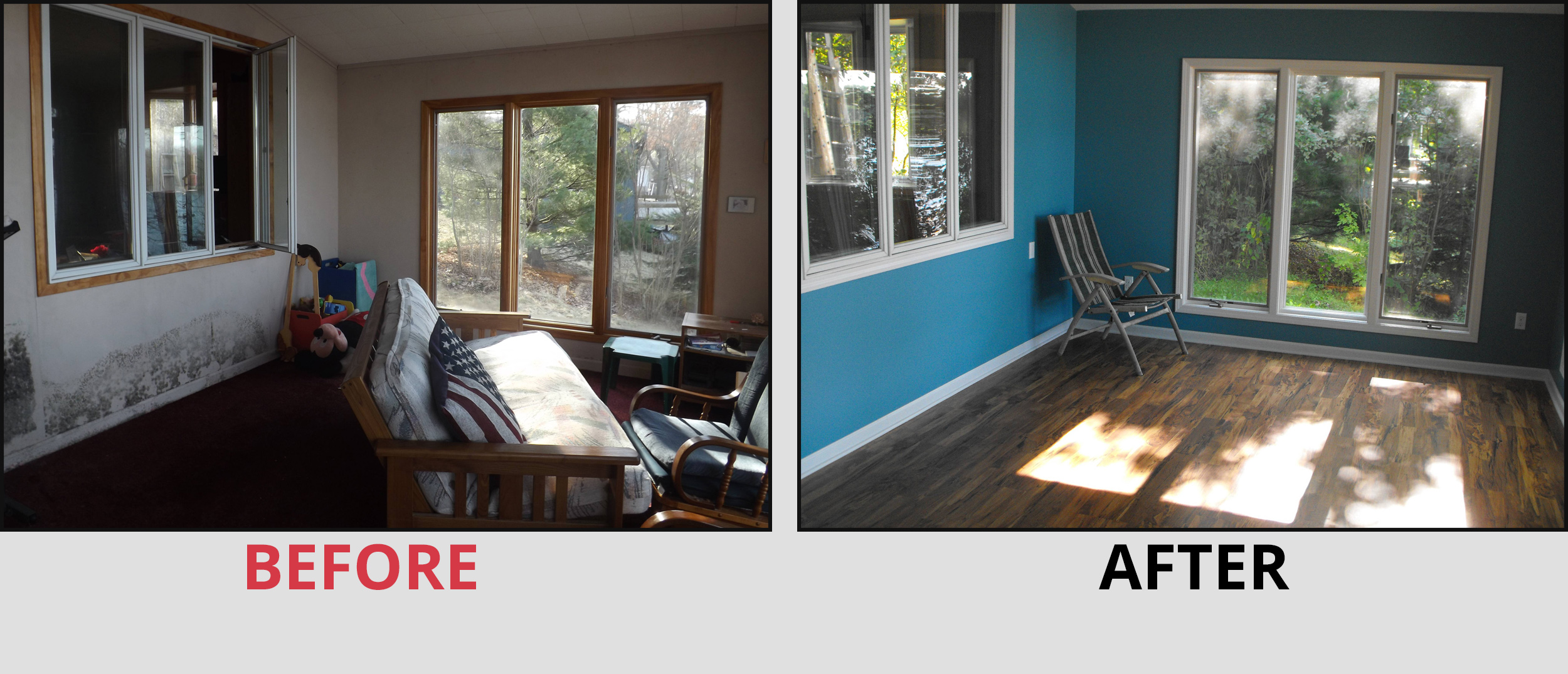
Mold Remediation FAQs: Mold Removal, Costs and Safety
Discovering mold in your home can raise questions about where it came from, how to remove it, and how to prevent it from returning. Damage Control provides mold remediation and restoration services to help homeowners address mold growth, identify moisture problems, and restore affected areas.
These frequently asked questions explain the mold remediation process, factors that affect removal costs, safety precautions, insurance considerations, and steps you can take to help prevent future mold growth.
Frequently Asked Questions About Mold Remediation Services
Mold Removal and Damage Repair
Mold Remediation faqs: What is the mold remediation process?
Mold remediation involves addressing the moisture problem, containing affected areas when necessary, removing mold-contaminated materials that cannot be adequately cleaned, and cleaning affected surfaces. The appropriate process depends on the extent of the mold growth, the materials involved, and the source of the moisture.
Damage Control assesses affected areas, helps identify moisture sources, and uses appropriate containment, cleaning, air filtration, and drying methods as needed. Damaged building materials may require removal and replacement to complete the restoration process.
How much does mold removal cost?
The cost of mold removal depends on several factors, including the size of the affected area, the location of the mold, the extent of moisture damage, and whether building materials need to be removed or replaced. Hidden mold behind walls or under flooring may require additional investigation and work.
Damage Control can assess the affected areas and provide an estimate based on the project's scope. Addressing the moisture source is also important because mold can return if damp conditions persist.
can I remove mold myself?
Whether you can safely clean mold yourself depends on the size of the affected area, the materials involved, and the source of the moisture. Small areas on suitable, nonporous surfaces may be manageable, but extensive growth, recurring moisture, hidden mold, or contamination involving sewage may require professional attention.
Avoid disturbing moldy materials, since doing so can release spores into the air. If it is safe to do so, address the moisture source and keep people away from affected areas. Do not enter areas with significant water damage or electrical hazards. If mold is widespread or you are unsure how to handle it safely, contact a qualified remediation professional.
what causes mold to grow and spread?
Mold grows when moisture is present and suitable materials provide a source of nutrients. Common causes include plumbing leaks, basement flooding, roof leaks, condensation, high humidity, and inadequate ventilation.
Mold can spread when airborne spores settle in areas with suitable moisture and conditions for growth. Disturbing contaminated materials or moving air through affected areas may also spread spores. Correcting the moisture problem is essential to controlling mold and reducing the risk of recurrence.
Can I stay in my home during mold remediation?
Whether you can remain in your home depends on the extent and location of the mold, the work being performed, and any other safety concerns. A small, contained project may not require you to leave, while more extensive contamination or work affecting important living areas may require additional precautions or temporary relocation.
Remediation professionals can explain how affected areas will be isolated, what precautions are appropriate, and whether any parts of the home should be avoided during the work. Anyone with health concerns should consult a healthcare professional about their individual circumstances.
Will painting over the mold remove it?
No. Painting over mold does not correct the underlying moisture problem or remove the mold contamination. Mold can continue to grow beneath the paint, and the coating may peel or deteriorate if the surface remains damp.
The affected surface should be appropriately cleaned or removed, as necessary, and allowed to dry after the moisture source has been corrected. Painting or applying a coating should be considered only after the surface has been properly addressed.
does homeowners insurance cover mold damage?
Homeowners insurance may cover mold-related damage in some circumstances, but coverage depends on the policy, the cause of the moisture, applicable limits, and any exclusions or endorsements. Mold associated with a sudden covered water loss may be treated differently from mold caused by ongoing leaks, neglected maintenance, or long-term moisture problems.
Review your policy and speak with your insurance company about your specific loss. Damage Control can help document affected areas and explain the restoration work involved, but your insurer determines coverage under your policy.
how long does mold remediation take?
The timeline depends on the size of the affected area, the materials involved, the extent of moisture damage, and the amount of cleaning, removal, and drying required. Smaller projects may take less time than projects involving hidden mold, extensive demolition, or structural repairs.
Additional time may be needed to dry the area thoroughly and complete reconstruction. A professional assessment can help establish a more realistic timeline for your specific project.
Mold remediation faqs common question: Can mold come back after remediation?
Yes. Mold can return if moisture remains or develops again. Even after affected materials have been cleaned or removed, an unresolved plumbing leak, roof leak, condensation problem, or high humidity can create conditions for new growth.
Preventing recurrence requires correcting the moisture source, drying affected materials, and maintaining appropriate humidity and ventilation. If mold returns, investigate the underlying moisture problem rather than simply cleaning or painting over the affected area.
how to prevent future mold growth
You can reduce the risk of mold by keeping your home dry and addressing water problems promptly. Helpful steps include:
- Repair plumbing and roof leaks as soon as possible.
- Dry wet materials promptly after a water loss.
- Use bathroom and kitchen exhaust fans when appropriate.
- Maintain indoor humidity at a reasonable level.
- Keep gutters and downspouts functioning properly and direct water away from the foundation.
- Check basements, attics, and other areas prone to moisture.
- Investigate persistent musty odors, water stains, or recurring condensation.
If water has affected drywall, insulation, flooring, or other porous building materials, additional assessment and drying may be needed.
Need Professional Mold Remediation?
If you have discovered mold in your basement, attic, bathroom, or another area of your home, Damage Control can help assess the affected areas, address moisture-related damage, and plan the necessary remediation and restoration work.
Damage Control provides mold remediation and restoration services throughout Southeast Wisconsin, including Waukesha County and Milwaukee County.
Call 414-672-3409 to discuss your mold concerns and next steps.

Damage Control was excellent when we were in crisis! They responded quickly when our basement flooded and took immediate action. We also had them do much of the repair work since we needed new drywall and flooring. It was so convenient to have a one stop shop for this.
Sump Pump Failure: What To Do Next
Water Damage Restoration Services
Mold Restoration Services
Preventing Mold Growth After Water Damage
Emergency Water Removal Brookfield
Water Damage Restoration Brookfield
Water Damage Restoration Menomonee Falls
Water Damage Restoration Muskego
Water Damage Restoration New Berlin
Water Damage Restoration Oconomowoc
Water Damage Restoration Pewaukee
Water Damage Restoration Waukesha
Flooded Basement Cleanup Waukesha
Flooded Basement Guide
Why Basements Flood