
Roof Leak Cleanup & Water Damage Restoration | Damage Control
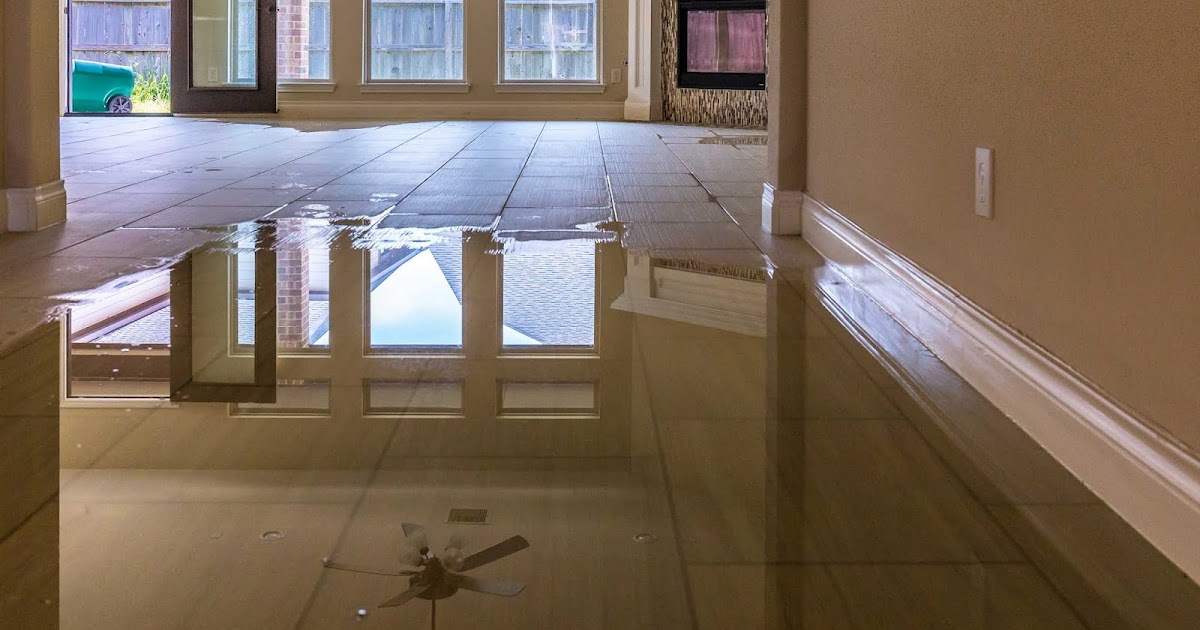
Roof leak damage
Roof Leak damage: A roof leak can begin as a small drip and quickly develop into a significant water damage problem. Water entering through a damaged or compromised roof can travel through shingles, decking, flashing, insulation, ceilings, walls, and other structural materials before becoming visible inside your home.
Even a small roof leak can allow hidden moisture to accumulate in areas that are difficult to see or access. If the source is not identified and the affected materials are properly dried, prolonged moisture can contribute to mold growth, odors, staining, deterioration, and more extensive repairs.
Roof leaks can occur after severe weather, but they can also develop gradually due to aging roofing materials, damaged flashing, poor installation, or ongoing deterioration.
If you discover a roof leak, acting quickly can help minimize water damage, protect your belongings, and reduce the risk of more extensive repairs.
Common Causes of Roof Leaks
Roof leaks can result from weather damage, aging materials, improper installation, or failures around roof penetrations and drainage systems. Understanding the common causes can help homeowners identify potential problems and address them before they lead to significant interior water damage.
Storm and Wind Damage
Severe weather can damage roofing materials and create openings where water can enter.
-
Missing or damaged shingles
-
Lifted or torn roofing materials
-
Hail damage
-
Wind-driven rain
-
Fallen branches or tree damage
Aging or Deteriorating Roofing Materials
Roofing materials naturally wear down over time and can eventually lose their ability to keep water out.
-
Cracked or deteriorated shingles
-
Damaged underlayment
-
Deteriorated roofing membranes
-
Exposed or damaged roof decking
-
General age-related deterioration
Damaged or Improper Flashing
Flashing helps direct water away from areas where the roof meets other structures. Damaged or improperly installed flashing can create common points of water entry.
-
Cracked or deteriorated flashing
-
Loose flashing
-
Improperly installed flashing
-
Damaged flashing around chimneys, walls, or roof edges
Roof Penetrations
Any opening through the roof can become a potential source of leaks if it is not properly sealed.
Common roof penetrations include:
-
Plumbing vents
-
Chimneys
-
Skylights
-
Roof vents
-
Exhaust vents
-
HVAC equipment
-
Antennas and other roof-mounted equipment
Damaged or Deteriorated Pipe Boots and Seals
Roof penetrations often rely on rubber seals, boots, or other components to prevent water from entering around pipes and vents.
-
Cracked pipe boots
-
Deteriorated rubber seals
-
Loose or damaged vent flashing
-
Failed sealant
Clogged or Damaged Gutters and Downspouts
Gutters and downspouts help move rainwater away from the roof and foundation. When they become clogged or damaged, water can back up and contribute to roof or interior water damage.
-
Leaves and debris
-
Ice buildup
-
Damaged gutters
-
Blocked downspouts
-
Improper drainage
Ice Dams
During winter, melting snow can refreeze along roof edges and create ice dams. These ice dams can prevent water from draining properly and may allow water to move beneath roofing materials.
-
Heavy snow accumulation
-
Poor attic insulation
-
Inadequate ventilation
-
Repeated freezing and thawing
Improper Roof Installation or Repairs
Poor installation or previous repairs can create areas where water is able to enter the roofing system.
-
Improperly installed shingles
-
Incorrect flashing
-
Inadequate sealing
-
Improper drainage
-
Poorly completed repairs
Lack of Roof Maintenance
Failing to inspect and maintain your roof can allow minor problems to become larger leaks.
-
Unaddressed damaged shingles
-
Deteriorated flashing
-
Clogged gutters
-
Damaged seals
-
Overhanging tree branches
Regular roof inspections and maintenance can help identify potential problems before they result in interior water damage.
Hidden Roof Leaks
Not every roof leak immediately creates a visible ceiling drip. Water can travel along roof decking, rafters, insulation, and wall cavities before appearing inside the home.
Signs of a hidden roof leak may include:
-
Water stains on ceilings or walls
-
Bubbling or peeling paint
-
Damp insulation
-
Musty odors
-
Discoloration around ceiling fixtures
-
Soft or damaged drywall
-
Moisture appearing after rainfall
If you notice signs of a roof leak, addressing the problem quickly can help limit the spread of moisture and reduce the potential for mold growth and more extensive structural damage.
Step One: Stay safe
Your safety should be the first priority after discovering a roof leak. Water entering through the roof can create electrical hazards, slippery surfaces, damaged ceilings, and other potential safety concerns. Severe weather may also create additional hazards from high winds, lightning, fallen branches, or unstable roofing materials.
Before taking any additional steps:
-
Avoid standing water if it is near electrical outlets, light fixtures, appliances, extension cords, or exposed wiring.
-
Do not touch electrical equipment while standing in water. If it is safe to do so, turn off power to the affected area at the circuit breaker.
-
Stay away from sagging or bulging ceilings. Water accumulation above a ceiling can make drywall or other materials unstable and may cause a ceiling to collapse.
-
Place buckets or containers beneath active drips only if it is safe to do so, and avoid standing directly beneath visibly damaged or sagging areas.
-
Keep children and pets away from affected rooms and areas where water or damaged materials are present.
-
Watch for slippery floors and avoid walking through affected areas unnecessarily.
-
Do not climb onto the roof to inspect or repair the damage, especially during or immediately after severe weather. Wet, damaged, or icy roofing surfaces can be extremely dangerous.
-
Do not attempt to repair roofing materials yourself if the roof is damaged or difficult to safely access. Contact a qualified roofing professional.
-
If severe weather is still occurring, remain indoors and wait until conditions are safe before inspecting the exterior of your property.
Once the area is safe, the next step is to stop or limit additional water intrusion and protect your home from further damage.
Step two: stop water source immediately
Once the area is safe, the next priority is to stop or limit additional water from entering your home. Unlike an appliance leak, a roof leak usually cannot be stopped from inside the home. Attempting to access or repair the roof yourself can create serious fall and safety hazards.
If it is safe to do so:
-
Identify where water is entering the home and contain active drips with buckets or appropriate containers.
-
Move furniture, electronics, and other belongings away from active leaks to help prevent additional damage.
-
Place towels or other absorbent materials around affected areas to help contain small amounts of water, when safe.
-
If water is coming through a ceiling fixture or light, avoid touching the fixture and turn off power to the affected area at the circuit breaker if it is safe to do so.
-
Do not climb onto the roof to inspect, cover, or repair the damaged area, particularly during rain, high winds, lightning, or icy conditions.
-
Contact a qualified roofing professional to inspect the roof and identify the source of the water intrusion.
-
If temporary exterior protection is necessary, have it performed by a qualified professional rather than attempting to access the roof yourself.
Stopping or limiting water intrusion is only the first step. Water that has already entered your home can continue spreading through ceilings, walls, insulation, flooring, and other building materials. Once additional water intrusion has been addressed, the next step is to remove valuable contents and protect your belongings from further damage.
step three: remove valuable content
After the water intrusion has been stopped or limited, begin protecting your belongings from additional water damage. Water from a roof leak can spread through ceilings and walls and may drip or migrate into rooms below, damaging furniture, electronics, documents, and other personal belongings.
Whenever it is safe to do so:
-
Move furniture away from active leaks and damp areas to help prevent additional water damage.
-
Remove electronics and electrical devices from affected areas only if they can be moved safely without contacting water or creating an electrical hazard.
-
Protect important documents, photographs, and valuable records by moving them to a clean, dry location.
-
Relocate clothing, rugs, storage boxes, and other personal belongings that could absorb moisture.
-
Move items away from damaged or sagging ceilings and other areas where water may continue to enter.
-
Separate wet items from dry belongings to help prevent moisture from spreading to unaffected contents.
-
Place smaller items in a clean, dry area where they can be evaluated, dried, and documented.
-
Photograph damaged belongings before moving, cleaning, or disposing of them to help document your insurance claim.
Many water-damaged belongings can be professionally cleaned, dried, deodorized, or restored. Whenever possible, avoid throwing away damaged items unless they create an immediate health or safety hazard. Your restoration company and insurance provider may need an opportunity to evaluate the items first.
Acting quickly to protect your belongings can help reduce additional damage, limit replacement costs, and improve the chances of restoring valuable personal property.
Click here for our Content Cleaning Services
step four: document the damage
Before cleanup and restoration begin, thoroughly document the damage caused by the roof leak. Photos, videos, and detailed records can help support your insurance claim and provide a clear record of the condition of your home and belongings before repairs are made.
Be sure to document:
-
The roof damage, including missing or damaged shingles, visible holes, damaged flashing, fallen branches, or other visible sources of water intrusion, if they can be photographed safely from the ground.
-
The area where water is entering the home, including active drips, water stains, or visible moisture.
-
Ceiling and wall damage, including staining, discoloration, bubbling paint, soft drywall, or other signs of water intrusion.
-
Damaged flooring, baseboards, trim, cabinetry, insulation, and other building materials.
-
Water that has spread into adjacent rooms or areas beyond the initial leak.
-
Sagging or damaged ceilings, but do not approach or disturb areas that may be unsafe.
-
Damaged furniture, electronics, documents, clothing, rugs, and other personal belongings before moving, cleaning, or disposing of them.
-
The overall extent of the damage, including both visible damage and areas where hidden moisture may be suspected.
Also keep copies of:
-
Roof inspection reports and documentation.
-
Roof repair estimates and invoices.
-
Emergency repair or temporary protection receipts.
-
Restoration and cleanup estimates and invoices.
-
Receipts for emergency services and other related expenses.
-
Your insurance claim information and correspondence with your insurance company.
Take photos and videos from multiple angles. Include both close-up images showing specific damage and wider images showing the overall extent of the affected areas. If possible, photograph the roof damage from the ground rather than climbing onto the roof.
Avoid making extensive repairs or disposing of damaged materials and belongings before they have been properly documented and, when appropriate, evaluated by your insurance company or restoration professional.
Thorough documentation can help support the insurance claims process, establish the extent of the loss, and provide your restoration team with valuable information when developing a cleanup, drying, and restoration plan.
Click here for our Insurance Guide
step five: contact insurance company
It Depends on Your Policy
Coverage for roof leak damage depends on the terms, conditions, endorsements, deductibles, and exclusions of your homeowners insurance policy. In many cases, water damage caused by a sudden and accidental covered event, such as certain types of wind or storm damage, may be covered. Damage resulting from long-term leaks, poor maintenance, or normal deterioration may not be.
Potential Coverage May Include:
-
Sudden and accidental roof damage caused by a covered event, such as certain wind or storm-related damage.
-
Water damage to the interior of your home resulting from a covered roof loss.
-
Repairs to damaged building materials, including drywall, ceilings, insulation, flooring, cabinetry, trim, and other structural components.
-
Damage to personal belongings, such as furniture, electronics, clothing, documents, and other household contents.
-
Emergency mitigation services, including water extraction, moisture detection, structural drying, and other necessary measures to help prevent additional damage.
-
Additional living expenses (loss of use) if a covered loss makes your home temporarily uninhabitable.
Potential Exclusions May Include:
-
Long-term or gradual roof leaks that developed over an extended period.
-
Lack of routine roof maintenance or failure to address known roofing problems.
-
Normal wear and tear, aging, deterioration, or corrosion of roofing materials.
-
Poor workmanship or improper installation, depending on the terms of your policy.
-
Damage resulting from an excluded cause of loss, as specified in your policy.
-
The cost of replacing an aging roof or repairing pre-existing deterioration may not be covered simply because a leak occurred.
-
Other limitations, exclusions, or conditions outlined in your specific insurance policy.
If you discover a roof leak, contact your insurance company as soon as possible to report the damage and determine whether you should file a claim. Provide photos and videos of the affected areas, document any visible storm or roof damage from a safe location, and keep copies of roof inspection reports, repair estimates, restoration documentation, receipts, and other records related to the loss.
Coverage varies by policy. Contact your insurance provider to understand your specific coverage, deductible, endorsements, and policy limitations.
Click here to see our Insurance Guide
step six: call a restoration company
After a roof leak, professional restoration should begin as quickly as possible to help prevent additional water damage and reduce the risk of mold growth. Even after the roof has been temporarily protected or the rain has stopped, water that has already entered the home can remain trapped inside ceilings, walls, insulation, flooring, and other building materials.
A professional restoration company can help with:
Emergency Response and Damage Assessment
A restoration team will inspect the affected areas, assess the extent of the water damage, identify areas of hidden moisture, and develop a plan to safely and efficiently restore your home.
Water Extraction
Professional water extraction equipment is used to remove standing water and excess moisture from affected areas, helping minimize damage to flooring, walls, ceilings, and personal belongings.
Moisture Detection and Mapping
Specialized moisture meters and thermal imaging equipment can help identify hidden moisture inside ceilings and walls, beneath flooring, within insulation, and in other concealed areas. Moisture mapping helps determine how far the water has traveled and where drying is needed.
Structural Drying and Dehumidification
Commercial-grade air movers and dehumidifiers are used to thoroughly dry affected building materials. Moisture levels are monitored throughout the drying process to help ensure the structure is properly dried.
Mold Prevention
Prompt water extraction and structural drying help reduce the risk of mold growth and additional damage caused by lingering moisture.
Contents Cleaning and Restoration
Furniture, electronics, documents, clothing, rugs, and other personal belongings may be evaluated for professional cleaning, drying, deodorization, and restoration whenever possible.
Cleaning and Sanitization
When appropriate, affected surfaces and contents can be professionally cleaned and sanitized to help remove dirt, residues, and odors associated with the water loss.
Repairs and Reconstruction
Once mitigation and drying are complete, damaged drywall, flooring, insulation, cabinetry, trim, ceilings, and other structural components can be repaired or replaced to restore your home.
Remodeling Services
If the roof leak requires more extensive repairs or renovations, Damage Control can also provide remodeling and reconstruction services to complete the project and return your home to its pre-loss condition.
Calling a professional restoration company quickly after a roof leak can help identify hidden moisture, minimize additional damage, reduce restoration costs, and improve the chances of restoring your home and belongings.
How quickly can water damage Happen from A roof Leak?
Roof leaks can cause water damage surprisingly quickly. A large opening caused by a storm or roof failure can allow significant amounts of water into your home in a short period of time, while a small roof leak may remain unnoticed for days or weeks. Water can travel through ceilings, walls, insulation, and other building materials before the damage becomes visible.
Within Minutes
Water can begin entering the home as soon as the roof is compromised.
-
Water may drip through ceilings or around roof penetrations.
-
Flooring and nearby belongings can become wet.
-
Ceilings and drywall may begin absorbing moisture.
-
Water can spread along ceiling surfaces and into nearby areas.
-
Heavy rainfall can quickly increase the amount of water entering the home.
Within Hours
Moisture can continue spreading through affected building materials.
-
Drywall and ceilings begin absorbing water.
-
Insulation can become saturated.
-
Water may migrate into wall cavities.
-
Flooring, trim, and cabinetry can become affected.
-
Water stains or discoloration may become more noticeable.
-
Damp or musty odors may begin developing.
Within 24–48 Hours
The risk of secondary damage increases as materials remain wet.
-
Mold growth may begin developing in damp areas.
-
Drywall and other porous materials can begin deteriorating.
-
Wood flooring, trim, and cabinetry may swell or warp.
-
Moisture can remain trapped inside walls, ceilings, or insulation.
-
Water damage may extend beyond the area where the leak was first noticed.
Within Several Days
Prolonged moisture can result in more extensive damage.
-
Structural materials may continue deteriorating.
-
Mold growth and odors can become more difficult to address.
-
Damaged drywall, insulation, flooring, or other materials may require removal.
-
Hidden moisture can continue affecting the structure.
-
More extensive demolition, repairs, and reconstruction may be necessary.
Small Roof Leaks Can Be Especially Difficult to Detect
Not every roof leak creates an obvious ceiling drip. Water can travel along roof decking, rafters, insulation, and wall cavities before appearing inside your home. A small leak that only occurs during rainfall may go unnoticed while gradually causing damage to ceilings, walls, insulation, and other materials.
The sooner the source of the water intrusion is addressed and the affected areas are professionally inspected and dried, the better the opportunity to minimize damage, prevent additional problems, and reduce restoration costs.
signs you need professional restoration
Even after a roof leak has been stopped or the roof has been temporarily protected, hidden moisture can remain inside your home. Water can travel through ceilings, walls, insulation, flooring, and other building materials before the full extent of the damage becomes visible.
You may need professional restoration services if you notice:
-
Standing water that remains after the roof leak has been addressed.
-
Wet or soft drywall, bubbling paint, or water-stained ceilings and walls.
-
Sagging or bulging ceilings, which may indicate water accumulation above the ceiling.
-
Warped, buckled, or swollen flooring caused by moisture absorption.
-
Water trapped beneath flooring or inside other building materials.
-
Musty or damp odors that may indicate hidden moisture or developing mold.
-
Visible mold growth on ceilings, walls, flooring, insulation, or other surfaces.
-
Water-damaged trim, baseboards, cabinetry, or other building materials showing signs of swelling, warping, or deterioration.
-
Saturated insulation inside walls, above ceilings, or in attic areas.
-
Water damage in adjacent rooms or areas beyond where the leak was initially discovered.
-
Ceiling or wall damage that continues to worsen even after the roof leak has been addressed.
-
Evidence of repeated leaking, such as multiple layers of water stains or recurring damp areas after rainfall.
Professional restoration companies use specialized moisture detection equipment, moisture mapping, commercial-grade drying systems, and proven restoration techniques to identify hidden moisture, thoroughly dry affected materials, help prevent mold growth, and restore your home to its pre-loss condition.
The sooner professional restoration begins, the greater the opportunity to minimize damage, reduce restoration costs, protect your belongings, and preserve your home's structural integrity.
Can insurance cover roof leak damage?
It Depends on Your Policy
Coverage for roof leak damage depends on the terms, conditions, endorsements, deductibles, and exclusions of your homeowners insurance policy. In many cases, damage caused by a sudden and accidental covered event, such as certain types of wind or storm damage, may be covered. However, damage resulting from long-term leaks, lack of maintenance, normal wear and tear, or deterioration may not be covered.
Potential Coverage May Include:
-
Sudden and accidental roof damage caused by a covered event, such as certain wind, hail, or storm-related damage.
-
Resulting water damage to the interior of your home, including damage caused by water entering through a covered roof loss.
-
Repairs to damaged structural materials, including ceilings, drywall, insulation, flooring, cabinetry, baseboards, trim, and other building components.
-
Damage to personal property, such as furniture, electronics, clothing, documents, rugs, and other household belongings.
-
Emergency mitigation services, including water extraction, moisture detection, moisture mapping, structural drying, and mold prevention to help minimize additional damage.
-
Additional living expenses (loss of use) if a covered loss makes your home temporarily uninhabitable.
Potential Exclusions May Include:
-
Long-term or gradual roof leaks that developed over an extended period.
-
Failure to properly maintain the roof or address known roofing problems.
-
Normal wear and tear, aging, deterioration, corrosion, or damage from lack of maintenance.
-
Poor workmanship or improper installation, depending on the terms of the policy.
-
Pre-existing damage or conditions, depending on the circumstances and policy language.
-
The cost of replacing an aging or deteriorated roof, which may not be covered simply because the roof has developed a leak.
-
Other limitations, exclusions, or conditions outlined in your specific insurance policy.
If you discover a roof leak, contact your insurance company as soon as possible to report the damage and determine whether you should file a claim. Document the affected areas with photos and videos, photograph visible roof damage from a safe location, and keep copies of roof inspection reports, repair estimates, restoration documentation, receipts, and other records related to the loss.
Coverage varies by policy. Contact your insurance provider to understand your specific coverage, deductible, endorsements, and policy limitations.
our Roof Leak Damage cleanup process
A roof leak can cause significant water damage in a short amount of time. Water can spread beyond the immediate point of entry, traveling through ceilings, walls, insulation, flooring, and other building materials. Slow roof leaks can also remain hidden and cause damage over time.
Our comprehensive restoration process is designed to remove water, identify hidden moisture, thoroughly dry affected areas, help prevent mold growth, and restore your home to its pre-loss condition.
Emergency Response and Inspection
Our team responds quickly to assess the water damage, identify affected areas, document the loss, locate potential sources of moisture, and develop a customized restoration plan.
Water Extraction
Using professional extraction equipment, we remove standing water and excess moisture to help minimize damage to flooring, ceilings, walls, insulation, cabinetry, structural materials, and personal belongings.
Moisture Mapping and Detection
Specialized moisture meters and thermal imaging technology help locate hidden moisture inside ceilings and walls, beneath flooring, within insulation, and in other concealed areas that may not be visible. Moisture mapping helps determine how far the water has traveled and where drying is needed.
Structural Drying and Dehumidification
Commercial-grade air movers and dehumidifiers are used to thoroughly dry affected building materials. Moisture levels are monitored throughout the drying process to help ensure the affected areas are properly dried.
Mold Prevention and Sanitization
Prompt water removal, drying, and appropriate cleaning help reduce the risk of mold growth and address residues or contaminants that may result from prolonged moisture exposure.
Contents Cleaning and Restoration
Furniture, electronics, documents, clothing, rugs, and other personal belongings are evaluated for professional cleaning, drying, deodorization, and restoration whenever possible.
Repairs and Reconstruction
Once mitigation and drying are complete, we repair or replace damaged drywall, flooring, ceilings, insulation, cabinetry, baseboards, trim, and other structural components to restore your home.
Remodeling Services
As licensed general contractors and property restoration specialists, Damage Control can complete remodeling and renovation projects following roof and water damage. Whether you need to restore a single room or renovate a larger area affected by a roof leak, our experienced team can manage the project from mitigation through final reconstruction.
Roof repairs and temporary roof protection may require a qualified roofing professional. Damage Control can address the resulting interior water damage and provide the mitigation, drying, repairs, reconstruction, and remodeling services needed to restore your home.
From the initial emergency response through the final repairs, Damage Control provides complete roof leak cleanup, water damage restoration, and reconstruction services throughout Southeast Wisconsin.
How to prevent future roof leaks:
While not every roof leak can be prevented, regular roof inspections, proper maintenance, and prompt attention to damage can help identify potential problems before they lead to significant water intrusion and interior damage.
Homeowners can help reduce the risk of roof leaks by:
-
Inspecting the roof regularly for missing, cracked, curled, or damaged shingles and other visible signs of deterioration.
-
Checking flashing around roof penetrations, including chimneys, skylights, vents, plumbing pipes, and other areas where the roof meets another structure.
-
Inspecting pipe boots and roof seals for cracking, deterioration, or other signs that water may be able to enter.
-
Keeping gutters and downspouts clear of leaves, branches, and other debris so rainwater can drain properly.
-
Checking gutters and downspouts for damage and making sure water is directed away from the home's foundation.
-
Removing leaves, branches, and other debris from the roof when it can be done safely or by a qualified professional.
-
Trimming overhanging tree branches that could fall onto the roof or damage roofing materials during storms.
-
Inspecting the roof after severe weather for signs of wind, hail, falling branches, or other storm damage. Have a qualified professional perform the inspection if the roof cannot be safely accessed.
-
Addressing minor roof damage promptly. Missing shingles, damaged flashing, or deteriorated seals can allow water to enter and become more significant problems over time.
-
Maintaining proper attic ventilation and insulation to help reduce excessive moisture and condensation and, during winter, help reduce conditions that contribute to ice dams.
-
Watching for interior warning signs, including ceiling stains, bubbling paint, musty odors, damp insulation, or recurring moisture after rainfall.
-
Scheduling professional roof inspections when appropriate, particularly for older roofs or after significant storms.
-
Replacing aging roofing materials when necessary rather than waiting for a major failure to occur.
Regular inspections, proper maintenance, and early detection can help extend the life of your roof, reduce the risk of unexpected leaks, and protect your home from costly water damage.
If your home has experienced a roof leak, don't wait for water damage to spread or hidden moisture to create additional problems. Whether caused by storm damage, missing or damaged shingles, deteriorated flashing, ice dams, or another roofing problem, water can quickly enter your home and spread through ceilings, walls, insulation, flooring, and other structural materials. Even a small roof leak can increase the risk of mold growth, structural damage, and more extensive repairs if it is not addressed quickly. Damage Control provides 24/7 emergency roof leak cleanup, water extraction, moisture detection, moisture mapping, structural drying, mold prevention, contents cleaning, and reconstruction services throughout Southeast Wisconsin. Our experienced team responds quickly to identify affected areas, locate hidden moisture, minimize damage, reduce restoration costs, and restore your home to its pre-loss condition. Contact Damage Control today for fast, reliable roof leak cleanup and water damage restoration services.

Fast and complete response from Damage Control! Last January our basement flooded on a Friday night. Our sump pump discharge froze pipe froze, resulting in tripping the sump pump GFCI, and frying our back up battery sump pump. The team from Damage Control responded promptly and worked until all water was removed from our basement and helped drying out our belongings.
Water Damage Restoration Services
Mold Restoration Services
Preventing Mold Growth
Emergency Water Removal Brookfield
Water Damage Restoration Brookfield
Water Damage Restoration Menomonee Falls
Water Damage Restoration Muskego
Water Damage Restoration New Berlin
Water Damage Restoration Oconomowoc
Water Damage Restoration Pewaukee
Water Damage Restoration Waukesha
Flooded Basement Cleanup Waukesha
Flooded Basement Guide
Why Basements Flood