
Basement Flood After Heavy Rain: What To Do Next
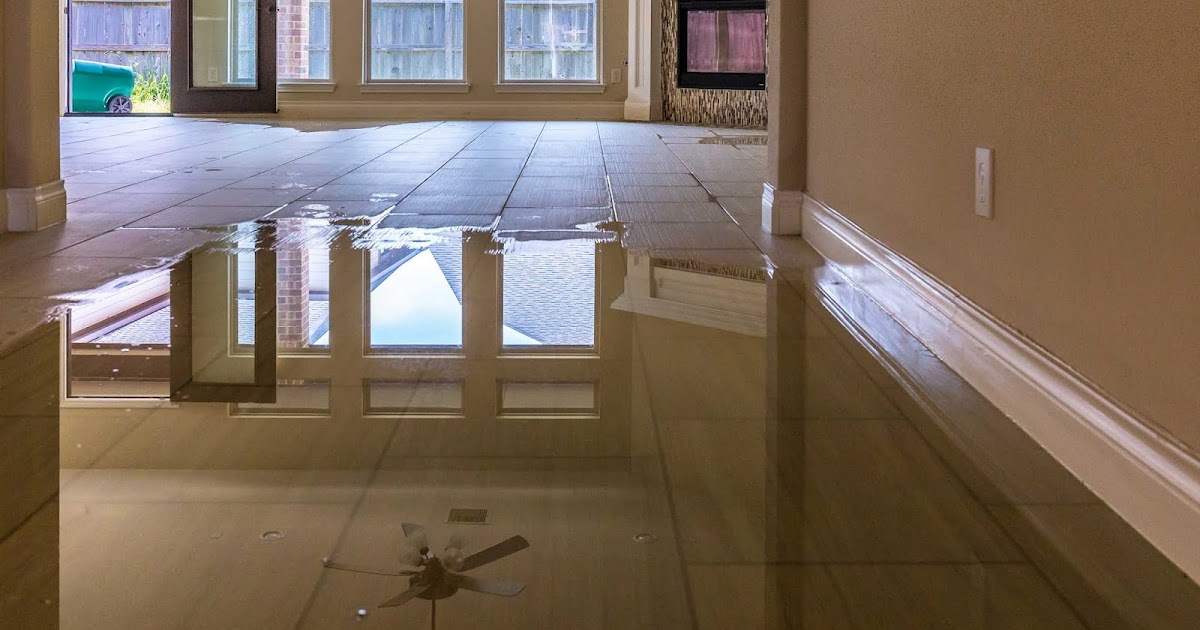
Basement Flood after heavy rain
Heavy rainfall can quickly overwhelm drainage systems and increase groundwater levels around your home's foundation, allowing water to enter the basement through multiple pathways. Even a small amount of water intrusion can cause significant damage to flooring, drywall, furniture, personal belongings, and other building materials if not addressed promptly.
Knowing why basement flooding occurs, what steps to take immediately, and when to seek professional help can make a significant difference in minimizing damage and reducing restoration costs. Acting quickly can also help prevent mold growth, structural damage, and long-term moisture problems.
Common Causes of Basement Flooding After Heavy Rain
Basement flooding during storms can occur for a variety of reasons, including:
Overwhelmed Sump Pump Systems
- Excessive groundwater during heavy rainfall
- Sump pump malfunctions or mechanical failures
- Power outages during severe storms
- Systems that cannot keep up with water volume
Foundation Cracks and Water Intrusion
- Foundation wall cracks
- Floor slab cracks
- Settlement and shifting foundations
- Gaps around utility penetrations
Hydrostatic Pressure
- Groundwater buildup around the foundation
- Water pressure forcing moisture through concrete walls and floors
- Persistent seepage into basement areas
Poor Exterior Drainage
- Improper grading around the home
- Clogged gutters and downspouts
- Downspouts that discharge too close to the foundation
- Poorly maintained drainage systems
Window Well Leaks
- Clogged window well drains
- Damaged window seals
- Overflowing window wells during heavy rain
Sewer Backups
- Municipal sewer systems overwhelmed by excessive rainfall
- Backflow through basement drains
- Contaminated water entering the home
Understanding what caused the flooding is an important first step in preventing future water intrusion and protecting your home from additional damage.
Step One: Stay safe
Your safety should be the top priority after discovering a flooded basement. Standing water can create electrical hazards and may conceal slippery surfaces, debris, or other dangerous conditions.
- Avoid entering areas with standing water near electrical outlets, appliances, or wiring.
- If it is safe to do so, turn off power to the affected area at the breaker panel.
- Never touch electrical equipment while standing in water.
- Keep children and pets away from flooded areas until the water has been removed and the area is safe.
- If you suspect an electrical hazard or are unsure whether it is safe to enter the basement, contact a qualified professional before proceeding.
Taking a few moments to assess the situation safely can help prevent injuries while you begin addressing the flood damage.
Step two: stop additional water intrusion
Once it is safe to do so, take steps to help prevent additional water from entering your basement. Identifying where the water is coming from can help limit further damage while you arrange for cleanup and restoration services.
- Check gutters and downspouts for clogs, debris, or overflow that may be directing water toward the foundation.
- Inspect window wells for standing water, clogged drains, or signs of leakage.
- Verify that your sump pump is operating properly and removing water from the sump pit.
- Remove leaves, branches, and debris from exterior drainage areas if it is safe to do so.
- Monitor foundation walls, floor cracks, windows, and other areas where water may be entering the basement.
- Move water away from the foundation whenever possible by ensuring downspouts discharge a safe distance from the home.
Taking quick action to reduce ongoing water intrusion can help minimize water damage, protect building materials, and reduce the risk of mold growth following heavy rainfall.
step three: remove valuable content
If it is safe to enter the affected area, move valuable belongings away from standing water and damp surfaces as soon as possible. Water damage can spread quickly, and the sooner contents are removed, the better the chances of preventing permanent damage.
- Relocate furniture, electronics, and appliances to a dry area.
- Remove important documents, photographs, and sentimental items from affected spaces.
- Move storage boxes, seasonal decorations, and household belongings away from wet flooring.
- Separate wet items from dry items to help prevent moisture from spreading.
- Place aluminum foil, wood blocks, or protective barriers under furniture legs if items cannot be moved immediately.
- Take photos of damaged belongings for insurance documentation before disposing of any items.
Quickly removing and protecting contents can help reduce damage, preserve valuable belongings, and improve the chances of successful content cleaning and restoration.
Click here for our Content Cleaning Services
step four: document the damage
Before cleanup and restoration begin, document the damage as thoroughly as possible. Proper documentation can help support your insurance claim and provide a clear record of the flooding event and its impact on your property.
- Take photos of standing water, affected rooms, and damaged building materials.
- Record videos showing the extent of the flooding and areas impacted by water intrusion.
- Photograph damaged furniture, electronics, appliances, and personal belongings.
- Document water entry points such as foundation cracks, window wells, basement walls, floor cracks, or other areas where water entered the home.
- Create a list of damaged contents and note any visible damage.
- Save receipts for emergency repairs, cleanup efforts, or temporary protective measures.
Thorough documentation can help streamline the insurance claims process and ensure that both structural damage and damaged personal belongings are properly evaluated during restoration and insurance inspections.
Click here for our Insurance Guide
step five: contact insurance company
After documenting the damage, contact your insurance company as soon as possible to report the loss and begin the claims process. Basement flooding after heavy rain may be covered under certain circumstances, but coverage depends on the specific terms of your policy and any endorsements you have in place.
Potential Coverage May Include:
- Storm-related water damage (depending on policy terms)
- Water backup coverage for sump pump or drain overflow
- Sewer backup endorsements for municipal system overflow
- Structural repairs and building material restoration
- Damaged personal belongings and contents
Potential Exclusions May Include:
- Flood exclusions (groundwater or surface water entering the home)
- Long-term maintenance issues or preventable conditions
- Gradual water intrusion or unresolved leaks
- Lack of required endorsements for water backup coverage
Be prepared to provide your insurer with photos, videos, and a detailed description of the damage. Keep records of all communications and ask questions about what is covered under your specific policy, including deductibles and coverage limits.
Coverage varies by policy.
Click here to see our Insurance Guide
step six: call a restoration company
Once emergency steps have been taken, contacting a professional restoration company is one of the most important actions you can take. Even when standing water is removed, moisture can remain hidden within building materials and continue causing damage long after the initial flooding.
Professional restoration teams use specialized equipment and training to fully address water damage and help prevent long-term issues such as mold growth and structural deterioration.
- Water Extraction: Removal of standing water using high-powered extraction equipment to help minimize immediate damage.
- Moisture Mapping: Identification of hidden moisture using advanced moisture meters and thermal imaging technology to locate water behind walls, under flooring, and within structural materials.
- Structural Drying: Strategic placement of air movers and dehumidifiers to thoroughly dry affected areas and stabilize building materials.
- Mold Prevention: Application of drying protocols and antimicrobial treatments as needed to help reduce the risk of mold growth after water intrusion.
The sooner professional mitigation begins, the better the chances of reducing repair costs, preserving building materials, and preventing secondary damage after a basement flood.
How quickly can water damage occur?
Water damage can begin almost immediately after a basement flood or heavy rain intrusion. The longer moisture remains in place, the more extensive and costly the damage can become.
Within Hours
- Carpets, padding, and flooring materials begin to absorb water
- Drywall, wood, and baseboards start to swell or warp
- Water spreads into adjacent rooms and hidden areas
- Furniture and stored contents may begin to sustain damage
Within 24–48 Hours
- Mold and mildew growth may begin developing
- Musty odors start to form
- Moisture becomes trapped behind walls, under flooring, and in insulation
- Building materials become more difficult to restore
Within Several Days
- Structural materials may weaken or deteriorate
- Extensive mold growth can spread throughout affected areas
- Drywall, insulation, and flooring may require removal and replacement
- Restoration costs typically increase significantly
Prompt water extraction and structural drying are critical to minimizing damage and helping prevent long-term moisture and mold issues.
signs professional drying is needed
Even after visible water is removed, moisture can remain trapped inside building materials and continue causing damage. Professional drying equipment and moisture detection tools are often needed to fully dry affected areas and prevent long-term issues like mold growth.
Common signs you may need professional water extraction and structural drying include:
- Standing water in any part of the basement or home
- Wet or water-damaged drywall
- Damp insulation inside walls or ceilings
- Water trapped beneath flooring materials
- Musty or persistent odors
- Visible mold or mildew growth
- Water stains or discoloration on walls, ceilings, or floors
- Warped or swelling materials such as flooring, trim, or baseboards
- High indoor humidity or ongoing damp conditions
If you notice any of these conditions after a basement flood or water intrusion event, prompt professional drying can help reduce damage, prevent mold growth, and restore safe indoor conditions more quickly.
why basements flood during heavy rain
Heavy storms can overwhelm a home’s natural drainage and waterproofing systems, allowing water to enter basements through multiple pathways. In many cases, basement flooding is the result of a combination of groundwater pressure, soil saturation, and exterior drainage issues.
Hydrostatic Pressure
- Groundwater builds up around the foundation during prolonged or heavy rainfall
- Water pressure forces moisture through cracks and porous concrete walls and floors
- This pressure can push water into basements even without visible structural damage
Saturated Soil
- Continuous rain saturates the soil surrounding the home
- As the ground becomes fully saturated, excess groundwater rises toward the foundation
- This increases the likelihood of seepage into basement spaces
Drainage Problems
- Poor grading allows water to flow toward the home instead of away from it
- Clogged or undersized gutters and downspouts contribute to water pooling near the foundation
- Inadequate exterior drainage systems increase the risk of water intrusion during storms
Aging or Vulnerable Foundations
- Older foundations may develop cracks or weakened areas over time
- Small openings around pipes, joints, or foundation walls can become entry points for water
- Natural settling of the home can create new pathways for water intrusion
Understanding these causes can help homeowners better recognize early warning signs and take steps to reduce the risk of future basement flooding.
how to prevent future basement flooding
While not all basement flooding can be completely prevented, taking proactive maintenance and improvement steps can significantly reduce the risk of water intrusion during heavy rain and storm events.
- Test your sump pump regularly to ensure it is operating properly before storm season.
- Install a battery backup system to keep your sump pump running during power outages.
- Extend downspouts at least several feet away from the foundation to direct water away from the home.
- Clean gutters and downspouts regularly to prevent overflow and water buildup near the roofline.
- Seal visible foundation cracks to help reduce water seepage into basement walls and floors.
- Improve grading around the home so that soil slopes away from the foundation.
- Install window well covers and ensure window wells have proper drainage systems.
- Consider professional waterproofing solutions for chronic or recurring basement moisture issues.
Routine maintenance and early improvements can help reduce the likelihood of basement flooding and minimize the severity of water damage when heavy storms occur.
our basement flood cleanup process
At Damage Control, we follow a proven step-by-step restoration process designed to quickly address basement flooding, minimize damage, and restore your property to a safe and stable condition.
1. Emergency Response and Inspection
Our team responds quickly to assess the extent of the basement flood, identify the source of water intrusion, and develop a customized mitigation plan.
2. Water Extraction
Standing water is removed using professional-grade extraction equipment to help reduce further damage to flooring, drywall, and personal belongings.
3. Moisture Mapping and Detection
We use advanced moisture meters and thermal imaging technology to locate hidden water behind walls, under flooring, and within structural materials.
4. Structural Drying and Dehumidification
Industrial air movers and dehumidifiers are strategically placed to thoroughly dry affected areas and stabilize building materials.
5. Mold Prevention and Sanitization
Affected surfaces are cleaned and treated as needed to help reduce the risk of mold growth and maintain a healthy indoor environment.
6. Contents Cleaning and Restoration
Salvageable personal belongings, furniture, and household contents are cleaned, dried, and deodorized whenever possible.
7. Repairs and Reconstruction
Once mitigation is complete, our team repairs or replaces damaged drywall, flooring, trim, and other building materials to restore your home.
8. Remodeling and Improvements
For homeowners looking to upgrade their space, we also provide remodeling services for basements, kitchens, bathrooms, and other areas affected by water damage.
Our goal is to restore your home efficiently, reduce overall repair costs, and help you return to normal as quickly as possible after a basement flood.
If your basement flooded after heavy rain, don't wait for moisture and mold problems to get worse. Damage Control provides 24/7 emergency water extraction, structural drying, mold prevention, and reconstruction services throughout Southeast Wisconsin. Contact our team today for fast, professional assistance.

Fast and complete response from Damage Control! Last January our basement flooded on a Friday night. Our sump pump discharge froze pipe froze, resulting in tripping the sump pump GFCI, and frying our back up battery sump pump. The team from Damage Control responded promptly and worked until all water was removed from our basement and helped drying out our belongings.
Water Damage Restoration Services
Mold Restoration Services
Preventing Mold Growth
Emergency Water Removal Brookfield
Water Damage Restoration Brookfield
Water Damage Restoration Menomonee Falls
Water Damage Restoration Muskego
Water Damage Restoration New Berlin
Water Damage Restoration Oconomowoc
Water Damage Restoration Pewaukee
Water Damage Restoration Waukesha
Flooded Basement Cleanup Waukesha
Flooded Basement Guide
Why Basements Flood