
Frozen Pipe Damage: What To Do Next
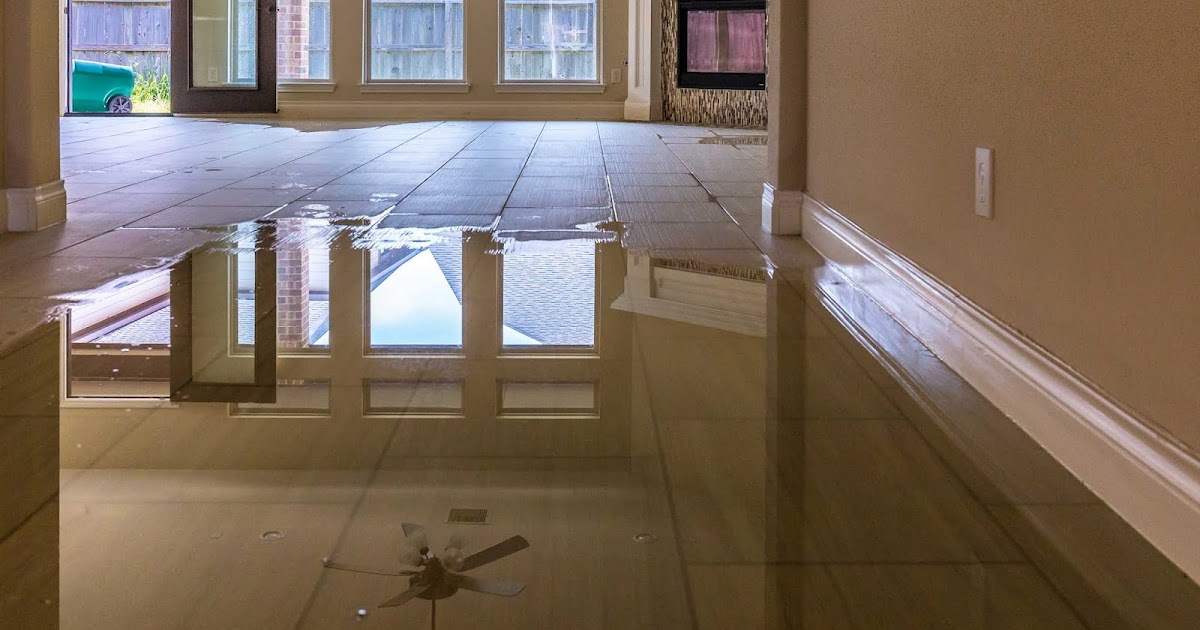
Frozen Pipe Damage
Frozen pipes are a common cause of winter water damage and can quickly lead to significant flooding when temperatures rise or the pipe breaks. When water inside a pipe freezes, it expands and creates pressure that can cause pipes to crack, split, or burst. Once the pipe fails, water can spread quickly throughout your home, damaging walls, ceilings, flooring, insulation, furniture, and personal belongings.
Frozen pipe damage can occur in areas that are not properly insulated, including basements, crawl spaces, attics, garages, and exterior walls. Even a small pipe break can release a large amount of water and create hidden moisture behind walls and beneath flooring.
Acting quickly after a frozen pipe failure is critical. Shutting off the water source, documenting the damage, and beginning professional water extraction and structural drying as soon as possible can help minimize damage, reduce restoration costs, and lower the risk of mold growth.
Common Causes of Frozen Pipes
Frozen pipes occur when temperatures drop below freezing and water inside plumbing lines begins to freeze and expand. As pressure builds inside the pipe, it can cause cracks, splits, or complete pipe failure. When the pipe thaws or breaks, water can quickly spread throughout your home and cause extensive damage to walls, flooring, insulation, furniture, and personal belongings.
Common causes of frozen pipes include:
Freezing Temperatures
Extended periods of freezing weather can cause exposed or poorly protected pipes to freeze, especially in basements, crawl spaces, garages, attics, and exterior walls.
Poor Insulation
Pipes without proper insulation are more vulnerable to cold temperatures. Uninsulated plumbing in areas with limited heat can freeze during severe winter conditions.
Unheated Areas
Basements, crawl spaces, garages, and vacant properties often have colder temperatures, increasing the risk of frozen plumbing.
Exterior Wall Plumbing
Pipes located near exterior walls have less protection from indoor heat and may freeze when temperatures drop.
Power Outages or Heating System Failures
Loss of heat during winter storms can allow indoor temperatures to fall quickly, increasing the chance of frozen pipes.
Restricted Airflow Around Plumbing
Pipes under sinks, inside cabinets, or in enclosed areas may freeze when warm air cannot properly circulate around them.
Vacant Homes During Cold Weather
Homes left unattended during winter months may experience frozen pipes if the heat is reduced, shut off, or fails unexpectedly.
Sudden Temperature Changes
Rapid drops in temperature can cause plumbing systems to freeze before homeowners have time to take preventive measures.
Understanding the common causes of frozen pipes can help homeowners take preventative steps and reduce the risk of costly water damage during the winter months.
Step One: Stay safe
Your safety should always be the first priority after discovering frozen pipe damage. A frozen pipe that has cracked or burst can release a significant amount of water and create additional hazards throughout your home.
Before beginning cleanup, take the following precautions:
-
Avoid electrical hazards: Do not enter standing water if it may be near electrical outlets, appliances, exposed wiring, or your electrical panel. If it is safe to do so, turn off power to the affected area before entering.
-
Avoid standing water: Flooded areas may contain hidden hazards, slippery surfaces, or damaged materials. Wear appropriate protective equipment if you need to enter the area and only do so if it is safe.
-
Shut off the water supply: If possible, locate and turn off your home's main water valve to stop additional water from entering the property.
-
Keep children and pets away: Prevent family members and pets from entering affected areas until the water has been removed and the space has been properly cleaned and dried.
-
Avoid unsafe pipe repairs: Do not attempt to thaw frozen pipes using open flames or unsafe heating methods. A damaged pipe should be repaired by a qualified professional.
Once the immediate hazards have been addressed, the next step is to stop additional water intrusion and begin protecting your home from further damage.
Step two: stop water source immediately
After ensuring your safety, the next priority is to stop additional water from entering your home. A frozen pipe that has cracked or burst can continue releasing water until the plumbing system is shut down, causing additional damage to walls, flooring, insulation, furniture, and personal belongings.
Take the following steps if they can be completed safely:
-
Shut off your home's main water supply: Locate the main water shutoff valve and turn it off to stop water flow throughout the plumbing system.
-
Open faucets to relieve pressure: Open nearby faucets to help drain remaining water from the pipes and reduce pressure within the plumbing system.
-
Locate the damaged pipe area: Look for visible signs of damage such as leaking water, frost buildup, cracks, bulging walls, or water stains. Remember that some pipe damage may be hidden behind walls or ceilings.
-
Turn off individual fixture valves when possible: If the frozen pipe is connected to a specific appliance or fixture, shutting off the supply valve may help limit additional water loss.
-
Avoid unsafe thawing methods: Do not use open flames, torches, or unsafe heating devices to thaw frozen pipes. Improper thawing methods can create additional hazards and worsen pipe damage.
Stopping the water source quickly can help minimize the amount of water entering your home and reduce the severity of the resulting damage. After the water has been controlled, the next step is protecting your belongings and documenting the damage before cleanup and restoration begin.
step three: remove valuable content
After the water source has been stopped and it is safe to enter the affected area, begin protecting your personal belongings from additional damage. Frozen pipe failures can release a significant amount of water, allowing moisture to spread quickly through flooring, walls, furniture, and stored belongings.
Whenever possible:
-
Move furniture, electronics, clothing, rugs, and other personal belongings to a clean, dry area away from the affected space.
-
Remove important documents, photographs, family heirlooms, and sentimental items that may be damaged by moisture.
-
Separate wet items from dry belongings to help prevent moisture from spreading.
-
Elevate items off wet flooring by moving them to higher surfaces or placing protective barriers underneath furniture when possible.
-
Take photos and videos of damaged belongings before moving or disposing of items for insurance documentation.
-
Create an inventory of affected contents, including item descriptions, approximate age, brand information, and estimated value when possible.
Avoid throwing away damaged belongings immediately unless they create a health or safety hazard. Many water-damaged items can be professionally cleaned, dried, deodorized, and restored using specialized contents restoration techniques.
If the frozen pipe damage involves contaminated water, avoid handling affected belongings until proper safety precautions and professional guidance can be provided.
Protecting your belongings quickly can help reduce replacement costs, support the insurance claims process, and improve the chances of restoring valuable personal possessions.
Click here for our Content Cleaning Services
step four: document the damage
Before cleanup and restoration begin, take time to document the damage caused by the frozen pipe failure. Photos, videos, and detailed records can help provide important information for your insurance claim, restoration planning, and evaluation of the full extent of the damage.
When documenting frozen pipe damage, be sure to capture:
-
The source of the water damage: Take photos of the frozen or burst pipe, visible cracks or splits, frost buildup, damaged plumbing connections, and the area where the failure occurred.
-
Affected areas throughout your home: Document standing water, wet flooring, damaged drywall, ceiling stains, swollen baseboards, damaged insulation, and any areas where water has spread.
-
Damaged personal belongings: Photograph furniture, electronics, clothing, storage items, documents, and other affected contents before moving or disposing of them.
-
Water migration: Record areas where water has traveled, including adjacent rooms, walls, ceilings, basements, crawl spaces, or other hidden areas.
In addition to photos and videos, create a written record of:
-
When the damage was discovered
-
What caused the pipe failure, if known
-
Steps taken to stop additional water damage
-
Emergency repairs completed
-
Damaged belongings and estimated values
Save receipts for emergency plumbing repairs, restoration services, temporary accommodations, and other expenses related to the loss.
Unless damaged items create a health or safety concern, avoid throwing away belongings or removing materials before they have been documented. Many water-damaged items and building materials may be evaluated for potential restoration.
Thorough documentation can help streamline the insurance process and ensure your restoration team has the information needed to properly restore your home.
Click here for our Insurance Guide
step five: contact insurance company
After documenting the damage, contact your insurance company as soon as possible to report the frozen pipe loss and begin the claims process. Prompt communication can help you understand your coverage, required documentation, and next steps for restoring your home.
When contacting your insurance provider, be prepared to provide:
-
The date and time the damage occurred or was discovered
-
The suspected cause of the frozen pipe failure
-
Photos and videos of the damaged pipe and affected areas
-
A list of damaged personal belongings
-
Emergency repair receipts and documentation
-
Any reports from plumbers or restoration professionals
You may also want to ask your insurance company:
-
Is frozen pipe damage covered under my policy?
-
What is my deductible?
-
Does my policy cover water extraction and emergency mitigation?
-
Are damaged personal belongings covered?
-
Will temporary living expenses be covered if my home is not safe to occupy?
-
Are there any coverage limitations or exclusions I should know about?
Depending on your policy and the circumstances surrounding the loss, homeowners insurance may provide coverage for sudden and accidental frozen pipe damage, including repairs to damaged building materials, personal belongings, emergency mitigation services, and additional living expenses.
Potential exclusions may include damage caused by long-term leaks, lack of maintenance, failure to take reasonable precautions during freezing weather, or other situations specifically excluded under your policy.
At Damage Control, we help homeowners navigate the restoration process by documenting damage, providing moisture assessments, completing emergency mitigation, and communicating with insurance companies throughout the restoration process.
Coverage varies by policy. Contact your insurance provider to understand your specific coverage, deductibles, endorsements, and limitations.
Click here to see our Insurance Guide
step six: call a restoration company
After a frozen pipe failure, professional restoration should begin as quickly as possible to remove water, identify hidden moisture, and prevent additional damage. Even after the damaged pipe has been repaired, water can remain trapped behind walls, beneath flooring, inside insulation, and throughout structural materials.
A professional restoration company can help with:
Emergency Response and Damage Assessment
A restoration team will inspect the affected areas, determine the extent of the water damage, identify impacted materials, and create a plan to restore your home safely and efficiently.
Water Extraction
Professional extraction equipment is used to remove standing water quickly and minimize damage to flooring, drywall, furniture, and personal belongings.
Moisture Detection and Mapping
Frozen pipe damage often creates hidden moisture problems. Specialized moisture detection equipment can locate water behind walls, under flooring, and inside building materials that may not be visible.
Structural Drying and Dehumidification
Commercial-grade air movers and dehumidifiers help remove moisture from the structure. Restoration professionals monitor drying progress to ensure affected materials are properly dried and the risk of additional damage is reduced.
Mold Prevention and Sanitization
Fast drying and proper cleaning help reduce the risk of mold growth after water damage. Depending on the situation, affected areas may require cleaning, sanitizing, and deodorizing.
Contents Cleaning and Restoration
Furniture, electronics, clothing, documents, and other personal belongings affected by frozen pipe damage may be evaluated for cleaning and restoration.
Repairs, Reconstruction, and Remodeling
Once mitigation and drying are complete, damaged areas can be repaired and restored. As licensed general contractors and restoration specialists, Damage Control can handle repairs, reconstruction, and remodeling to help return your home to its pre-loss condition.
Calling a professional restoration company quickly after frozen pipe damage can help minimize damage, reduce restoration costs, and prevent long-term problems caused by hidden moisture.
How quickly can water damage Happen from A Frozen Pipe?
Frozen pipe damage can become a major water emergency within minutes. While a pipe may freeze during cold temperatures, the most significant damage often occurs when the pipe cracks or bursts and water begins flowing through the damaged area. Even a small pipe failure can release a large amount of water, allowing moisture to spread quickly throughout your home.
Within Minutes
Once a frozen pipe breaks, water can begin spreading immediately.
-
Pressurized water escapes from the damaged pipe.
-
Flooring, carpeting, and rugs begin absorbing moisture.
-
Furniture and stored belongings may become saturated.
-
Water can move into nearby rooms and lower areas of the home.
Within Hours
Water begins affecting building materials and hidden areas.
-
Drywall absorbs moisture and may begin swelling.
-
Baseboards, trim, and wood materials can become damaged.
-
Insulation may become saturated.
-
Water can migrate behind walls, beneath flooring, and into structural areas.
Within 24–48 Hours
The risk of additional damage increases.
-
Mold growth may begin developing in damp areas.
-
Musty odors can appear.
-
Flooring and building materials may begin deteriorating.
-
Some damaged materials may become difficult to restore.
Within Several Days
Extended exposure to moisture can lead to more serious problems.
-
Structural materials may weaken.
-
Mold growth can spread.
-
More extensive repairs or demolition may be required.
-
Overall restoration costs may increase.
Because water damage continues to spread over time, fast action is critical after a frozen pipe failure. Prompt water extraction, moisture detection, and structural drying can help minimize damage, protect your belongings, and restore your home more quickly.
signs you need professional restoration
Frozen pipe damage can extend far beyond the visible water you see. Even after the pipe has been repaired and standing water has been removed, moisture can remain hidden behind walls, beneath flooring, and inside insulation. Without proper drying, hidden moisture can lead to additional damage, unpleasant odors, and mold growth.
You may need professional frozen pipe restoration if you notice:
-
Standing water that cannot be completely removed – Water that remains after cleanup can continue damaging flooring, drywall, furniture, and other materials.
-
Wet drywall, insulation, flooring, or ceilings – Frozen pipe leaks often spread into building materials where moisture can remain trapped and cause deterioration.
-
Water behind walls or under flooring – Hidden moisture requires professional detection equipment to locate and properly dry affected areas.
-
Musty odors or increased humidity – Persistent odors may indicate moisture remains inside the structure.
-
Visible mold growth or discoloration – Mold can develop quickly after water damage if affected areas are not properly dried.
-
Multiple rooms or areas of the home are affected – Extensive water migration often requires professional assessment and specialized drying equipment.
-
Damaged personal belongings – Furniture, electronics, documents, clothing, and other contents may require professional cleaning and restoration.
-
Insurance documentation is needed – Professional moisture readings, photos, and restoration records can help support the claims process.
Professional restoration companies use specialized equipment, including moisture meters, thermal imaging, commercial air movers, and dehumidifiers, to locate hidden moisture and properly dry affected areas.
If your home has experienced frozen pipe damage, contacting a restoration professional quickly can help minimize damage, reduce restoration costs, and restore your property to its pre-loss condition.
Can insurance cover Frozen pipe damage?
It Depends on Your Policy
Whether frozen pipe damage is covered by insurance depends on your specific homeowners insurance policy, the circumstances surrounding the pipe failure, and whether reasonable steps were taken to prevent freezing. Coverage can vary, so homeowners should contact their insurance provider to understand their policy, deductibles, endorsements, and limitations.
Potential Coverage May Include:
Sudden and Accidental Frozen Pipe Damage
Many homeowners insurance policies may provide coverage for sudden and accidental frozen pipe failures when a pipe unexpectedly cracks or bursts and causes water damage to the home.
Dwelling Coverage
Depending on your policy, coverage may help repair damage to the structure of your home, including drywall, flooring, ceilings, insulation, trim, and other permanent building materials.
Personal Property Coverage
Coverage may also help with damaged personal belongings such as furniture, electronics, clothing, documents, and other household contents.
Emergency Mitigation Services
Some policies may provide coverage for necessary steps taken to prevent additional damage, including water extraction, structural drying, and emergency restoration services.
Additional Living Expenses (Loss of Use)
If your home becomes temporarily unsafe or uninhabitable due to frozen pipe damage, some policies may provide assistance with temporary housing and additional living expenses.
Potential Exclusions May Include:
-
Damage caused by long-term leaks or ongoing moisture problems
-
Failure to maintain proper heat during freezing conditions
-
Lack of reasonable precautions to prevent frozen pipes
-
Certain outdoor plumbing or excluded areas
-
Damage specifically excluded by your insurance policy
After frozen pipe damage occurs, it is important to document the loss, take reasonable steps to prevent additional damage, and contact your insurance company as soon as possible. Photos, videos, damaged contents lists, receipts, and professional restoration documentation can help support the claims process.
At Damage Control, we help homeowners throughout Southeast Wisconsin navigate the restoration process by documenting damage, providing emergency mitigation, completing structural drying, and assisting with repairs and reconstruction.
Coverage varies by policy. Contact your insurance provider to understand your specific coverage, deductibles, endorsements, and limitations.
our Frozen Pipe Damage cleanup process
At Damage Control, we understand that frozen pipe damage requires more than simply repairing the damaged plumbing. Water from a frozen pipe failure can spread quickly into walls, flooring, insulation, and personal belongings. Our restoration process is designed to remove water, identify hidden moisture, prevent additional damage, and restore your home to its pre-loss condition.
1. Emergency Response and Damage Assessment
Our team responds quickly to inspect the damage, identify affected areas, and determine the best restoration approach. We document the loss, evaluate moisture levels, and develop a plan to safely restore your property.
2. Water Extraction
Using professional water extraction equipment, we remove standing water and excess moisture from affected areas. Quick extraction helps minimize damage to flooring, drywall, furniture, and other belongings.
3. Moisture Detection and Mapping
Frozen pipe damage often extends beyond visible areas. Our technicians use professional moisture detection tools to locate water hidden behind walls, beneath flooring, inside insulation, and within structural materials.
4. Structural Drying and Dehumidification
Commercial-grade air movers and dehumidifiers are used to remove trapped moisture and properly dry the structure. Throughout the process, moisture levels are monitored to help ensure affected materials are thoroughly dried.
5. Cleaning, Sanitization, and Mold Prevention
Prompt drying and proper cleaning help reduce the risk of mold growth after frozen pipe damage. Depending on the situation, affected areas may require cleaning, sanitizing, deodorizing, and additional treatments.
6. Contents Cleaning and Restoration
Frozen pipe damage can affect furniture, electronics, clothing, documents, and other personal belongings. Whenever possible, damaged contents are evaluated for cleaning, drying, deodorizing, and restoration.
7. Repairs and Reconstruction
Once the mitigation and drying process is complete, Damage Control can repair damaged building materials, including drywall, flooring, ceilings, insulation, trim, and other affected areas.
8. Remodeling Services
As licensed general contractors and property restoration specialists, Damage Control can handle repairs, reconstruction, and remodeling after frozen pipe damage. Whether we completed the initial mitigation or you need a trusted contractor for repairs and renovations, our team can help restore and improve your home.
From emergency response through final repairs, Damage Control provides homeowners with one experienced team to manage the entire restoration process.
If your home has experienced frozen pipe damage, don't wait for water damage to spread or hidden moisture to create additional problems. When a frozen pipe cracks or bursts, water can quickly move into walls, flooring, insulation, ceilings, and other structural materials, increasing the risk of mold growth and more extensive repairs. Damage Control provides 24/7 emergency frozen pipe damage cleanup, water extraction, moisture detection, structural drying, mold prevention, contents cleaning, and reconstruction services throughout Southeast Wisconsin. Our experienced team responds quickly to locate the source of the water, minimize damage, reduce restoration costs, and restore your home to its pre-loss condition. Contact Damage Control today for fast, reliable frozen pipe damage cleanup and water damage restoration services.

Fast and complete response from Damage Control! Last January our basement flooded on a Friday night. Our sump pump discharge froze pipe froze, resulting in tripping the sump pump GFCI, and frying our back up battery sump pump. The team from Damage Control responded promptly and worked until all water was removed from our basement and helped drying out our belongings.
Water Damage Restoration Services
Mold Restoration Services
Preventing Mold Growth
Emergency Water Removal Brookfield
Water Damage Restoration Brookfield
Water Damage Restoration Menomonee Falls
Water Damage Restoration Muskego
Water Damage Restoration New Berlin
Water Damage Restoration Oconomowoc
Water Damage Restoration Pewaukee
Water Damage Restoration Waukesha
Flooded Basement Cleanup Waukesha
Flooded Basement Guide
Why Basements Flood