House Fire Guide
House Fire guide:
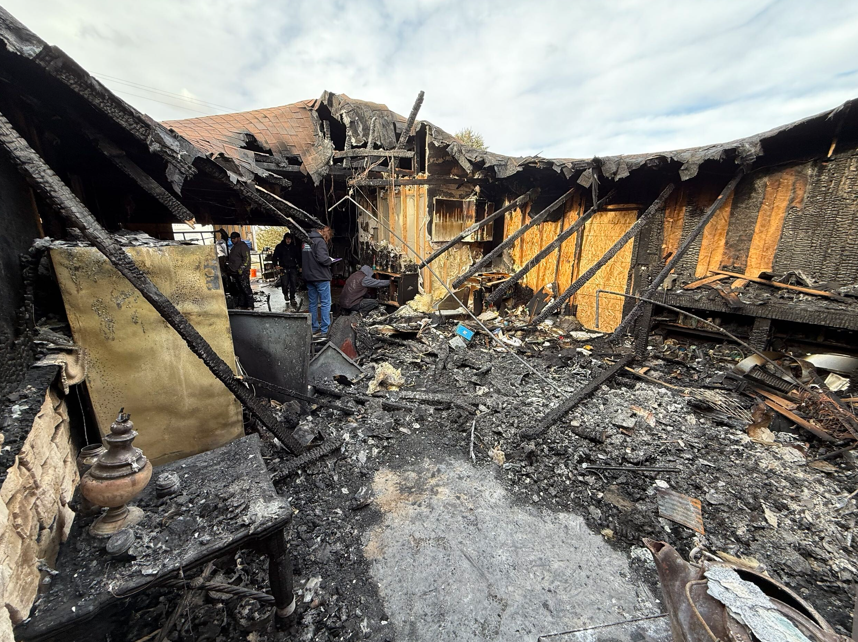
Fire damage can be devastating for homeowners and families. Beyond the destruction caused by the flames themselves, house fires often leave behind hidden hazards that can continue damaging the property long after the fire has been extinguished. Smoke, soot, water damage, and structural instability can quickly worsen if not properly addressed.
Understanding the causes of house fires, the different types of damage they create, and the importance of quick action can help protect both your property and your safety.
Common Causes of House Fires
House fires can occur for many different reasons, but some of the most common causes include:
-
Unattended cooking, especially involving hot oil or grease
-
Heating equipment, such as space heaters and wood-burning stoves
-
Electrical malfunctions, including frayed cords, outdated wiring, overloaded outlets, or clogged dryer lint traps
-
Smoking materials, such as cigarettes that are not fully extinguished or smoking indoors while asleep
-
Candles left unattended or placed too close to flammable materials like curtains or furniture
The Different Layers of Fire Damage
Fire damage often extends far beyond the area directly affected by flames. Several types of secondary damage can impact the property after a fire.
Smoke and Soot Damage
Smoke and soot contain microscopic acidic particles that can permanently stain surfaces, corrode metals, and penetrate porous materials such as drywall, carpeting, upholstery, and wood. Smoke odors can also spread throughout the property, including into HVAC systems and hidden spaces.
Water Damage
Water used during firefighting efforts can leave behind standing water and excess moisture. If not properly removed and dried, this can lead to damaged flooring, ruined drywall, weakened building materials, and potential mold growth.
Structural Damage
Extreme heat from a fire can compromise the structural integrity of a home. Steel components may warp, concrete can crack, and wooden framing may weaken or become unstable.
Why Quick Action Matters
Responding quickly after a house fire can help reduce secondary damage and improve the overall restoration process.
Quick action can help:
-
Prevent acidic soot residue from permanently damaging surfaces and personal belongings
-
Reduce the risk of mold growth caused by excess moisture and standing water
-
Protect the property from additional exposure and environmental damage
-
Identify and address structural safety concerns early
-
Improve the chances of salvaging personal belongings and building materials
-
Support the insurance claims and documentation process
Professional fire restoration and mitigation services can help ensure the property is safely cleaned, stabilized, dried, and restored as quickly as possible.
Step 1: Stay safe
After a house fire, safety should always be the top priority. Even after the flames are extinguished, the property may still contain serious hazards.
-
Do not re-enter the home until fire officials or local authorities confirm it is safe to do so
-
Watch for structural instability, including weakened floors, ceilings, walls, or roofing materials
-
Avoid contact with exposed electrical wiring, damaged appliances, or standing water near electrical systems
-
Limit exposure to smoke, soot, and airborne contaminants, which may pose health risks
-
Wear proper protective equipment, such as gloves, masks, boots, and protective clothing, if entering approved areas of the property
Taking proper safety precautions can help prevent additional injuries and reduce exposure to hazardous conditions following a fire.
Step 2: Document the damage
Proper documentation can help support your insurance claim and create a clear record of the damage before cleanup and restoration begin.
Be sure to:
-
Take clear photos and videos of all fire, smoke, soot, and water damage
-
Create a detailed inventory of damaged belongings and personal contents
-
Save receipts for emergency expenses, temporary housing, repairs, and replacement items
-
Keep damaged items when possible until they have been reviewed by your insurance company or restoration professionals
Thorough documentation can help streamline the claims process and ensure all damages are properly accounted for.
Step 3: Contact insurance
After ensuring everyone is safe and documenting the damage, contact your insurance company as soon as possible to begin the claims process.
When speaking with your insurance provider:
-
File the claim immediately and provide details about the fire and resulting damage
-
Obtain and save your insurance claim number for future reference
-
Ask about coverage for emergency mitigation services, temporary repairs, and restoration work
-
Save receipts for temporary housing, food, clothing, and other emergency living expenses
-
Keep records of all communication with your insurance company, adjusters, and contractors
Prompt communication and organized documentation can help streamline the claims process and reduce delays during restoration and repairs.
Step 4: Secure the property
After a fire, securing the property is an important step in preventing additional damage, protecting the structure, and maintaining safety.
Emergency stabilization and protection measures may include:
-
Board-up services to secure broken windows, doors, and other exposed openings
-
Roof tarping to help prevent water intrusion and weather-related damage
-
Structural stabilization for weakened or unsafe areas of the property
-
Temporary fencing or barriers if needed to secure the site and restrict unsafe access
Properly securing the property can help minimize secondary damage from weather exposure, theft, vandalism, and further structural deterioration while restoration and insurance processes move forward.
Types of fire damage
House fires often create several layers of damage that extend far beyond the visible flames. Understanding the different types of fire-related damage can help homeowners recognize the importance of thorough cleanup and restoration.
Fire Damage
Direct fire damage is caused by the flames and extreme heat generated during the fire.
This may include:
-
Structural burning and charring
-
Damaged framing, walls, and support materials
-
Melted or destroyed building materials and personal belongings
-
Warped metal, cracked concrete, or weakened structural components
Smoke Damage
Smoke can spread throughout the property, even into areas untouched by flames.
Smoke damage may include:
-
Smoke residue traveling through walls, ceilings, and ventilation systems
-
HVAC system contamination
-
Lingering smoke odors absorbed into porous materials
-
Discoloration and staining on surfaces and contents
Soot Damage
Soot is a hazardous byproduct of combustion that can quickly spread and settle throughout the home.
Soot damage may include:
-
Acidic residue that can permanently damage surfaces if not removed quickly
-
Staining on walls, ceilings, furniture, and personal belongings
-
Corrosion and deterioration of metals, electronics, and appliances
-
Fine airborne particles that may impact indoor air quality
Water Damage
Water damage commonly occurs from firefighting efforts used to extinguish the fire.
This may include:
-
Standing water and excess moisture throughout the property
-
Wet drywall, insulation, flooring, and structural materials
-
Damage to contents and personal belongings
-
Increased risk of mold growth if drying is delayed
Professional restoration services help address all layers of fire, smoke, soot, and water damage to safely restore the property and prevent additional long-term issues.
Smoke and soot health risks
Exposure to smoke and soot can lead to a range of health and indoor air quality concerns, including:
- Respiratory irritation and difficulty breathing
- Skin and eye irritation
- Lingering airborne particles that impact overall air quality
- Contamination within HVAC systems, which can circulate particles throughout the property
It is important to note that different types of soot require specialized cleaning methods, depending on the materials burned and the level of contamination present.
What Not to do after a house fire
After a fire, certain actions can increase safety risks and make restoration and insurance claims more difficult. Avoid the following:
- Do not attempt to turn utilities (gas, water, or electricity) back on yourself
- Do not touch or wipe soot-covered surfaces, as this can spread contamination and cause permanent staining
- Do not use household vacuums or cleaning equipment to remove soot or ash
- Do not begin deep cleaning or restoration work without proper inspection or approval
- Do not discard damaged items before they have been documented for insurance purposes
- Do not consume food or beverages that were exposed to smoke, soot, or high heat during the fire
Fire prevention tips
Taking proactive steps around the home can significantly reduce the risk of a fire and help keep your family safe.
Kitchen Safety
- Never leave cooking unattended, especially when using oil or high heat
- Regularly clean grease buildup from stovetops, ovens, and exhaust hoods
Electrical Safety
- Avoid overloading outlets or power strips
- Inspect cords, plugs, and wiring for signs of wear or damage
Heating Safety
- Schedule regular maintenance for furnaces, fireplaces, and heating systems
- Use space heaters safely and keep them away from flammable materials
Smoke Alarm Safety
- Test smoke detectors monthly to ensure they are working properly
- Replace batteries as needed and install new units when they reach end of life
Escape Planning
- Create and share a family fire escape plan
- Practice fire drills regularly and identify safe exit routes from each room
Salvaging personal belongings
After a fire, many personal belongings may be affected by smoke, soot, heat, or water damage. Professional restoration services can often help recover and restore items depending on the extent of the damage.
- Content cleaning – Specialized cleaning processes used to remove smoke, soot, and odor from salvageable items
- Pack-out services – Careful inventory, packing, and removal of belongings for off-site cleaning and storage during restoration
- Document restoration – Drying, cleaning, and specialized recovery methods for important papers and records exposed to water or fire damage
Our emergency response team is available 24/7 for fire damage emergencies.

They are FAST, they are EFFICIENT, these guys fixed my burned house so quickly and did such a good job, i have not felt so relieved and happy, i have my garage and my front porch back, no issues what so ever and they even call to make sure everything is up to your standards, such good people