
Basement Flood: What To Do Next
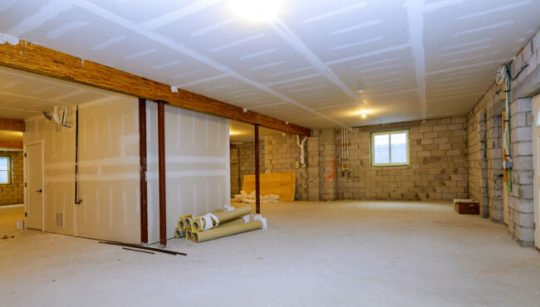
Basement Flood
Discovering water in your basement can be overwhelming, whether it was caused by heavy rain, a sump pump failure, a burst pipe, sewer backup, or another plumbing issue. Even a small amount of standing water can quickly damage flooring, drywall, insulation, furniture, and personal belongings while creating conditions that allow mold to begin growing within 24 to 48 hours.
The first few hours after a basement flood are critical. Knowing what steps to take—and what mistakes to avoid—can help reduce property damage, improve the chances of salvaging building materials and personal belongings, and make the insurance claims process much smoother.
Common Causes of Basement Flooding
Basement flooding can occur for many reasons, from severe weather to plumbing failures. Identifying the source of the water is an important first step in protecting your home and preventing future damage.
Sump Pump Failure
One of the leading causes of basement flooding. Power outages, mechanical failures, stuck float switches, clogged discharge lines, or overwhelmed systems during heavy rain can all cause a sump pump to stop working when it's needed most.
Heavy Rain and Groundwater Intrusion
Prolonged or intense rainfall can saturate the soil surrounding your home, increasing hydrostatic pressure and allowing water to seep through foundation walls, floor cracks, and other openings.
Burst or Frozen Pipes
A burst plumbing pipe can release a large amount of water into your basement in a matter of minutes. Frozen pipes, aging plumbing, corrosion, and excessive water pressure are common causes.
Sewer Backups
Heavy rainfall can overwhelm municipal sewer systems, causing contaminated wastewater to back up through basement floor drains, toilets, or other plumbing fixtures. Because this water contains harmful bacteria and contaminants, professional cleanup is essential.
Foundation Cracks
Even small cracks in foundation walls or basement floors can allow groundwater to enter during heavy rain or periods of high soil moisture.
Poor Exterior Drainage
Clogged gutters, short downspouts, improper grading, and drainage systems that direct water toward the foundation can significantly increase the risk of basement flooding.
Window Well Leaks
Window wells that fill with water because of clogged drains, damaged window seals, or inadequate drainage can allow water to enter basement windows during heavy storms.
Appliance and Plumbing Leaks
Water heaters, washing machines, water softeners, utility sinks, and other plumbing fixtures can leak or fail unexpectedly, resulting in basement water damage.
Hydrostatic Pressure
When the soil around your home becomes saturated, water pressure builds against the foundation. This pressure can force water through porous concrete, wall cracks, floor joints, and utility penetrations.
Frozen or Clogged Drain Lines
Blocked floor drains, damaged drain tiles, or frozen drainage systems can prevent water from draining properly, increasing the likelihood of basement flooding.
Understanding what caused the basement floods is an important first step in preventing future flood problems. If your home has experienced a flooded basement, professional water extraction and structural drying should begin as soon as possible to help minimize damage and restore your property.
Step One: Stay safe
Your safety should always be the first priority after discovering a flooded basement. Before attempting to remove water or salvage belongings, take a few moments to assess the situation and watch for potential hazards.
-
Avoid entering standing water if it may be in contact with electrical outlets, appliances, or exposed wiring.
-
If it is safe to do so, turn off power to the affected area at the breaker panel before entering the basement.
-
Determine where the water is coming from. Water from a burst pipe is generally much different than contaminated water from a sewer backup or flooding event. If you suspect the water contains sewage or other contaminants, avoid contact and leave cleanup to trained professionals.
-
Wear waterproof boots, rubber gloves, and other appropriate protective equipment if you need to enter the affected area.
-
Keep children and pets away from flooded areas until the water has been removed and the space is safe.
-
Watch for slippery floors, hidden debris, damaged building materials, or signs of structural instability.
-
Avoid using electrical appliances or extension cords in wet areas until the property has been inspected and deemed safe.
Taking the proper safety precautions before beginning cleanup can help prevent injuries and allow the restoration process to begin safely and efficiently.
Step two: stop water source immediately
After ensuring your safety, the next priority is to stop additional water from entering your basement. Identifying the source of the flooding can help minimize damage and determine the most appropriate course of action.
-
Shut off the main water supply if a burst pipe, plumbing leak, or failed appliance is causing the flooding.
-
Inspect your sump pump to ensure it has power, is operating properly, and that the discharge line is free of obstructions.
-
Check gutters, downspouts, and window wells if heavy rain is the cause. Remove debris when it is safe to do so and verify that water is being directed away from your home's foundation.
-
Determine whether the water may be contaminated. If you suspect a sewer backup or contaminated floodwater, avoid contact with the water and do not attempt cleanup without proper protective equipment.
-
Take reasonable steps to reduce additional water intrusion whenever it can be done safely, but avoid making repairs that could create additional hazards.
-
Contact a licensed plumber if the flooding is caused by a burst pipe or plumbing failure that requires repair.
Stopping the source of the water as quickly as possible can help limit further damage to your home's structure and personal belongings while allowing the restoration process to begin sooner.
step three: remove valuable content
Once the water source has been stopped and it is safe to enter the affected area, begin moving valuable belongings away from standing water and damp surfaces. Acting quickly can help reduce damage, improve the chances of salvaging personal belongings, and simplify the insurance claims process.
-
Move furniture, electronics, appliances, rugs, and other household items to a clean, dry location whenever possible.
-
Remove important documents, photographs, family heirlooms, and other irreplaceable items from affected areas.
-
Separate wet belongings from dry belongings to help prevent moisture from spreading.
-
Elevate furniture and other items that cannot be moved by placing wood blocks, pallets, or other protective materials beneath them.
-
Take photos of damaged contents before moving or disposing of anything for insurance documentation.
-
If the floodwater is contaminated by sewage or other hazardous materials, avoid handling affected belongings without proper protective equipment.
Keep in mind that many personal belongings can often be professionally cleaned, deodorized, disinfected, and restored. Before discarding furniture, electronics, documents, or sentimental items, consult with a restoration company that offers professional contents cleaning and restoration services.
Quickly protecting your belongings can help minimize damage, reduce replacement costs, and improve the chances of successfully restoring both your property and personal possessions.
Click here for our Content Cleaning Services
step four: document the damage
Before cleanup and restoration begin, take time to thoroughly document the damage caused by the basement flood. Proper documentation can help support your insurance claim, provide a clear record of the loss, and ensure both structural damage and personal belongings are accurately evaluated.
Be sure to document:
-
Standing water throughout the basement and other affected areas.
-
Water stains, damaged drywall, flooring, carpeting, insulation, and other building materials.
-
Water entry points such as foundation cracks, basement windows, floor drains, sump pump failures, burst pipes, or plumbing leaks.
-
Damaged furniture, electronics, appliances, clothing, documents, photographs, and other personal belongings.
-
Mechanical equipment affected by the flooding, including water heaters, furnaces, electrical panels, or HVAC equipment, when it is safe to do so.
In addition to taking photographs, record videos of each affected room to capture the overall extent of the damage. Create a written inventory of damaged belongings, including descriptions, approximate ages, and estimated values whenever possible.
Save receipts for emergency repairs, temporary protective measures, cleanup expenses, hotel stays, or other costs related to the loss, as these may be helpful during the insurance claims process.
Unless damaged items pose a health or safety hazard, avoid disposing of them until your insurance company or restoration contractor has had an opportunity to inspect the property. Many building materials and personal belongings can often be professionally cleaned and restored rather than replaced.
Thorough documentation can help streamline the insurance claims process and provide a strong foundation for restoring your home as quickly and efficiently as possible.
Click here for our Insurance Guide
step five: contact insurance company
After documenting the damage, contact your insurance company as soon as possible to report the loss and begin the claims process. Reporting the damage promptly can help move your claim forward and allow you to better understand what coverage may be available under your homeowners insurance policy.
When speaking with your insurance representative, be prepared to provide:
-
Your policy number
-
The date and time the flooding occurred
-
Photos and videos of the damage
-
A description of what caused the flooding, if known
-
A list of damaged personal belongings
-
Receipts for any emergency repairs or temporary protective measures
You may also want to ask questions such as:
-
Is this type of basement flooding covered under my policy?
-
What is my deductible?
-
Do I have water backup or sump pump overflow coverage?
-
Are damaged personal belongings covered?
-
Will temporary living expenses be covered if my home is uninhabitable?
-
Can I choose my own restoration contractor?
Depending on your policy, coverage may include emergency water mitigation, structural drying, repairs to your home, damaged personal belongings, and contents cleaning services. However, coverage varies by policy, and certain types of flooding, long-term leaks, maintenance-related issues, or groundwater intrusion may not be covered.
Many homeowners insurance policies also require policyholders to take reasonable steps to prevent additional damage after a loss. Prompt water extraction, structural drying, and emergency mitigation can help protect your property while supporting the insurance claims process.
At Damage Control, we work closely with homeowners and insurance companies throughout the restoration process. We help document the damage, provide detailed moisture assessments and restoration estimates, and communicate with insurance adjusters to help make the claims process as smooth as possible.
Coverage varies by policy. Contact your insurance provider to understand the specific terms, conditions, deductibles, and limitations of your homeowners insurance policy.
Click here to see our Insurance Guide
step six: call a restoration company
Once the source of the flooding has been addressed, contact a professional restoration company as soon as possible. Even after standing water has been removed, moisture can remain trapped behind walls, beneath flooring, inside insulation, and within other building materials. Without proper drying, hidden moisture can lead to additional structural damage, unpleasant odors, and mold growth.
Professional restoration services typically include:
-
Emergency Response and Damage Assessment – A thorough inspection to determine the extent of the water damage and develop an appropriate restoration plan.
-
Water Extraction – Professional equipment removes standing water quickly to help minimize additional damage.
-
Moisture Mapping and Detection – Specialized moisture meters and thermal imaging identify hidden moisture that may not be visible.
-
Structural Drying and Dehumidification – Commercial-grade air movers and dehumidifiers are used to dry walls, flooring, insulation, and structural materials.
-
Mold Prevention and Sanitization – Prompt drying and cleaning help reduce the risk of mold growth and create a healthier indoor environment.
-
Contents Cleaning and Restoration – Furniture, electronics, documents, clothing, and other personal belongings may be cleaned and restored whenever possible.
-
Repairs, Reconstruction, and Remodeling – Once mitigation is complete, damaged building materials can be repaired or replaced to restore your home to its pre-loss condition.
Because water damage continues to spread over time, beginning professional mitigation quickly can often reduce restoration costs, improve the chances of salvaging building materials and personal belongings, and help prevent more extensive repairs.
Many restoration companies also work closely with homeowners and insurance companies by documenting the damage, providing moisture assessments, communicating with adjusters, and supporting the insurance claims process from emergency mitigation through reconstruction.
How quickly can water damage Happen from a Flooded basement?
Water damage begins almost immediately after a basement floods. As water spreads, it is absorbed into flooring, drywall, insulation, wood framing, and personal belongings. Even after standing water has been removed, hidden moisture can remain trapped behind walls and beneath flooring, creating conditions for mold growth and additional structural damage.
Within Minutes
- Standing water begins accumulating.
- Flooring, carpeting, and rugs absorb moisture.
- Furniture and personal belongings become wet.
- Water begins migrating into adjacent rooms and lower building materials.
- Electronics and appliances may be damaged.
Within Hours
- Drywall absorbs moisture.
- Baseboards begin swelling.
- Wood flooring expands.
- Cabinets absorb water.
- Insulation becomes saturated.
- Water moves behind walls.
- Hidden moisture develops.
Within 24–48 Hours
- Mold may begin developing.
- Musty odors appear.
- Indoor humidity increases.
- Building materials continue deteriorating.
- Some materials become difficult to salvage.
Within Several Days
- Structural wood weakens.
- Flooring may buckle.
- Drywall may require replacement.
- Mold spreads.
- Extensive demolition may become necessary.
- Restoration costs increase.
Hidden moisture often remains:
- Behind drywall
- Beneath flooring
- Inside insulation
- Under cabinets
- Around framing
Professional moisture detection is often necessary.
Prompt water extraction, moisture detection, and structural drying can often:
- Reduce restoration costs
- Prevent mold growth
- Save flooring
- Preserve drywall
- Protect personal belongings
- Shorten the restoration timeline
signs you need professional restoration Company
Not all water damage is immediately visible after a basement flood. Even when standing water has been removed, moisture can remain trapped behind walls, beneath flooring, and inside building materials. Professional restoration helps identify hidden moisture, properly dry the structure, and reduce the risk of additional damage and mold growth.
You may need professional basement flood restoration if you notice:
-
Standing water that cannot be fully removed – Water that remains after cleanup can continue damaging flooring, drywall, furniture, and other materials.
-
Wet drywall, insulation, or flooring – Moisture trapped inside building materials can lead to swelling, deterioration, and mold growth.
-
Water under flooring or behind walls – Hidden moisture often requires professional moisture detection equipment to locate and properly dry.
-
Musty odors or increased humidity – Persistent odors may indicate moisture remains trapped in the structure.
-
Visible mold growth or discoloration – Mold can develop quickly after water damage if affected areas are not properly dried.
-
Contaminated water from a sewer backup or flooding event – Professional cleaning and sanitization are needed to safely restore affected areas.
-
Warped floors, soft drywall, or damaged building materials – Structural materials may require specialized drying, repairs, or replacement.
-
Uncertainty about the source of the water – Identifying the cause of the flooding is essential to prevent future problems.
Professional restoration companies use specialized equipment such as moisture meters, thermal imaging, commercial air movers, and dehumidifiers to locate hidden moisture and properly restore affected areas.
If your basement has experienced flooding, acting quickly can help minimize damage, reduce restoration costs, and improve the chances of restoring your home to its pre-loss condition.
Can insurance cover Flooded Basement damage?
It Depends on Your Policy
Whether basement flood damage is covered by insurance depends on the cause of the water intrusion, the details of your homeowners insurance policy, and any additional endorsements you may have. Coverage can vary significantly, so homeowners should review their policy or speak with their insurance provider to understand their specific protection.
Potential Coverage May Include:
Sudden and Accidental Water Damage
Many homeowners insurance policies may provide coverage for sudden and accidental water damage, such as certain burst pipe failures, plumbing issues, or appliance-related leaks.
Sump Pump or Sewer Backup Coverage
Standard homeowners policies may not automatically cover sump pump failures, sewer backups, or drain backups. Additional endorsements or coverage options may be available to help protect against these types of losses.
Structural Damage
Depending on your policy, coverage may include repairs to damaged building materials such as drywall, flooring, ceilings, insulation, and other structural components.
Personal Belongings
Personal property coverage may help with damaged furniture, electronics, clothing, documents, and other household belongings.
Temporary Living Expenses
If a covered loss makes your home unsafe or uninhabitable, some policies may provide coverage for temporary housing or additional living expenses.
Potential Exclusions May Include:
-
Flooding caused by rising groundwater or surface water
-
Long-term leaks or ongoing moisture problems
-
Damage caused by neglect or lack of maintenance
-
Issues specifically excluded by your insurance policy
After a basement flood, it is important to document the damage, take reasonable steps to prevent additional damage, and contact your insurance company as soon as possible. Photos, videos, damaged contents lists, and professional restoration documentation can help support the claims process.
At Damage Control, we help homeowners navigate the restoration process by documenting damage, providing moisture assessments, completing emergency mitigation, and working alongside insurance companies throughout the restoration process.
Coverage varies by policy. Contact your insurance provider to understand your specific coverage, deductibles, endorsements, and limitations.
our Basement Flood cleanup process
At Damage Control, our basement flood cleanup process is designed to quickly remove water, identify hidden moisture, prevent additional damage, and restore your home to its pre-loss condition. From emergency water extraction through reconstruction and remodeling, our experienced team helps homeowners manage every stage of the restoration process.
1. Emergency Response and Damage Assessment
Our team responds quickly to inspect the affected areas, determine the source of the flooding, evaluate the extent of the damage, and create a customized restoration plan. We document the damage, identify affected materials, and determine the best approach for restoring your property.
2. Water Extraction
Standing water is removed using professional-grade extraction equipment designed to quickly remove moisture and minimize damage to flooring, drywall, furniture, and personal belongings.
3. Moisture Mapping and Detection
Water can spread beyond visible areas and become trapped behind walls, beneath flooring, and inside structural materials. Using professional moisture detection equipment, we locate hidden moisture and monitor affected areas throughout the drying process.
4. Structural Drying and Dehumidification
Industrial air movers and dehumidifiers are strategically placed to thoroughly dry the structure, remove excess moisture, and help prevent additional damage. Our technicians monitor drying progress to ensure affected materials return to appropriate moisture levels.
5. Mold Prevention and Sanitization
Prompt drying and proper cleaning help reduce the risk of mold growth after basement flooding. Depending on the situation, affected areas may require cleaning, sanitizing, deodorizing, and additional treatments.
6. Contents Cleaning and Restoration
Flooded basements often damage furniture, electronics, documents, storage items, and personal belongings. Whenever possible, salvageable contents are cleaned, dried, deodorized, and restored using professional contents cleaning techniques.
7. Repairs and Reconstruction
Once mitigation and drying are complete, Damage Control can repair damaged building materials including drywall, flooring, ceilings, trim, and other structural components to restore your home.
8. Basement Remodeling Services
As licensed general contractors and restoration specialists, Damage Control can also help transform your basement after water damage. Whether we completed the original mitigation or you are looking for a trusted contractor for a new basement renovation, our remodeling team can help bring your vision to life.
Our goal is to simplify the restoration process by providing homeowners with one trusted team for emergency response, cleanup, repairs, reconstruction, and remodeling.
If your home has experienced a basement flood, don't wait for water damage to spread or hidden moisture to create additional problems. Water can quickly move into flooring, drywall, insulation, and other structural materials, increasing the risk of mold growth and more extensive repairs. Damage Control provides 24/7 emergency basement flood cleanup, water extraction, moisture detection, structural drying, mold prevention, contents cleaning, and reconstruction services throughout Southeast Wisconsin. Our experienced team responds quickly to identify the source of the water, minimize damage, reduce restoration costs, and restore your home to its pre-loss condition. Contact Damage Control today for fast, reliable basement flood cleanup and water damage restoration services.

Damage Control was excellent when we were in crisis! They responded quickly when our basement flooded and took immediate action. We also had them do much of the repair work since we needed new drywall and flooring. It was so convenient to have a one stop shop for this.
Krystal H recommends Damage Control Inc.
Water Damage Restoration Services
Mold Restoration Services
Preventing Mold Growth
Emergency Water Removal Brookfield
Water Damage Restoration Brookfield
Water Damage Restoration Menomonee Falls
Water Damage Restoration Muskego
Water Damage Restoration New Berlin
Water Damage Restoration Oconomowoc
Water Damage Restoration Pewaukee
Water Damage Restoration Waukesha
Flooded Basement Cleanup Waukesha
Flooded Basement Guide
Why Basements Flood