Smoke Damage: What To Do Next
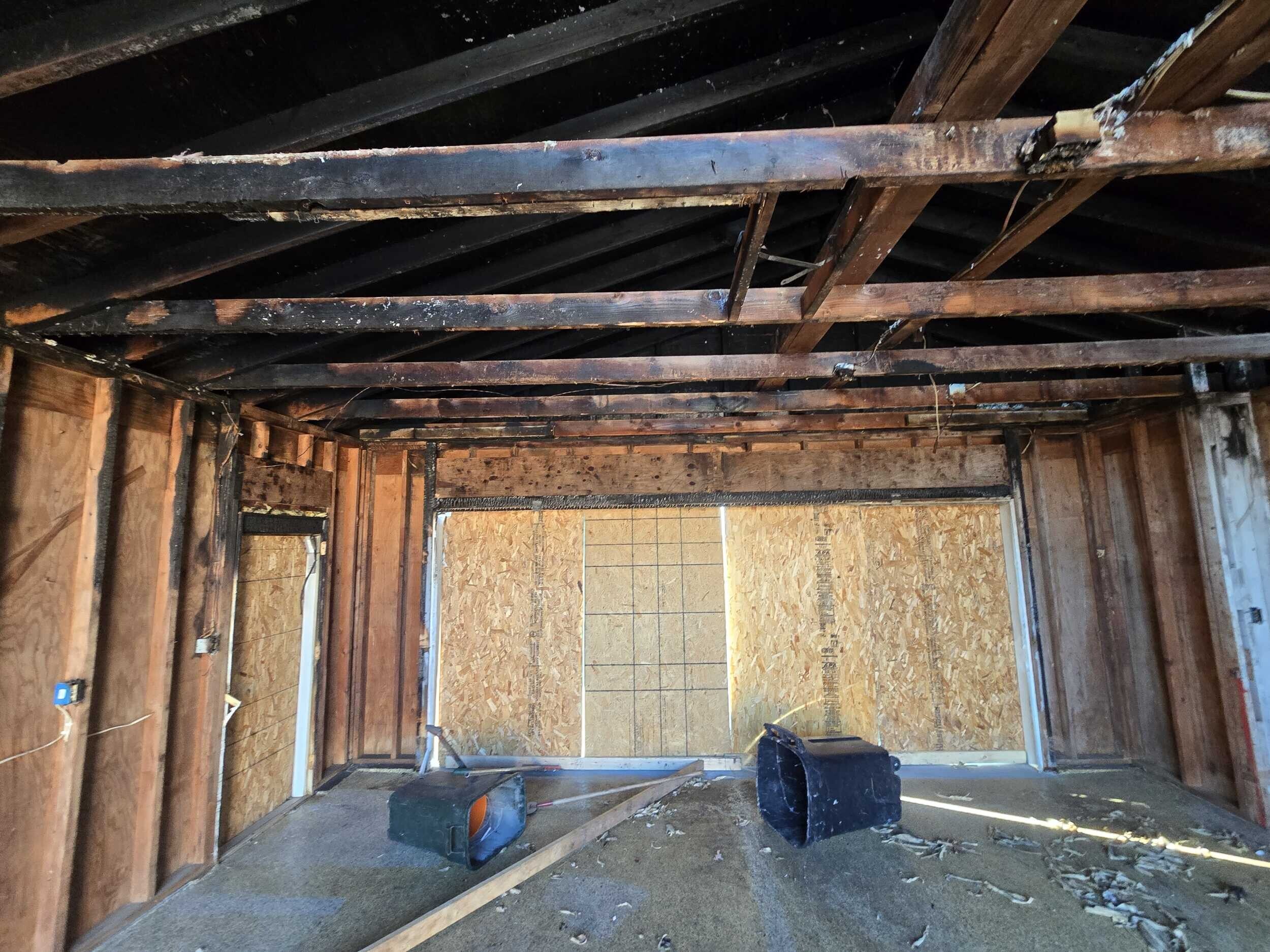
Smoke Damage
Smoke damage can begin with a relatively small amount of smoke entering a home and quickly develop into a widespread cleaning and restoration problem. Smoke can travel through rooms, walls, ceilings, HVAC systems, insulation, and other areas of the home, leaving behind soot, smoke residue, odors, and airborne contaminants.
Even when fire damage appears limited, smoke can spread far beyond the area where the fire occurred. Smoke residue can settle on walls, ceilings, flooring, furniture, clothing, electronics, personal belongings, and other surfaces. If smoke-damaged areas are not properly cleaned and treated, residue and odors can become more difficult to remove and may result in additional damage.
Smoke damage can result from house fires, cooking fires, electrical fires, fireplace or chimney problems, appliance fires, furnace or heating equipment problems, vehicle fires, and fires that occur in neighboring areas or attached structures.
If you discover smoke damage in your home, acting quickly can help minimize damage, protect your belongings, reduce persistent odors, and improve the chances of restoring affected materials.
Common Causes of Smoke Damage
Smoke damage can develop from many types of fires and can affect areas throughout a home even when the fire itself was contained to a relatively small location. Understanding common causes can help homeowners recognize potential smoke damage and seek professional restoration quickly.
House Fires
A residential fire can produce significant amounts of smoke and soot that spread throughout the home.
Common sources include:
-
Kitchen fires
-
Electrical fires
-
Heating equipment fires
-
Fireplace or chimney fires
-
Candle fires
-
Appliance fires
-
Smoking-related fires
-
Garage fires
-
Accidental fires
Smoke can travel well beyond the room where the fire started, affecting walls, ceilings, flooring, furniture, contents, and HVAC systems.
Cooking Fires
Kitchen fires are a common source of smoke damage. Even when a cooking fire is extinguished quickly, smoke and soot can spread throughout the kitchen and adjacent areas.
Common causes include:
-
Grease or cooking oil fires
-
Unattended cooking
-
Overheated food
-
Oven or stovetop fires
-
Microwave fires
-
Electrical problems involving kitchen appliances
-
Combustible materials placed too close to cooking equipment
Smoke from cooking fires can leave behind significant odors and greasy residue that may require specialized cleaning.
Electrical Fires
Electrical problems can cause fires that produce smoke, soot, and chemical residues.
Potential causes include:
-
Faulty wiring
-
Electrical shorts
-
Overloaded circuits
-
Damaged outlets
-
Faulty appliances
-
Electrical panels or components
-
Extension cord problems
-
Improper electrical installations
Electrical fires can create smoke damage in areas that may not appear visibly damaged by the fire itself.
Fireplace and Chimney Fires
Fireplaces and chimneys can produce smoke damage when combustion products enter the home or when a chimney or fireplace fire occurs.
Potential problems include:
-
Creosote buildup
-
Chimney fires
-
Poor ventilation
-
Damaged chimney components
-
Improperly maintained fireplaces
-
Smoke entering living areas
-
Improperly vented heating equipment
Smoke and soot can leave persistent odors and residue on nearby surfaces and contents.
Furnace and Heating Equipment
Heating systems and other equipment can contribute to smoke or fire damage when mechanical or electrical problems occur.
Potential sources include:
-
Furnaces
-
Boilers
-
Space heaters
-
Wood-burning stoves
-
Electrical heating equipment
-
HVAC components
-
Improperly maintained heating systems
Smoke can spread through the home through normal air movement or HVAC systems.
Garage and Vehicle Fires
Fires involving vehicles, tools, gasoline, chemicals, or other materials stored in a garage can produce extensive smoke and soot damage.
Garage fires may affect:
-
Garage walls and ceilings
-
Insulation
-
Stored belongings
-
Tools and equipment
-
Vehicles
-
HVAC systems
-
Adjacent rooms
-
Attics and other areas connected to the garage
Smoke from a garage fire can enter the living areas of the home and affect contents throughout the property.
Neighboring or Attached Structure Fires
Smoke damage does not always originate inside the affected home. A fire in an attached garage, neighboring property, apartment, commercial space, or nearby structure can allow smoke to enter another building.
Smoke may enter through:
-
Shared walls
-
Attics
-
Ventilation systems
-
Windows and doors
-
Openings around utilities
-
HVAC systems
-
Other building connections
Even when flames do not directly reach the home, smoke and soot can still cause significant damage.
Hidden Smoke Damage
Not every smoke damage problem creates obvious visible signs. Smoke and soot can travel into areas that are difficult to see or access, including behind furniture, inside cabinets, HVAC systems, insulation, wall cavities, attics, and other concealed spaces.
Signs of hidden smoke damage may include:
-
Persistent smoke or burning odors
-
Soot or dark residue on walls and ceilings
-
Discoloration of painted surfaces
-
Yellowing or staining of walls and ceilings
-
Smoke residue on furniture and contents
-
Greasy or sticky residue on surfaces
-
Smoke odors inside clothing, upholstery, or other porous materials
-
Smoke residue inside cabinets and drawers
-
Odors coming from HVAC vents or ductwork
-
Smoke damage in attics, garages, or other connected areas
-
Damage to insulation or concealed building materials
-
Electronics or appliances exposed to smoke and soot
-
Smoke odors that remain after the property has been ventilated
-
Damage or residue in areas away from the original fire
Smoke can also affect personal belongings even when they were not directly exposed to flames. Furniture, clothing, electronics, documents, artwork, and other contents may require specialized cleaning, deodorization, or restoration.
If you notice signs of smoke damage after a fire, addressing the problem quickly can help limit the spread of smoke residue, reduce persistent odors, protect affected contents, and improve the chances of restoring the home and belongings. Professional smoke damage restoration can help identify hidden damage, clean affected surfaces and contents, remove odors, and restore areas affected by smoke and soot.
Step One: Stay safe
Your safety should be the first priority after discovering smoke damage. A fire can create electrical hazards, structural concerns, poor air quality, toxic smoke residues, damaged building materials, and other hidden risks. Even after the fire has been extinguished, smoke, soot, and fire-damaged materials can continue to create unsafe conditions throughout the home.
Before taking any additional steps:
-
Do not enter the property if firefighters or emergency personnel have determined that it is unsafe. Wait until the property has been cleared for entry.
-
Avoid areas with significant fire or structural damage. Fire can weaken walls, ceilings, floors, roof structures, and other building components that may not appear damaged from the outside.
-
Do not touch electrical equipment, outlets, wiring, appliances, or electrical panels that may have been exposed to fire, heat, water, or smoke. Electrical systems should be evaluated by a qualified professional when damage is suspected.
-
Do not turn electricity or gas back on if it has been shut off because of the fire. Follow instructions from emergency personnel and qualified utility or electrical professionals.
-
Keep children and pets away from fire- and smoke-damaged areas. Soot, ash, debris, damaged materials, and contaminated surfaces can create additional health and safety hazards.
-
Avoid breathing smoke or soot residue whenever possible. Fire-related smoke can contain irritating or potentially harmful particles and contaminants.
-
Do not disturb large amounts of soot, ash, or fire debris unnecessarily. Moving or cleaning these materials without proper precautions can spread contamination to other areas of the home.
-
Do not attempt to clean heavily smoke-damaged areas without appropriate protective equipment and cleaning methods. Smoke residue can be difficult to remove and may become more difficult to clean if improperly handled.
-
Be cautious around water used to extinguish the fire. Firefighting water can create slippery surfaces, electrical hazards, structural concerns, and additional water damage.
-
Do not use household fans, HVAC systems, or other equipment to circulate air if doing so could spread smoke, soot, or contaminants to unaffected areas.
-
Avoid using or cleaning smoke-damaged electronics and appliances until they have been properly evaluated. Smoke and soot can affect electrical components even when there is little visible damage.
-
Do not remove heavily damaged building materials or personal belongings unnecessarily before the damage has been documented and evaluated. Some materials and contents may be restorable.
-
Do not attempt to remove damaged structural components yourself. Fire-damaged framing, ceilings, insulation, roofing materials, and other building components may be unstable.
-
If you smell natural gas or suspect a gas leak, leave the property immediately and contact the appropriate emergency or utility service from a safe location. Do not operate switches, appliances, or other potential ignition sources.
-
If the fire involved chemicals, plastics, vehicles, batteries, or other hazardous materials, avoid contact with the resulting residue and allow qualified professionals to evaluate the affected areas.
-
If smoke or fire damage extends into HVAC systems, insulation, wall cavities, attics, or other concealed areas, professional assessment may be necessary before those areas are disturbed.
Once the property has been determined to be safe to enter, the next priority is to limit additional damage, protect your belongings, and begin documenting the smoke and fire damage.
Step two: stop or limit additional smoke damage immediately
Once the property is safe to enter, the next priority is to stop or limit additional smoke and soot from spreading throughout your home. Smoke can travel through open doorways, ventilation systems, HVAC equipment, wall cavities, attics, and other areas, allowing residue and odors to affect rooms and belongings that were not directly involved in the fire.
If it is safe to do so:
-
Identify the areas affected by smoke and soot from a safe location. Look for visible soot, discoloration, smoke odors, residue, or other signs of smoke damage. Do not enter areas that have significant fire or structural damage.
-
Make sure the fire has been completely extinguished. If you see flames, active smoke, smoldering materials, or signs that the fire may have restarted, leave the property and contact the appropriate emergency services.
-
Do not attempt to restart utilities or electrical systems that have been shut off because of the fire. Follow instructions from firefighters, utility companies, and qualified professionals.
-
If the HVAC system may have been affected by smoke, soot, or fire, avoid operating it until it has been evaluated. Running the system can potentially circulate smoke particles and odors throughout the home.
-
Close doors to heavily smoke-damaged areas when practical and safe. Limiting air movement between affected and unaffected areas may help reduce the spread of soot and smoke residue.
-
Avoid unnecessary movement through smoke-damaged areas. Walking through affected areas can transfer soot and residue to carpets, flooring, furniture, and other surfaces.
-
Do not use household fans to circulate air throughout the property if doing so could spread soot, smoke residue, or odors into unaffected areas.
-
Do not attempt aggressive cleaning of walls, ceilings, furniture, or other surfaces. Improper cleaning techniques can spread soot or permanently affect certain materials and finishes.
-
Do not use water or household cleaning products on smoke-damaged surfaces without knowing whether they are appropriate for the affected material. Different types of smoke and soot can require different cleaning methods.
-
If smoke odors are present throughout the home, avoid using air fresheners, perfumes, or other products to cover the odor. These products generally do not remove smoke residue and may make professional odor treatment more difficult.
-
Move unaffected or lightly affected belongings away from heavily smoke-damaged areas when it is safe to do so. Avoid moving heavily soot-covered items through clean areas of the home.
-
Protect important documents, clothing, furniture, and other belongings from additional exposure when possible. Some smoke-damaged contents may be professionally cleaned and restored rather than replaced.
-
Do not use or attempt to clean smoke-damaged electronics, appliances, or other electrical equipment until they have been properly evaluated. Smoke and soot can affect internal components even when there is little visible damage.
-
If fire suppression water has affected areas of the home, do not allow additional water damage to go unaddressed. Smoke, fire, and water damage can occur together and may require coordinated restoration.
-
If smoke or soot has entered HVAC systems, attics, insulation, wall cavities, or other concealed areas, avoid disturbing those materials unnecessarily. Professional inspection may be necessary to determine the extent of the damage.
-
If the fire involved chemicals, plastics, vehicles, batteries, or other materials that may produce hazardous residues, avoid contact with the affected materials and allow qualified professionals to evaluate the area.
-
If smoke continues to spread, odors are becoming stronger, or the source of smoke or fire damage cannot be safely controlled, contact a professional fire and smoke damage restoration company.
Stopping or limiting additional smoke exposure is only the first step. Smoke and soot that have already entered the home can continue affecting walls, ceilings, flooring, furniture, HVAC systems, insulation, and personal belongings. Smoke residue can also become more difficult to clean if it remains on surfaces for an extended period.
Once additional smoke exposure has been stopped or limited, the next step is to remove valuable contents and protect your belongings from further damage.
step three: remove valuable content
After smoke exposure has been stopped or limited, begin protecting your belongings from additional smoke and soot damage. A fire can affect furniture, clothing, electronics, documents, photographs, seasonal decorations, tools, personal belongings, and other contents throughout the home. Smoke can also spread into areas that were not directly affected by flames, leaving residue and odors on items that may initially appear undamaged.
Whenever it is safe to do so:
-
Move unaffected or lightly affected belongings away from heavily smoke-damaged areas. Avoid carrying heavily soot-covered items through clean areas of the home.
-
Do not enter areas with significant fire, structural, electrical, or other safety hazards simply to retrieve belongings. Wait for a qualified professional to evaluate the area if unsafe conditions are present.
-
Remove electronics and electrical devices from affected areas only if they can be moved safely. Do not handle equipment that may have been exposed to fire, heat, water, or significant soot until it has been properly evaluated.
-
Protect important documents, photographs, and valuable records by moving them to a clean, dry location when safely accessible. Handle fragile or smoke-damaged paper items carefully.
-
Relocate clothing, linens, furniture, artwork, seasonal decorations, and other porous belongings away from areas with heavy smoke or soot exposure when possible.
-
Move items away from areas where smoke, soot, or fire suppression water may continue to affect them. This may include areas near the fire, damaged ceilings or walls, HVAC vents, or locations with active water damage.
-
Separate heavily smoke-damaged items from unaffected belongings when practical. This can help reduce the transfer of soot and smoke residue to cleaner contents.
-
Place smaller items in a clean, dry area where they can be evaluated, documented, cleaned, deodorized, and restored.
-
If belongings have been exposed to fire suppression water, soot, or potentially hazardous residues, keep them separate from clean contents and avoid unnecessary handling.
-
Photograph damaged belongings before moving, cleaning, or disposing of them to help document your insurance claim.
-
Avoid aggressively wiping, scrubbing, or washing smoke-damaged contents yourself. Improper cleaning methods can spread soot or permanently damage certain materials.
-
Avoid using household cleaners, bleach, or other products on smoke-damaged belongings unless you know they are appropriate for the specific material. Different contents require different cleaning and restoration methods.
-
Do not use air fresheners, perfumes, or other products to cover smoke odors. Professional cleaning and deodorization may be necessary to remove smoke odor rather than simply masking it.
Many smoke-damaged belongings can be professionally cleaned, deodorized, and restored. Clothing, furniture, documents, electronics, artwork, and other personal property may have restoration options depending on the type and extent of smoke, soot, heat, and water exposure. Items exposed to heavy soot, fire, smoke odor, or contaminated water may require specialized cleaning and evaluation, and some materials may not be safely restorable.
Whenever possible, avoid throwing away damaged belongings unless they create an immediate health or safety hazard. Your restoration company and insurance provider may need an opportunity to evaluate, document, and determine whether items can be restored or need to be replaced.
Acting quickly to protect your belongings can help reduce additional smoke and soot exposure, limit replacement costs, and improve the chances of restoring valuable personal property.
Click here for our Content Cleaning Services
step four: document the damage
Before cleanup and restoration begin, thoroughly document the damage caused by the fire and smoke. Photos, videos, and detailed records can help support your insurance claim and provide a clear record of the condition of your home and belongings before cleaning, repairs, or removal of damaged materials takes place.
Be sure to document:
-
The visible source of the fire and areas of fire damage, including the room or location where the fire started, when this can be safely photographed.
-
Areas affected by smoke and soot, including walls, ceilings, floors, furniture, cabinets, doors, trim, and other surfaces with visible residue or discoloration.
-
The extent of smoke damage throughout the home, including rooms that were not directly affected by flames but have smoke odors, soot, or residue.
-
Soot and smoke residue, including black, gray, yellow, greasy, or discolored deposits on surfaces and belongings.
-
Smoke staining or discoloration, including yellowing, darkening, staining, or other changes to walls, ceilings, flooring, cabinetry, and other building materials.
-
Fire-damaged structural materials, including walls, ceilings, flooring, framing, doors, windows, insulation, roofing materials, and other components when they can be photographed safely.
-
Damage to HVAC systems and ventilation areas, including visible soot or residue around vents, registers, ductwork, and other accessible components. Do not approach or touch electrical or mechanical equipment that may be unsafe.
-
Damage caused by firefighting water or other emergency response efforts, including wet flooring, walls, ceilings, insulation, furniture, and personal belongings.
-
Smoke odors and areas where odors appear strongest, including rooms, closets, HVAC areas, and other locations where smoke may have traveled.
-
Smoke damage in concealed or less obvious areas, when safely accessible, including cabinets, closets, attics, garages, utility areas, and other connected spaces.
-
Damaged personal belongings, including furniture, clothing, electronics, appliances, tools, artwork, photographs, documents, seasonal decorations, and other contents before moving, cleaning, or disposing of them.
-
The overall extent of the damage, including both visible fire damage and areas where smoke, soot, odor, or hidden contamination may be present.
Also keep copies of:
-
Fire department reports and other emergency response documentation.
-
Fire investigation reports or documentation, when available.
-
Electrical, HVAC, plumbing, roofing, or other inspection reports related to the loss.
-
Emergency service invoices and receipts.
-
Temporary repair or board-up invoices.
-
Restoration and cleanup estimates and invoices.
-
Contents cleaning, restoration, or replacement estimates.
-
Receipts for temporary housing, meals, clothing, or other eligible expenses, when applicable.
-
Documentation related to damaged or replaced appliances, electronics, or other property.
-
Your insurance claim information and correspondence with your insurance company.
Take photos and videos from multiple angles. Include both close-up images showing specific damage and wider images showing the overall extent of the affected areas. Photograph fire damage, soot and smoke residue, stained surfaces, damaged building materials, HVAC areas, firefighting water damage, smoke odors when they can be described or documented, and affected belongings whenever it is safe to do so.
Do not enter a property or area that has been determined to be unsafe simply to take photographs. If structural damage, electrical hazards, active fire or smoke, unstable materials, hazardous residues, or other unsafe conditions are present, allow qualified professionals to document the affected areas safely.
Avoid making extensive repairs, removing damaged structural materials, aggressively cleaning soot, or disposing of damaged belongings before they have been properly documented and, when appropriate, evaluated by your insurance company, contractor, or restoration professional. Some smoke-damaged materials and belongings may be professionally cleaned and restored rather than replaced.
If electronics, appliances, HVAC equipment, insulation, or other systems were exposed to fire, heat, smoke, soot, or firefighting water, avoid operating or cleaning them until they have been properly evaluated.
Thorough documentation can help support the insurance claims process, establish the extent of the loss, and provide your restoration team with valuable information when developing a smoke and fire damage cleaning, contents restoration, odor removal, structural cleaning, repair, and reconstruction plan.
Click here for our Insurance Guide
step five: contact insurance company
It Depends on Your Policy
Insurance coverage for smoke damage depends on the cause of the fire, the type and extent of the smoke and fire damage, and the specific terms, conditions, exclusions, deductibles, and endorsements in your homeowners insurance policy. Smoke damage resulting from a sudden and accidental fire or another covered cause of loss may be treated differently from damage related to excluded events, long-term conditions, negligence, or other circumstances specified in the policy.
Potential Coverage May Include:
-
Smoke and soot damage caused by a covered fire or other covered event.
-
Damage to the interior of your home resulting from a covered fire, including smoke and soot that spread beyond the room where the fire originated.
-
Cleaning and restoration of affected building materials, including walls, ceilings, flooring, cabinets, doors, trim, insulation, and other components damaged by smoke, soot, or fire.
-
Contents cleaning and restoration, including furniture, clothing, electronics, appliances, documents, photographs, artwork, tools, seasonal decorations, and other personal belongings when covered under the policy.
-
Emergency mitigation and stabilization services, including securing the property, smoke and soot cleanup, moisture control from firefighting water, and other necessary measures to help prevent additional damage.
-
Professional smoke and soot cleaning, including specialized cleaning of surfaces and materials affected by smoke residue.
-
Odor removal and deodorization, when covered and necessary to address smoke odors resulting from a covered loss.
-
HVAC and ventilation cleaning or restoration, when smoke and soot have entered applicable systems and the policy provides coverage.
-
Mold-related services, when mold results from a covered fire or water loss and the policy provides applicable coverage.
-
Additional living expenses or loss of use, if a covered fire makes your home temporarily uninhabitable and your policy includes applicable coverage.
Potential Exclusions May Include:
-
Damage resulting from a cause of loss that is excluded under the policy.
-
Pre-existing damage or deterioration that occurred before the fire or smoke damage.
-
Long-term conditions, neglect, or maintenance-related problems when excluded by the policy.
-
Normal wear and tear, aging, deterioration, or failure of building materials or equipment unrelated to the covered fire.
-
The cost of repairing or replacing an item that failed or caused the fire, depending on the specific policy and circumstances of the loss.
-
Damage resulting from intentional acts or other excluded causes of loss, as specified in the policy.
-
Certain hazardous materials or contamination, depending on the source of the fire and applicable policy provisions.
-
Damage beyond applicable policy limits, including limitations that may apply to certain types of personal property.
-
Other limitations, exclusions, deductibles, endorsements, conditions, or coverage restrictions outlined in your specific insurance policy.
If you discover smoke or fire damage, contact your insurance company as soon as possible to report the loss and determine whether you should file a claim. Provide photos and videos of the fire-damaged areas, smoke and soot residue, affected rooms, building materials, HVAC areas, firefighting water damage, and damaged belongings whenever it is safe to do so.
Keep copies of fire department reports, inspection reports, emergency service documentation, restoration estimates and invoices, contents cleaning or replacement estimates, receipts for temporary repairs, and other records related to the loss.
Be sure to tell your insurance company about the full extent and source of the damage. Smoke and soot can spread well beyond the area where the fire occurred, and fire-related water damage may also affect the property. Fire damage, smoke damage, soot damage, contents damage, and water damage from firefighting efforts may be evaluated under different provisions of your policy.
Coverage varies by policy. Contact your insurance provider to understand your specific coverage, deductible, endorsements, exclusions, limits, and policy conditions. A professional restoration company can also help document the damage and identify areas requiring smoke and soot cleaning, contents restoration, odor removal, structural cleaning, water mitigation, repairs, and reconstruction.
Click here to see our Insurance Guide
step six: call a restoration company
After smoke or fire damage, professional restoration should begin as quickly as possible to help prevent additional damage and make smoke and soot cleanup more manageable. Even after the fire has been extinguished, smoke residue and odors can remain on walls, ceilings, flooring, furniture, clothing, electronics, HVAC systems, insulation, and other materials throughout the home.
Smoke can travel well beyond the area where the fire originated. Soot and smoke residue can settle on surfaces and belongings, while odors can penetrate porous materials and become more difficult to remove if they are not properly addressed.
Firefighting efforts can also introduce significant amounts of water into the home. As a result, a fire loss may involve fire damage, smoke damage, soot damage, and water damage at the same time, requiring a coordinated restoration approach.
A professional restoration company can help with:
Emergency Response and Damage Assessment
A restoration team will inspect the affected areas, assess the extent of the fire and smoke damage, identify areas affected by soot and smoke residue, evaluate building materials and personal belongings, look for hidden damage, and develop a plan to safely and efficiently restore your home.
Smoke and Soot Removal
Smoke and soot can leave residue on walls, ceilings, floors, cabinets, furniture, fixtures, and other surfaces. Professional cleaning methods and equipment can help remove smoke residue while reducing the risk of spreading soot or causing additional damage to affected materials.
Structural Cleaning
Fire and smoke can affect drywall, ceilings, flooring, trim, doors, cabinets, framing, insulation, and other building materials. These materials can be evaluated and cleaned, restored, removed, or replaced depending on the type and extent of damage.
Smoke Odor Removal
Smoke odors can remain long after visible soot has been cleaned. Smoke can penetrate porous materials such as carpeting, upholstery, clothing, wood, insulation, and other contents. Professional cleaning, deodorization, and odor-control techniques can help address smoke odors at their source rather than simply masking them.
HVAC and Ventilation Cleaning
Smoke and soot can enter HVAC systems and potentially spread residue and odors throughout the home. HVAC components, vents, registers, and other affected areas can be evaluated to determine whether professional cleaning or additional restoration is necessary.
Contents Cleaning and Restoration
Furniture, clothing, electronics, artwork, photographs, documents, tools, seasonal decorations, appliances, and other personal belongings may be affected by smoke, soot, heat, or firefighting water. Contents can be evaluated for professional cleaning, deodorization, restoration, or replacement whenever possible.
Firefighting Water Damage
Water used to extinguish a fire can cause additional damage to flooring, drywall, ceilings, insulation, furniture, contents, and other building materials. Professional water extraction, moisture detection, drying, and dehumidification may be necessary to address water damage resulting from firefighting efforts.
Moisture Detection and Structural Drying
If firefighting water has affected the property, specialized moisture detection equipment can help identify moisture that may remain inside walls, flooring, ceilings, insulation, and other concealed areas. Professional drying equipment and moisture monitoring can help reduce the risk of additional water damage and mold growth.
Mold Prevention
Firefighting water and other moisture introduced during a fire can create conditions that contribute to mold growth if affected materials are not properly dried. Prompt water extraction, moisture detection, structural drying, and humidity control can help reduce this risk. If mold is already present, additional assessment and remediation may be necessary.
Cleaning and Sanitization
Smoke, soot, fire debris, and firefighting water can leave behind contaminants throughout the property. Professional cleaning and sanitization procedures can help address affected surfaces, contents, and building materials as appropriate.
Odor Removal and Deodorization
Persistent smoke odors may remain in carpeting, upholstery, clothing, wood, insulation, walls, and other porous materials even after visible residue has been removed. Professional deodorization and restoration techniques can help reduce or eliminate lingering odors.
Repairs and Reconstruction
Once cleaning, mitigation, and restoration are complete, damaged drywall, flooring, ceilings, cabinets, trim, insulation, framing, and other building materials can be repaired or replaced as needed to restore your home.
Remodeling Services
If the fire or smoke damage requires more extensive repairs, reconstruction, or renovations, Damage Control can also provide remodeling and reconstruction services to complete the project and return your home to its pre-loss condition. Damage Control can handle remodeling projects even when our team did not perform the original mitigation.
Calling a professional restoration company quickly after smoke or fire damage can help identify hidden smoke and soot damage, address fire-related water damage, protect and restore personal belongings, reduce persistent odors, minimize additional damage, and improve the chances of restoring your home and contents.
How quickly can Smoke damage occur?
Smoke damage can develop surprisingly quickly after a fire. Even when the fire is contained to a small area, smoke and soot can travel throughout the home through open spaces, air movement, HVAC systems, wall cavities, attics, and other pathways. Smoke residue can settle on walls, ceilings, flooring, furniture, clothing, electronics, and other belongings within a short period of time.
Smoke does not always remain where the fire first occurred. Fine smoke particles can spread into adjacent rooms and concealed areas, while soot can settle onto surfaces and porous materials. Smoke odors can also penetrate carpeting, upholstery, clothing, wood, insulation, and other materials, making professional cleaning and deodorization increasingly important.
Firefighting efforts can also introduce water into the home, creating a combination of fire, smoke, soot, and water damage that may require prompt professional restoration.
Within Minutes
Smoke can begin spreading throughout the home as soon as a fire produces smoke and combustion byproducts.
-
Smoke can move beyond the immediate area of the fire.
-
Fine smoke particles can enter adjacent rooms and open areas.
-
Soot can begin settling on walls, ceilings, floors, furniture, and other surfaces.
-
Smoke odors can begin penetrating porous materials.
-
HVAC systems may distribute smoke particles and odors if operating during or after the fire.
-
Clothing, upholstery, carpeting, and other absorbent materials can begin taking on smoke odors.
-
Electronics and appliances can be exposed to smoke and soot even when they are not directly burned.
-
Firefighting water may begin affecting flooring, walls, ceilings, contents, and other materials.
Within Hours
Smoke and soot can continue spreading and settling throughout affected areas.
-
Soot residue may become more noticeable on surfaces.
-
Smoke odors can become stronger and more persistent.
-
Porous materials can absorb smoke odors and residue.
-
Furniture, carpeting, clothing, and upholstery may retain smoke contamination.
-
Smoke can enter cabinets, closets, attics, garages, and other connected areas.
-
HVAC systems and ductwork may contain smoke particles and odors.
-
Smoke residue may begin affecting painted and finished surfaces.
-
Firefighting water can continue contributing to moisture damage.
-
Electronics and other contents exposed to smoke may require professional evaluation and cleaning.
Within 24–48 Hours
The risk of secondary smoke and soot damage increases as residue remains on affected materials.
-
Smoke residue can become more difficult to remove from certain surfaces.
-
Soot can continue accumulating on walls, ceilings, flooring, and contents.
-
Smoke odors may become more deeply embedded in porous materials.
-
Clothing, furniture, carpeting, upholstery, and other absorbent contents may require specialized cleaning and deodorization.
-
Smoke residue can remain in concealed or difficult-to-access areas.
-
HVAC systems may continue circulating odors and particles if not properly evaluated.
-
Firefighting water may contribute to additional damage or increased moisture levels.
-
Mold risk can increase when building materials remain wet following firefighting efforts.
-
Smoke damage may extend well beyond the room where the fire originated.
Within Several Days
Prolonged exposure to smoke residue, soot, odors, and moisture can result in more extensive restoration needs.
-
Smoke odors can become increasingly difficult to remove.
-
Soot residue may become more difficult to clean from certain materials and surfaces.
-
Porous building materials and contents may retain persistent smoke odors.
-
Damaged insulation, drywall, flooring, carpeting, and other materials may require removal or replacement.
-
HVAC systems and concealed areas may require additional cleaning and inspection.
-
Firefighting water damage can lead to additional deterioration if affected materials are not properly dried.
-
Mold growth may develop in areas that remain damp following firefighting efforts.
-
Smoke-damaged contents may require specialized cleaning, deodorization, or restoration.
-
More extensive cleaning, demolition, repairs, reconstruction, or remodeling may become necessary.
Smoke Damage Can Be Especially Difficult to Detect
Not every smoke damage problem creates obvious visible signs inside the home. A fire may be contained to one room while smoke travels into surrounding rooms, closets, attics, HVAC systems, wall cavities, and other areas.
Smoke residue can also remain hidden behind furniture, inside cabinets, on the tops of surfaces, within ventilation systems, and in other difficult-to-see locations. By the time persistent smoke odors, discoloration, soot, or staining become obvious, smoke residue may already be present throughout multiple areas of the property.
The sooner smoke and fire damage is professionally assessed, cleaned, and treated, the better the opportunity to minimize additional damage, remove smoke residue, address persistent odors, protect personal belongings, and reduce restoration costs.
Smoke can travel through open areas, HVAC systems, wall cavities, and other pathways before the full extent of the damage becomes visible.
If the fire involved firefighting water, the property may also have significant water and moisture damage. Prompt moisture detection, water extraction, structural drying, and dehumidification may be necessary to help prevent additional damage and mold growth.
signs you need professional restoration
Even after a fire has been extinguished and visible smoke has cleared, hidden smoke and soot damage can remain throughout your home. Smoke can travel into walls, ceilings, HVAC systems, insulation, cabinets, closets, and other areas before the full extent of the damage becomes visible.
You may need professional restoration services if you notice:
-
Persistent smoke or burning odors that remain after the fire has been extinguished and the property has been ventilated.
-
Visible soot or smoke residue on walls, ceilings, floors, furniture, cabinets, doors, trim, or other surfaces.
-
Yellowing, staining, or discoloration of walls, ceilings, painted surfaces, or other building materials.
-
Greasy, sticky, or difficult-to-remove residue on surfaces following a fire, particularly after a kitchen or cooking fire.
-
Smoke odors or residue on furniture, carpeting, upholstery, clothing, bedding, or other porous belongings.
-
Smoke damage in rooms away from the original fire, indicating that smoke has traveled throughout the home.
-
Smoke or soot inside cabinets, closets, attics, garages, or other areas that may not have been directly affected by flames.
-
Smoke residue or odors coming from HVAC vents or ductwork, which may indicate that smoke has entered the ventilation system.
-
Smoke-damaged electronics, appliances, or mechanical equipment, even when there is little visible exterior damage.
-
Fire-damaged or smoke-damaged insulation, drywall, flooring, ceilings, framing, or other building materials.
-
Water damage from firefighting efforts, including wet flooring, drywall, ceilings, insulation, furniture, or personal belongings.
-
Musty or damp odors following firefighting water exposure, which may indicate lingering moisture that requires professional drying.
-
Visible mold growth or signs of developing moisture problems in areas affected by firefighting water.
-
Smoke odors that remain after ordinary cleaning, particularly in carpeting, upholstery, wood, clothing, insulation, or other porous materials.
-
Soot or smoke residue in difficult-to-reach or concealed areas, including behind appliances, inside cabinets, above surfaces, or within connected areas of the home.
-
Damage or odors that continue to become more noticeable after the fire, even when there is no additional visible fire damage.
Professional restoration companies use specialized cleaning equipment, smoke and soot removal techniques, odor-control methods, contents restoration procedures, moisture detection equipment, structural drying systems, and other restoration techniques to identify hidden smoke damage, clean affected surfaces and belongings, address persistent odors, and restore areas affected by fire and smoke.
If firefighting water is also present, professional restoration can help identify hidden moisture, extract water, dry affected building materials, reduce the risk of mold growth, and address the combination of fire, smoke, soot, and water damage.
The sooner professional restoration begins, the greater the opportunity to minimize damage, reduce restoration costs, protect your belongings, remove smoke residue and odors, and prevent fire-related problems from becoming more extensive.
Can insurance cover Smoke damage?
Coverage for smoke damage depends on the cause of the smoke, the extent of the fire and smoke damage, and the terms, conditions, endorsements, deductibles, and exclusions of your homeowners insurance policy. Smoke damage resulting from a sudden and accidental fire or another covered event may be treated differently from damage caused by excluded events, long-term conditions, neglect, or other circumstances not covered by the policy.
Potential Coverage May Include:
Smoke and soot damage caused by a covered fire or other covered event.
Damage to the home caused by smoke, soot, or fire, including areas beyond where the fire originally occurred.
Damage to building materials, including walls, ceilings, flooring, cabinets, doors, trim, insulation, framing, and other affected components.
Professional smoke and soot cleaning, including cleaning and treatment of affected surfaces and materials.
Smoke odor removal and deodorization when necessary to restore affected areas.
Cleaning and restoration of personal belongings, including furniture, clothing, electronics, appliances, documents, photographs, artwork, tools, decorations, and other contents, when covered under the policy.
Emergency mitigation and stabilization services needed to help prevent additional damage, which may include securing the property, smoke and soot cleanup, moisture control, and addressing water damage caused by firefighting efforts.
HVAC and ventilation system cleaning or restoration when smoke, soot, or odors have affected those systems and applicable coverage is provided.
Water extraction, moisture detection, structural drying, and dehumidification when firefighting water causes covered water damage.
Mold-related services when mold results from a covered fire or water loss and the policy provides applicable coverage.
Additional living expenses (loss of use) if a covered fire or smoke loss makes your home temporarily uninhabitable.
Potential Exclusions May Include:
Damage resulting from a cause of loss that is excluded under the policy.
Pre-existing damage, deterioration, or conditions that existed before the covered loss.
Long-term conditions, neglect, lack of maintenance, or other circumstances excluded by the policy.
Normal wear and tear, aging, deterioration, or corrosion unrelated to a covered fire or smoke event.
The cost to repair or replace an appliance, electrical component, heating system, or other item that caused the fire, depending on the policy and circumstances of the loss.
Intentional acts or other specifically excluded causes of loss.
Certain hazardous materials or contamination, depending on the source of the smoke, fire, and applicable policy provisions.
Damage exceeding policy limits or subject to specific sublimits for certain types of property or belongings.
Other limitations, exclusions, deductibles, endorsements, or conditions outlined in your specific insurance policy.
If you discover smoke or fire damage, contact your insurance company as soon as possible to report the loss and determine whether you should file a claim. Document the fire and smoke damage, soot and residue, affected rooms, HVAC systems, firefighting water, building materials, and damaged belongings with photos and videos whenever it is safe to do so.
Let your insurance company know if the damage involves smoke, soot, fire, firefighting water, HVAC contamination, damaged contents, or odors that have spread beyond the original fire area. Different types of damage may be subject to different coverage provisions, exclusions, limits, or endorsements.
Keep copies of fire department reports, fire investigation documents, emergency service receipts, temporary repair or board-up invoices, restoration estimates and invoices, contents cleaning or replacement estimates, inspection reports, and other records related to the loss.
Coverage varies by policy. Contact your insurance provider to understand your specific coverage, deductible, endorsements, exclusions, limits, and policy conditions.
our Smoke Damage cleanup process
Smoke damage can spread throughout a home in a short amount of time. Smoke and soot can travel beyond the area where a fire started, settling on walls, ceilings, flooring, furniture, clothing, electronics, cabinets, HVAC systems, insulation, and other building materials. Smoke odors can also penetrate porous materials and remain long after the visible smoke has cleared.
Even after the fire has been extinguished and visible smoke has cleared, smoke residue and odors can remain in difficult-to-access areas and continue affecting the property. Firefighting efforts may also introduce significant water and moisture that require extraction, drying, and dehumidification. If the fire involves plastics, chemicals, vehicles, or other materials that create hazardous residues, specialized cleaning procedures may also be necessary.
Our comprehensive restoration process is designed to assess fire and smoke damage, remove soot and smoke residue, address smoke odors, identify hidden damage, clean affected contents and building materials, address firefighting water when necessary, and restore your home to its pre-loss condition.
Emergency Response and Inspection
Our team responds quickly to assess the fire and smoke damage, identify affected areas, document the loss, evaluate soot and smoke residue, determine whether firefighting water is present, inspect building materials and contents, and develop a customized restoration plan.
Smoke and Soot Removal
Professional cleaning methods and equipment are used to remove soot, smoke residue, and other deposits from affected surfaces. Prompt cleaning can help minimize additional damage to walls, ceilings, flooring, cabinets, furniture, and other materials.
Structural Cleaning
Smoke can leave residue throughout a home, including areas that were not directly affected by flames. We evaluate and clean affected walls, ceilings, floors, trim, doors, cabinets, and other building components using appropriate cleaning methods based on the type and severity of the smoke damage.
Smoke Odor Removal and Deodorization
Smoke odors can penetrate carpeting, upholstery, clothing, furniture, insulation, and other porous materials. Professional deodorization and odor-control procedures can help address persistent smoke odors rather than simply masking them with air fresheners or fragrances.
HVAC and Ventilation Cleaning
Smoke and soot can travel through HVAC systems and ventilation pathways, potentially spreading residue and odors to other areas of the home. HVAC components and affected ventilation areas can be evaluated to determine whether professional cleaning or additional restoration is necessary.
Contents Cleaning and Restoration
Furniture, clothing, electronics, appliances, documents, photographs, artwork, tools, seasonal decorations, and other personal belongings can be evaluated for professional cleaning, deodorization, and restoration whenever possible. Contents affected by heavy soot, smoke, heat, or firefighting water may require specialized evaluation to determine the appropriate restoration process.
Firefighting Water Damage
Fire suppression efforts can result in water damage throughout the home. When firefighting water is present, professional water extraction, moisture detection, structural drying, and dehumidification may be necessary to help prevent additional damage and reduce the risk of mold growth.
Moisture Detection and Structural Drying
Specialized moisture detection equipment can identify moisture in flooring, walls, ceilings, insulation, subflooring, and other affected areas. Commercial-grade air movers and dehumidifiers may be used to thoroughly dry affected materials and reduce excess humidity when water damage is present.
Mold Prevention
Prompt removal of firefighting water, proper structural drying, and appropriate cleaning can help reduce the risk of mold growth following a fire. If moisture remains or mold is already present, additional assessment and remediation may be necessary.
Repairs and Reconstruction
Once smoke and soot cleaning, contents restoration, and necessary mitigation are complete, we can repair or replace damaged drywall, flooring, ceilings, cabinets, trim, insulation, framing, and other building materials as needed to restore your home.
Remodeling Services
As licensed general contractors and property restoration specialists, Damage Control can complete remodeling and renovation projects following fire and smoke damage. Whether you need repairs to areas affected by the fire or a larger renovation project, our experienced team can manage the project from mitigation through final reconstruction.
Damage Control can also remodel projects even when our team did not perform the original mitigation, smoke damage cleanup, or fire restoration.
From the initial emergency response through the final repairs, Damage Control provides complete smoke damage cleanup, soot removal, odor removal, contents restoration, structural cleaning, water damage restoration, reconstruction, and remodeling services throughout Southeast Wisconsin.
How to prevent future Smoke Damage:
Smoke damage can spread throughout a home in a short amount of time. Smoke and soot can travel beyond the area where a fire started, settling on walls, ceilings, flooring, furniture, clothing, electronics, cabinets, HVAC systems, insulation, and other building materials. Smoke odors can also penetrate porous materials and remain long after the visible smoke has cleared.
Even after the fire has been extinguished and visible smoke has cleared, smoke residue and odors can remain in difficult-to-access areas and continue affecting the property. Firefighting efforts may also introduce significant water and moisture that require extraction, drying, and dehumidification. If the fire involves plastics, chemicals, vehicles, or other materials that create hazardous residues, specialized cleaning procedures may also be necessary.
Our comprehensive restoration process is designed to assess fire and smoke damage, remove soot and smoke residue, address smoke odors, identify hidden damage, clean affected contents and building materials, address firefighting water when necessary, and restore your home to its pre-loss condition.
Emergency Response and Inspection
Our team responds quickly to assess the fire and smoke damage, identify affected areas, document the loss, evaluate soot and smoke residue, determine whether firefighting water is present, inspect building materials and contents, and develop a customized restoration plan.
Smoke and Soot Removal
Professional cleaning methods and equipment are used to remove soot, smoke residue, and other deposits from affected surfaces. Prompt cleaning can help minimize additional damage to walls, ceilings, flooring, cabinets, furniture, and other materials.
Structural Cleaning
Smoke can leave residue throughout a home, including areas that were not directly affected by flames. We evaluate and clean affected walls, ceilings, floors, trim, doors, cabinets, and other building components using appropriate cleaning methods based on the type and severity of the smoke damage.
Smoke Odor Removal and Deodorization
Smoke odors can penetrate carpeting, upholstery, clothing, furniture, insulation, and other porous materials. Professional deodorization and odor-control procedures can help address persistent smoke odors rather than simply masking them with air fresheners or fragrances.
HVAC and Ventilation Cleaning
Smoke and soot can travel through HVAC systems and ventilation pathways, potentially spreading residue and odors to other areas of the home. HVAC components and affected ventilation areas can be evaluated to determine whether professional cleaning or additional restoration is necessary.
Contents Cleaning and Restoration
Furniture, clothing, electronics, appliances, documents, photographs, artwork, tools, seasonal decorations, and other personal belongings can be evaluated for professional cleaning, deodorization, and restoration whenever possible. Contents affected by heavy soot, smoke, heat, or firefighting water may require specialized evaluation to determine the appropriate restoration process.
Firefighting Water Damage
Fire suppression efforts can result in water damage throughout the home. When firefighting water is present, professional water extraction, moisture detection, structural drying, and dehumidification may be necessary to help prevent additional damage and reduce the risk of mold growth.
Moisture Detection and Structural Drying
Specialized moisture detection equipment can identify moisture in flooring, walls, ceilings, insulation, subflooring, and other affected areas. Commercial-grade air movers and dehumidifiers may be used to thoroughly dry affected materials and reduce excess humidity when water damage is present.
Mold Prevention
Prompt removal of firefighting water, proper structural drying, and appropriate cleaning can help reduce the risk of mold growth following a fire. If moisture remains or mold is already present, additional assessment and remediation may be necessary.
Repairs and Reconstruction
Once smoke and soot cleaning, contents restoration, and necessary mitigation are complete, we can repair or replace damaged drywall, flooring, ceilings, cabinets, trim, insulation, framing, and other building materials as needed to restore your home.
Remodeling Services
As licensed general contractors and property restoration specialists, Damage Control can complete remodeling and renovation projects following fire and smoke damage. Whether you need repairs to areas affected by the fire or a larger renovation project, our experienced team can manage the project from mitigation through final reconstruction.
Damage Control can also remodel projects even when our team did not perform the original mitigation, smoke damage cleanup, or fire restoration.
From the initial emergency response through the final repairs, Damage Control provides complete smoke damage cleanup, soot removal, odor removal, contents restoration, structural cleaning, water damage restoration, reconstruction, and remodeling services throughout Southeast Wisconsin.
If your home has experienced smoke or fire damage, don't wait for soot, smoke residue, or lingering odors to create additional problems. Smoke can quickly spread beyond the area where a fire started, affecting walls, ceilings, flooring, furniture, clothing, electronics, cabinets, HVAC systems, insulation, and other building materials. Even when visible smoke has cleared, hidden soot, smoke residue, and persistent odors can remain and become more difficult to remove over time. Damage Control provides 24/7 emergency smoke and fire damage restoration services, including smoke and soot removal, structural cleaning, odor removal, deodorization, contents cleaning and restoration, HVAC and ventilation cleaning, moisture detection, water extraction, structural drying, dehumidification, mold prevention, and reconstruction services throughout Southeast Wisconsin. If firefighting efforts have caused water damage, our team can also address the extraction, drying, and moisture-control needs associated with fire-related water damage. Our experienced team responds quickly to identify affected areas, locate hidden smoke and soot damage, protect and restore belongings, minimize damage, reduce restoration costs, and restore your home to its pre-loss condition. Contact Damage Control today for fast, reliable smoke damage cleanup, fire damage restoration, and reconstruction services.

Fast and complete response from Damage Control! Last January our basement flooded on a Friday night. Our sump pump discharge froze pipe froze, resulting in tripping the sump pump GFCI, and frying our back up battery sump pump. The team from Damage Control responded promptly and worked until all water was removed from our basement and helped drying out our belongings.
Water Damage Restoration Services
Mold Restoration Services
Preventing Mold Growth
Emergency Water Removal Brookfield
Water Damage Restoration Brookfield
Water Damage Restoration Menomonee Falls
Water Damage Restoration Muskego
Water Damage Restoration New Berlin
Water Damage Restoration Oconomowoc
Water Damage Restoration Pewaukee
Water Damage Restoration Waukesha
Flooded Basement Cleanup Waukesha
Flooded Basement Guide
Why Basements Flood