Severe Weather & Storm Risk:
During the summer months, it's important to stay alert for the potential of severe thunderstorms and tornadoes. Regularly monitor local weather forecasts for thunderstorms, hail, damaging winds, tornado watches, and tornado warnings. Staying informed before severe weather arrives gives you time to protect your home, secure outdoor belongings, and take steps to keep your family safe.
Outdoor Item Security:
While staying alert to potential severe weather, it's equally important to take proactive steps to help prevent storm-related property damage. Before thunderstorms or high winds arrive, secure outdoor furniture, grills, patio décor, and other loose items that could become airborne. Taking a few minutes to prepare the exterior of your home can help reduce the risk of wind damage to your property and surrounding homes.
Tree Failure Prevention:
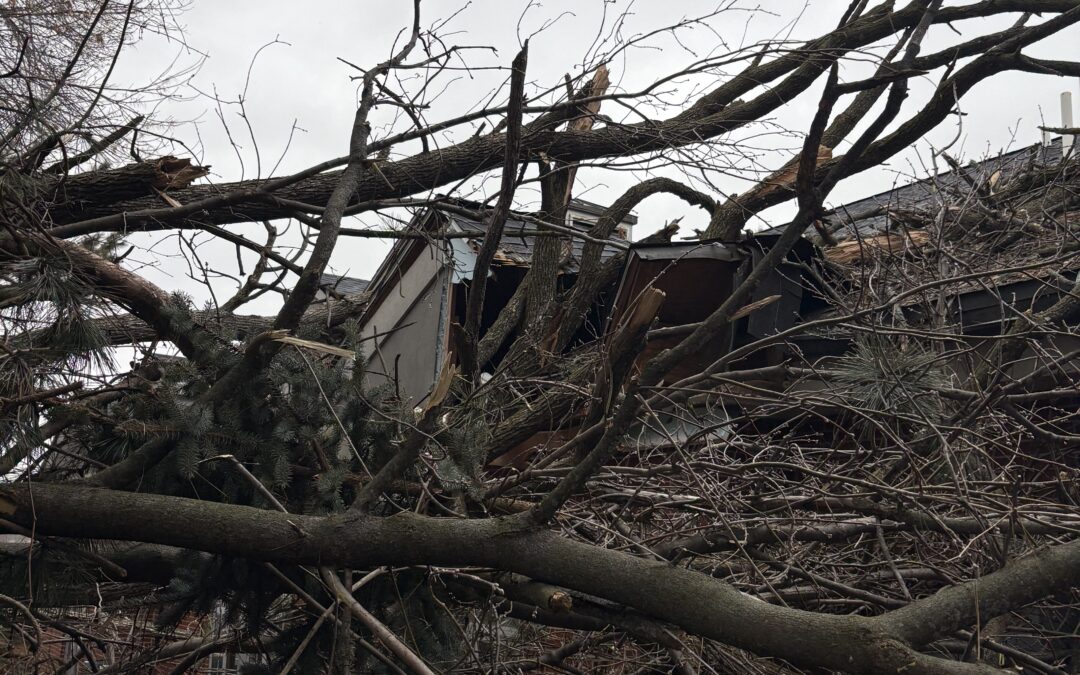
During the warmer months, preparing the exterior of your home for severe weather is essential. Inspect trees around your property for dead, weak, or overhanging branches that could break and fall during high winds or severe storms. Trimming hazardous limbs before storm season can help protect your home, vehicles, and family from preventable damage.
Emergency Alert Readiness:
With the increased risk of severe weather during the summer months, it's important to be prepared before a storm strikes. Enable emergency weather alerts and notifications on your phone or other devices so you can receive timely warnings about thunderstorms, hail, damaging winds, and tornadoes. Staying informed gives you valuable time to protect your home, gather emergency supplies, and move your family to safety if conditions become dangerous.
Post-Storm Roof Inspection:
No matter how well you prepare, severe storms can still cause unexpected property damage. Once it is safe to do so, inspect your home's exterior for signs of storm damage. Pay close attention to your roof for missing or damaged shingles, hail impacts, lifted flashing, fallen debris, or other signs of wind damage. Identifying and addressing storm damage early can help prevent leaks, water intrusion, and more costly repairs in the future.