Pipe Insulation:
To help reduce the risk of frozen or burst pipes, insulate exposed plumbing in basements, crawlspaces, garages, and other areas where pipes may be exposed to freezing temperatures. Proper insulation can help protect your plumbing system as temperatures continue to drop.
Humidity Monitoring:
To help control indoor moisture levels, monitor humidity throughout your home as temperatures begin to drop. Maintaining appropriate humidity can help reduce condensation and minimize the risk of moisture-related problems, including mold growth.
Attic Insulation Check:
To help protect your home from heat loss and moisture buildup, inspect attic insulation and ventilation before winter arrives. Proper insulation and ventilation can help maintain consistent indoor temperatures, improve energy efficiency, and reduce the potential for condensation and moisture problems.
Basement Mold Inspection:
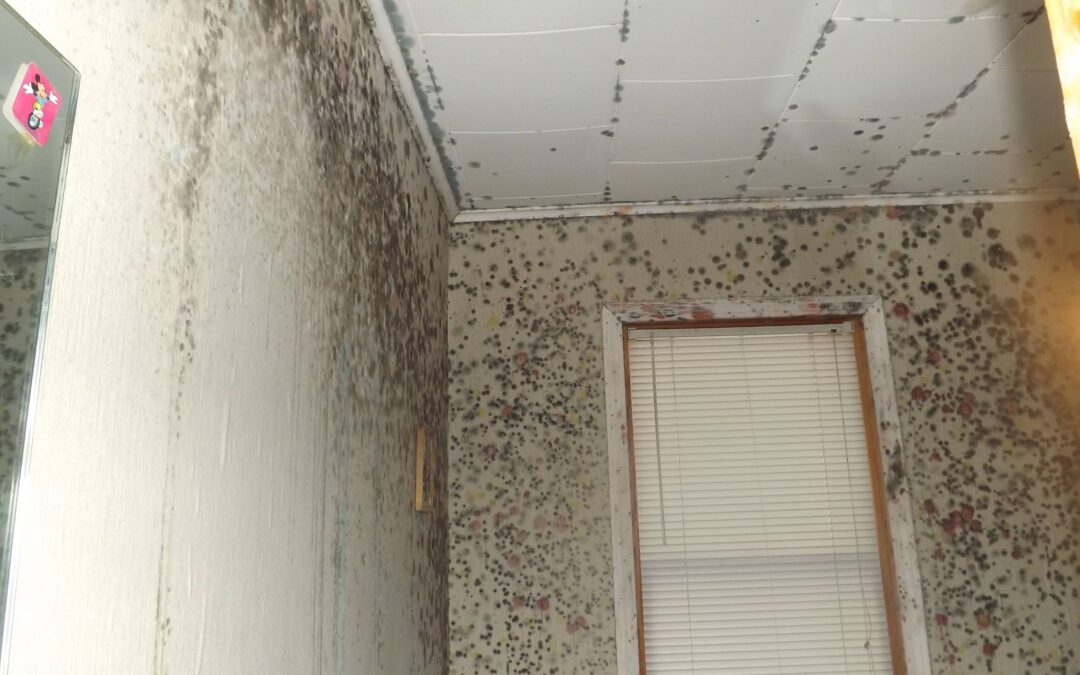
To help prevent moisture-related damage, inspect basement storage areas and other areas of the basement for signs of mold, dampness, water intrusion, or musty odors. Identifying moisture concerns early can help prevent minor problems from developing into more extensive damage.
Plumbing leak Check:
To help maintain the integrity of your plumbing system, inspect faucets, pipes, fixtures, and connections for leaks, corrosion, or other signs of wear. Addressing plumbing issues before freezing temperatures arrive can help reduce the risk of water damage and costly repairs.