Winter Fire & Electrical Safety
Winter brings increased use of furnaces, fireplaces, space heaters, and electrical equipment, which can create additional fire and safety risks around the home. In Southeast Wisconsin, colder temperatures often mean heating systems run for extended periods and households rely more heavily on indoor appliances. Practicing winter fire and electrical safety can help reduce these risks and protect your family and property. Use this checklist to inspect heating equipment, prevent electrical hazards, and make sure your smoke and carbon monoxide alarms are ready for the season.
Furnace Safety:
To help reduce the risk of fire and heating system problems, schedule routine furnace maintenance before peak heating season. Professional inspection and maintenance can help identify potential issues and keep your heating system operating safely and efficiently.
Space Heater Safety:
To help reduce the risk of fire, keep space heaters at least three feet away from combustible materials such as furniture, curtains, bedding, and other household items. Always follow the manufacturer's safety guidelines and never leave a space heater unattended while in use.
Electrical Load Management:
To help reduce the risk of electrical fires, avoid overloading outlets, extension cords, and power strips, particularly during the holiday season when electrical use may increase. Inspect cords and plugs for damage and use electrical equipment according to the manufacturer's guidelines.
Dryer Vent Cleaning:
To help reduce the risk of dryer fires, regularly clean the lint trap and inspect the dryer vent for lint buildup and obstructions. Proper dryer vent maintenance is especially important during the colder months when indoor dryer use may increase.
Smoke & CO Detector Testing:
To help protect your household in an emergency, test smoke detectors and carbon monoxide alarms before and throughout the heating season. Replace batteries as needed and follow the manufacturer's recommendations for testing and replacement.
Fireplace Safety Inspection:
To help reduce the risk of chimney and fireplace fires, have fireplaces and chimneys professionally inspected and cleaned before regular use during the colder months. Regular maintenance can help identify creosote buildup, damaged components, or other potential safety concerns.
What to Do After a House Fire
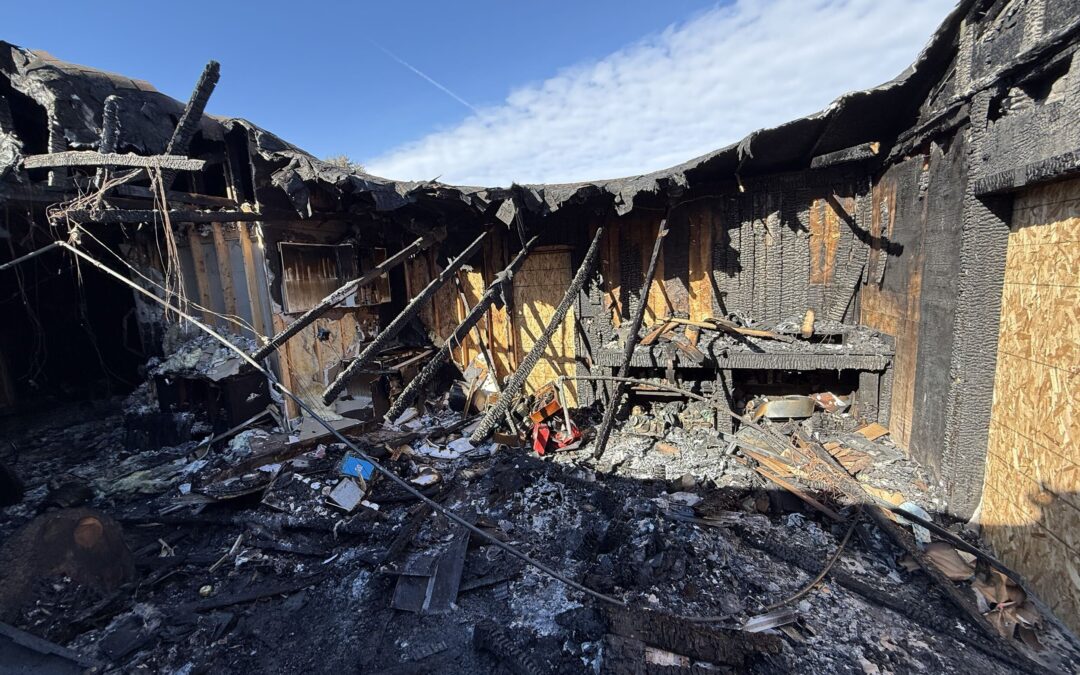
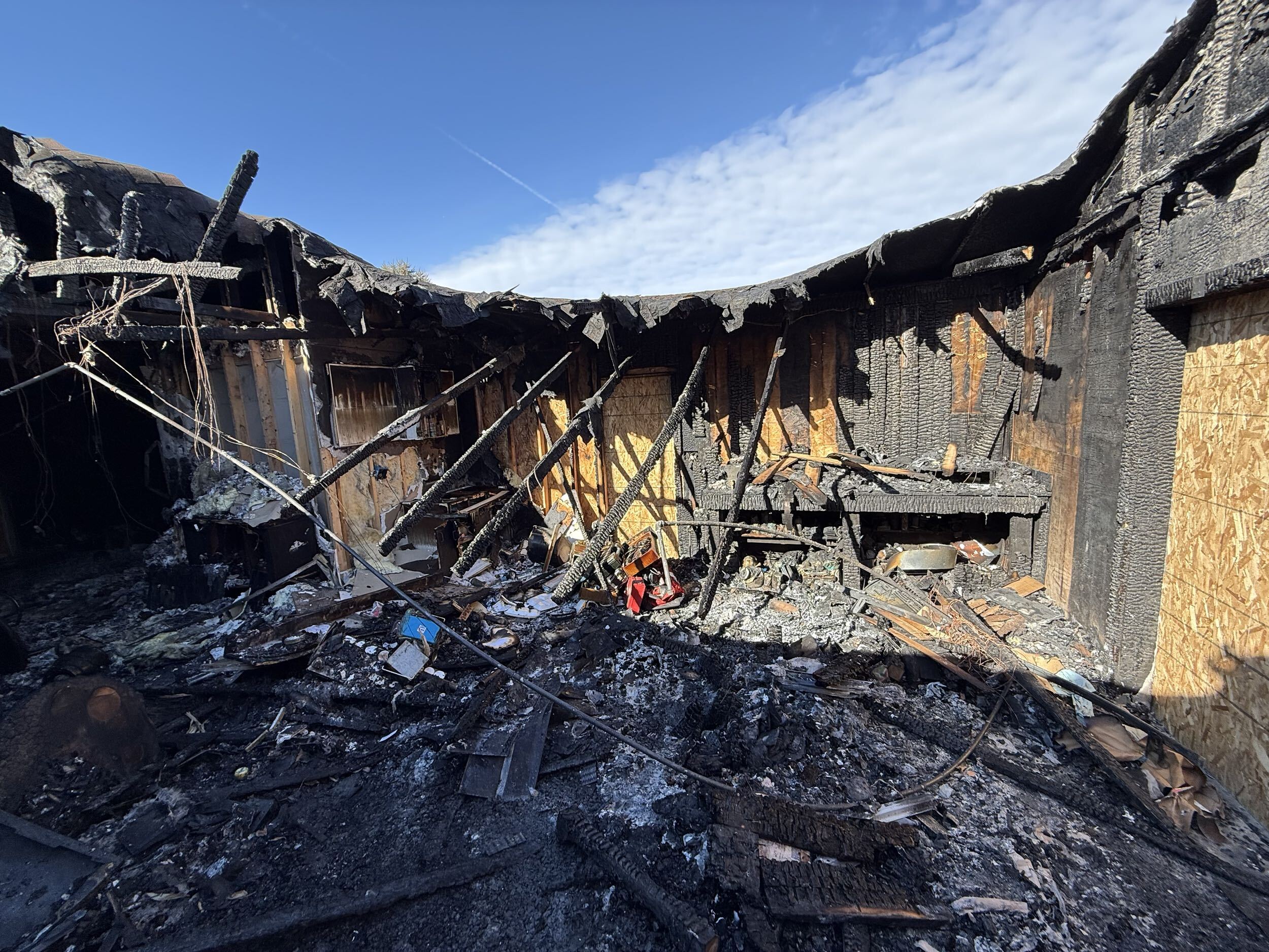
A house fire can cause serious damage from flames, smoke, soot, and water used during firefighting. If a fire occurs, prioritize the safety of everyone in the household.
-
Get everyone out: Leave immediately and call 911 from a safe location. Do not stop to collect belongings.
-
Stay outside: Never re-enter a fire-damaged property until emergency responders have declared it safe.
-
Contact your insurance company: Report the incident and ask about the next steps for your claim.
-
Document the damage: Take photographs or videos only when authorities have allowed safe access.
-
Arrange professional restoration: Smoke, soot, and firefighting water can affect areas beyond the visibly burned portion of a home.
Damage Control Inc. provides professional fire, smoke, soot, and water damage restoration throughout Southeast Wisconsin. Our team can help assess the damage and guide homeowners through the restoration process after a fire.