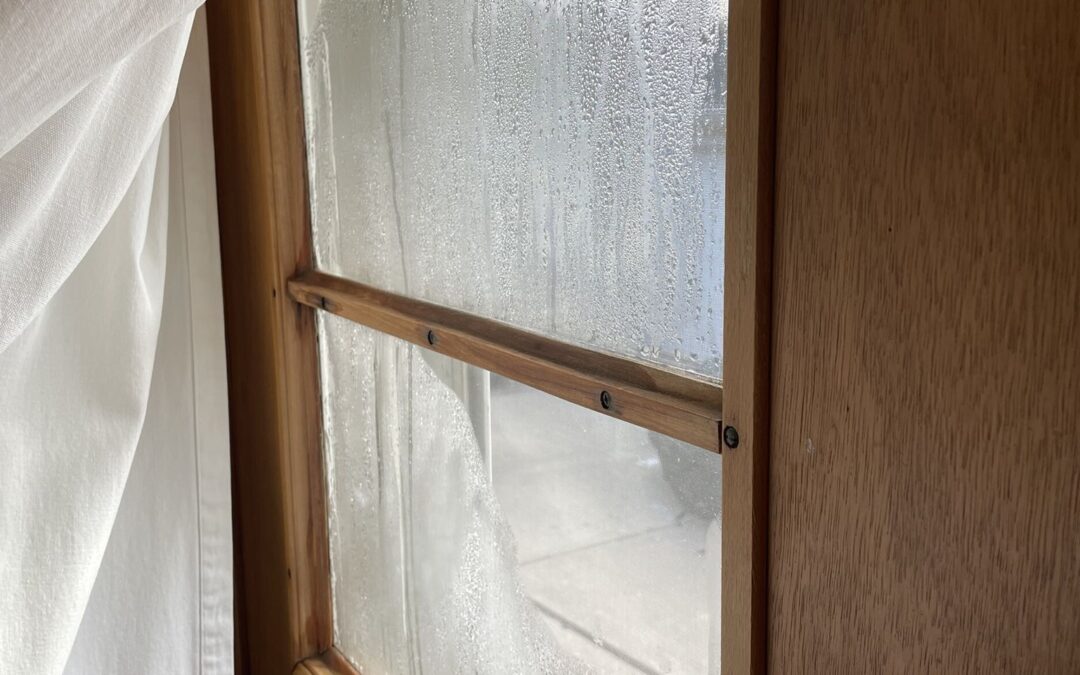
Humidity Control:
To help reduce the risk of moisture-related damage, monitor indoor humidity levels throughout the winter. Maintaining appropriate humidity can help minimize condensation on windows, walls, and other cold surfaces, reducing the potential for moisture buildup and mold growth.
Attic Frost Monitoring:
To help identify potential insulation or ventilation issues, periodically inspect your attic for frost accumulation, condensation, or signs of excess moisture during cold weather. Addressing these concerns early can help reduce the risk of moisture damage and mold growth.
Emergency Power Readiness:
To prepare for potential winter power outages, keep flashlights, extra batteries, and other essential emergency supplies in an accessible location. Having these items ready can help your household remain safer and more comfortable if severe winter weather disrupts electricity.
Document Protection:
To prepare for potential insurance claims or other emergencies, store important documents, insurance policies, and contact information in a secure, easily accessible location. Consider keeping digital backups in a secure location to help ensure important records remain available if physical documents are damaged or inaccessible.
Generator Safety Awareness:
To prepare for winter power outages, review your generator's operating instructions and safety procedures before severe weather arrives. Always operate portable generators outdoors, at least 20 feet away from your home and openings such as doors, windows, and vents. Never operate a generator inside a home, garage, or enclosed space due to the risk of carbon monoxide poisoning.