Severe Weather & Storm Risk:
-
Monitor forecasts for thunderstorms, high winds, and tornado watches
-
Secure outdoor furniture, grills, and seasonal items before storms arrive
-
Inspect trees for dead or weakened limbs that may fall during high winds
-
Ensure emergency alerts and weather notifications are enabled
-
Review emergency plans for severe weather events
Water Intrusion & Moisture Control:
-
Test sump pumps before heavy spring rainfall begins
-
Ensure sump discharge lines are clear and extended away from the foundation
-
Inspect basement and crawlspaces for signs of seepage or moisture
-
Clean gutters and downspouts to ensure proper drainage
-
Extend downspouts away from the foundation where needed
-
Address minor leaks quickly before repeated rainfall worsens damage
Fire & Heating Safety:
-
Schedule HVAC system inspection before transitioning to cooling season
-
Replace furnace filters after heavy winter use
-
Ensure dryer vents remain clear after winter indoor usage
-
Inspect outdoor electrical connections and extension cords used during winter
-
Test smoke and carbon monoxide detectors
Exterior Property Protection:
-
Inspect roofing for damage caused by winter snow, ice, or wind
-
Check siding, soffits, and fascia for moisture or wind-related damage
-
Repair cracks in driveway, walkways, and foundations caused by freeze-thaw cycles
-
Evaluate grading around the home to ensure proper water runoff
-
Seal gaps around doors and windows to reduce drafts and moisture intrusion
Interior Systems & Safety:
-
Inspect attic spaces for moisture stains or ventilation issues
-
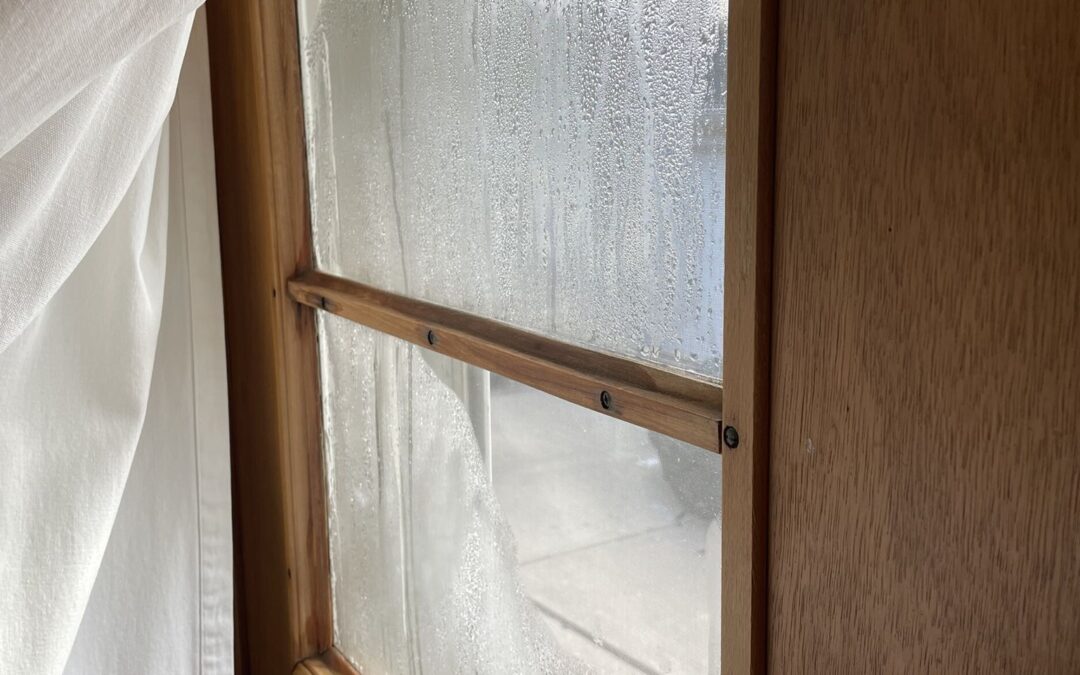
Monitor indoor humidity levels as temperatures fluncuate
-
Check basement storage areas for signs of mold or water intrusion
-
Ensure plumbing fixtures are free of winter-related leaks or stress
Seasonal Transition & Preparedness:
-
Take updated photos of property condition after winter weather
-
Review insurance coverage and understand storm-related deductibles if applicable
-
Prepare for increased storm frequency during late spring
-
Clean and store winter equipment safely to prevent hazards
-
Identify contractors in advance for potential post-storm repairs
Spring readiness is one of the most effective ways to prevent water-related losses and storm damage in Southeast Wisconsin. Small preventative actions taken early in the season can significantly reduce emergency repairs later in the year.