
Summer Exterior Property Protection:
Summer weather in Southeast Wisconsin can expose your home's exterior to strong winds, heavy rainfall, hail, humidity, and intense sun. These conditions can damage roofing, siding, driveways, decks, and other outdoor structures. Even small areas of damage can allow moisture to enter your home or lead to more expensive repairs if left unaddressed.
Following an exterior property protection checklist can help you identify potential problems early and reduce the risk of storm damage, water intrusion, and structural deterioration. Use these summer maintenance tips to inspect your home's exterior and prepare for changing weather conditions.
Roof Inspection After Storms:
After a major summer storm, check your roof for visible signs of hail, wind, or water damage. Look for missing or lifted shingles, damaged flashing, loose roofing materials, clogged gutters, and fallen branches. Also inspect ceilings and attic spaces for new water stains or signs of leaks.
Avoid climbing onto a roof to inspect it. View the roof from the ground when possible, and contact a qualified roofing professional if you suspect damage. Addressing problems promptly can help reduce the risk of water intrusion and more extensive repairs.
Tree and Branch Clearance
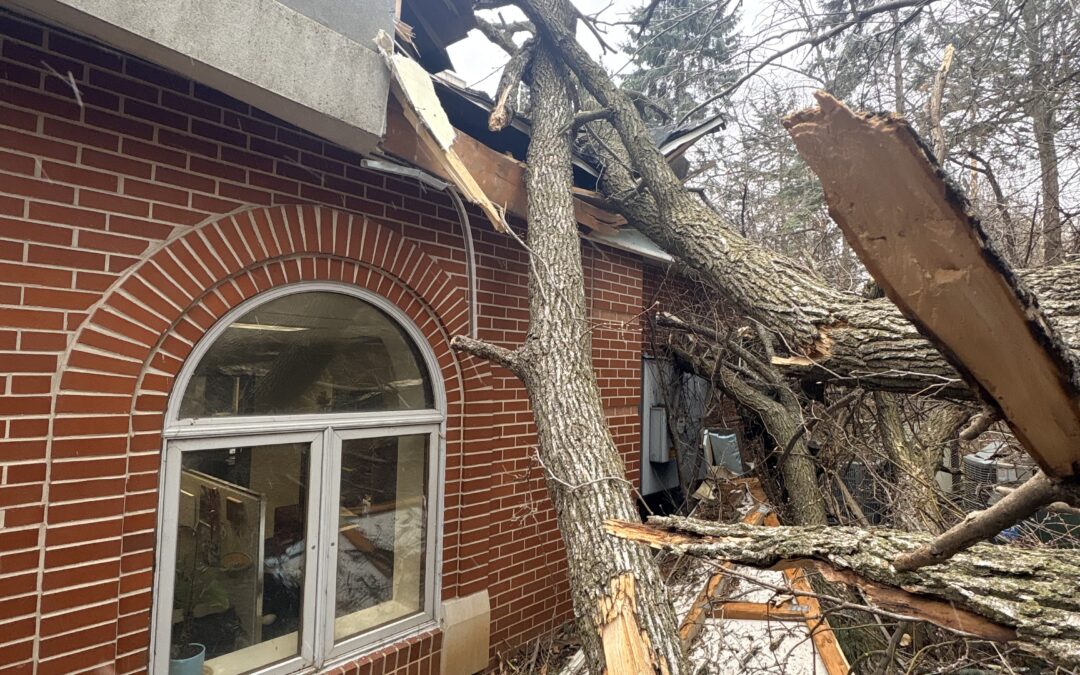
Inspect trees around your home for dead, damaged, or overhanging branches that could fall during strong winds. Keep branches from rubbing against the roof and remove loose limbs when it is safe to do so. Have large or potentially hazardous trees assessed by a qualified tree care professional.
Siding & Exterior Envelope Check:
Inspect siding, soffits, fascia, and trim for cracks, loose panels, missing sections, or areas where water may be getting behind the exterior surface. Pay particular attention to corners, joints, and areas around windows and doors. Repairing damaged sections can help protect the materials beneath your home's exterior from moisture and deterioration.
Driveway & Walkway Cracks:
Check driveways, sidewalks, patios, and other paved surfaces for cracks, uneven sections, or areas where rainwater collects. Repairing damaged surfaces and correcting drainage problems can help reduce erosion and keep water from pooling near your foundation. Make sure runoff flows away from the home rather than toward basement walls or window wells.
Window and Door Seals
Inspect exterior doors and windows for cracked caulk, damaged weatherstripping, loose trim, and deteriorating seals. Check basement windows and window wells for debris or drainage problems. Repairing gaps and maintaining proper drainage can help limit water intrusion during heavy summer rainfall.
Gutters and Downspouts
Clean gutters and check for loose fasteners, leaks, sagging sections, or areas where water overflows during rain. Make sure downspouts direct water away from the foundation and that extensions remain in place. Proper drainage helps reduce standing water, soil erosion, and basement moisture problems.
Deck and Stair Safety
Inspect decks, porches, and stairs for soft or rotting wood, loose boards, protruding fasteners, unstable railings, and shifting supports. Check the areas where the deck connects to the house, since these connections can be vulnerable to moisture damage. Repair structural problems before using the space regularly, and have significant deterioration assessed by a qualified contractor.
Fence and Retaining Wall Inspection
Check fences, gates, and retaining walls for leaning sections, loose posts, cracked materials, or signs of soil movement. Heavy rain can wash away soil and weaken supports. Address drainage issues and have leaning or unstable structures evaluated before they become a safety concern.
What to Do If Your Home Has Exterior Storm Damage
Summer storms can cause roof damage, broken windows, water intrusion, and other problems around your property. If you discover damage after a storm, take these steps:
Check for immediate hazards. Stay away from downed power lines, unstable trees, damaged structures, and areas with electrical hazards.
Prevent further damage when safe. If possible, move belongings away from leaks and use temporary protection only when it is safe to do so. Avoid climbing onto damaged roofs or attempting hazardous repairs.
Document what you find. Take photos and videos of visible damage from a safe location.
Contact your insurance company. Report the damage and ask about the documentation and next steps for your claim.
Arrange appropriate professional help. A qualified contractor can assess exterior building damage. If water has entered your home, professional water damage restoration may be needed to dry affected areas and limit further damage.
If a storm creates an immediate threat to life or property, contact emergency services or the appropriate utility provider.
Summer Exterior Property Protection
Summer maintenance is an important part of protecting your home from severe weather, water intrusion, and gradual exterior deterioration. By checking your roof, siding, gutters, windows, driveway, and outdoor structures, you can identify potential problems early and help reduce the risk of costly damage.
If a summer storm damages your property or allows water to enter your home, Damage Control Inc. provides professional storm and water damage restoration services throughout Southeast Wisconsin. Contact our team for help assessing the damage and restoring your property.
