Winter Water Intrusion Prevention:
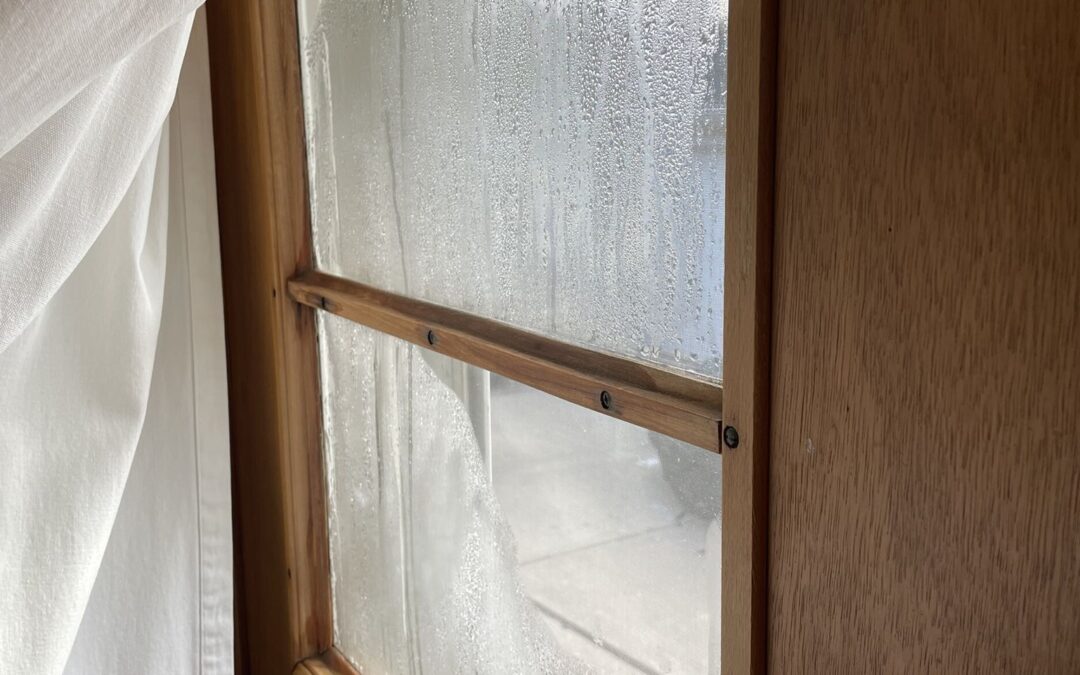
Winter weather in Southeast Wisconsin can create water intrusion problems even when temperatures remain below freezing. Melting snow, ice dams, foundation drainage issues, and indoor condensation can all contribute to moisture damage inside a home. Winter water intrusion prevention starts with identifying vulnerable areas and managing water before it reaches walls, floors, and other building materials. Use these tips to help protect your basement, foundation, roof, and living spaces throughout the colder months.
Manage Snow Around the Foundation:
Pay attention to where snow accumulates around your home's foundation during winter. Large snow piles close to foundation walls can contribute to moisture problems when temperatures rise and the snow begins to melt. When practical, keep snow away from basement window wells and avoid directing meltwater toward the home. Check that exterior drainage areas remain clear so water can move away from the foundation rather than collecting beside it.
Keep Gutter and Downspouts Clear:
Gutters and downspouts help direct water away from your home's foundation, even during the winter months. Before freezing weather becomes severe, remove leaves and debris that could restrict drainage. Check for loose sections, damaged connections, and downspouts that discharge too close to the house. After a thaw, look for water collecting near the foundation or signs that melting snow is not draining properly. If gutters are covered with ice or difficult to reach, use a qualified professional rather than climbing onto an icy ladder.
Main Water Shutoff Awareness:
To be prepared for a plumbing emergency, locate your home's main water shutoff valve before an emergency occurs. Knowing how to quickly shut off the water can help minimize damage if a pipe leaks or bursts.
Foundation Drainage Awareness:
To help reduce the risk of water intrusion, keep snow and ice from accumulating directly against your home's foundation. Properly managing snow around the foundation can help reduce the amount of melted water that collects near the structure and refreezes during periods of fluctuating temperatures.
Check Basement Windows and Window Wells:
Inspect basement windows, window wells, and their surrounding seals for signs of water entry. Look for damaged caulking, cracks, debris, and drainage problems that could allow melting snow or rain to collect near the windows. Keep window wells clear of leaves and other debris, and make sure covers are secure and properly fitted. Water stains, damp window frames, or recurring moisture near basement windows may indicate a problem that needs attention.
Watch for Ice Dams and Roof Leaks:
Ice dams can form along roof edges when melting snow refreezes near the eaves. As ice builds up, water may back up beneath roofing materials and enter the attic, walls, or ceilings. Watch for icicles and thick ice along roof edges, water stains on ceilings, damp attic insulation, or peeling paint near exterior walls. Proper attic insulation, air sealing, and ventilation can help reduce conditions that contribute to ice dams. Avoid climbing onto the roof or attempting to chip away ice yourself; contact a qualified roofing professional if you suspect a problem.
What to Do If Water Enters Your Home During Winter
Even with regular maintenance, melting snow, ice dams, plumbing leaks, and foundation problems can cause unexpected water damage. If water enters your home:
-
Put safety first: Stay out of areas where standing water may contact electrical outlets, appliances, or wiring.
-
Stop the source if safe: Shut off the water supply if a plumbing leak is responsible and you can safely reach the valve.
-
Protect belongings: Move furniture and personal items away from affected areas when it is safe to do so.
-
Document the damage: Take photos and videos for your records and insurance company.
-
Address the moisture: Arrange professional assessment if water has reached walls, flooring, insulation, or other building materials.
-
Watch for mold concerns: Persistent dampness and musty odors should be investigated rather than ignored.
Damage Control Inc. provides professional water damage restoration and mold remediation services throughout Southeast Wisconsin. If winter water intrusion affects your home, contact our team for help assessing the damage and planning the restoration process.