Summer Fire and Electrical Safety:
Summer brings more outdoor cooking, backyard fires, and use of electrical equipment around the home. These activities can increase the risk of accidental fires, electrical hazards, and property damage for homeowners throughout Southeast Wisconsin.
Following a few summer fire and electrical safety practices can help reduce these risks. Use this checklist to review your grill, fire pit, outdoor electrical equipment, and household appliances before problems occur.
Grill Safety Practices:
Outdoor grilling is a favorite summer activity, but it also increases the risk of residential fires. Always keep grills and fire pits at least 10 feet away from your home's siding, decks, railings, and overhanging branches. Never leave a grill unattended while it is in use, and keep children and pets a safe distance away.
Grease Fire Prevention:
Grease buildup inside a grill can quickly ignite and cause dangerous flare-ups. Clean your grill regularly by removing grease and food residue from the grates, drip trays, and grease collection areas to help reduce the risk of fire.
Safe Ash Disposal:
After using a charcoal grill or fire pit, allow ashes and coals to cool completely before disposal. Place cooled ashes in a metal container with a tight-fitting lid and store the container away from combustible materials until the ashes are completely extinguished.
Outdoor Electrical Safety:
Summer often brings increased use of outdoor electrical equipment, extension cords, and lighting. Avoid overloading outdoor outlets or extension cords, inspect cords for damage before use, and only use extension cords that are rated for outdoor use.
Dryer Vent Fire Risk:
One of the most overlooked household fire hazards is lint buildup in dryer vents. Clean the lint trap after every load and inspect and clean the dryer vent regularly to improve airflow and reduce the risk of a dryer fire.
Pool and Water-Related Electrical Hazards:
Keep electrical devices and cords away from pools and wet areas. Use appropriate outdoor electrical protection, and have a qualified electrician address questionable outlets or wiring.
Smoke Alarms and Fire Extinguishers:
Test smoke alarms, replace batteries as needed, and make sure household members know where fire extinguishers are located and how to use them safely.
What to Do After a House Fire
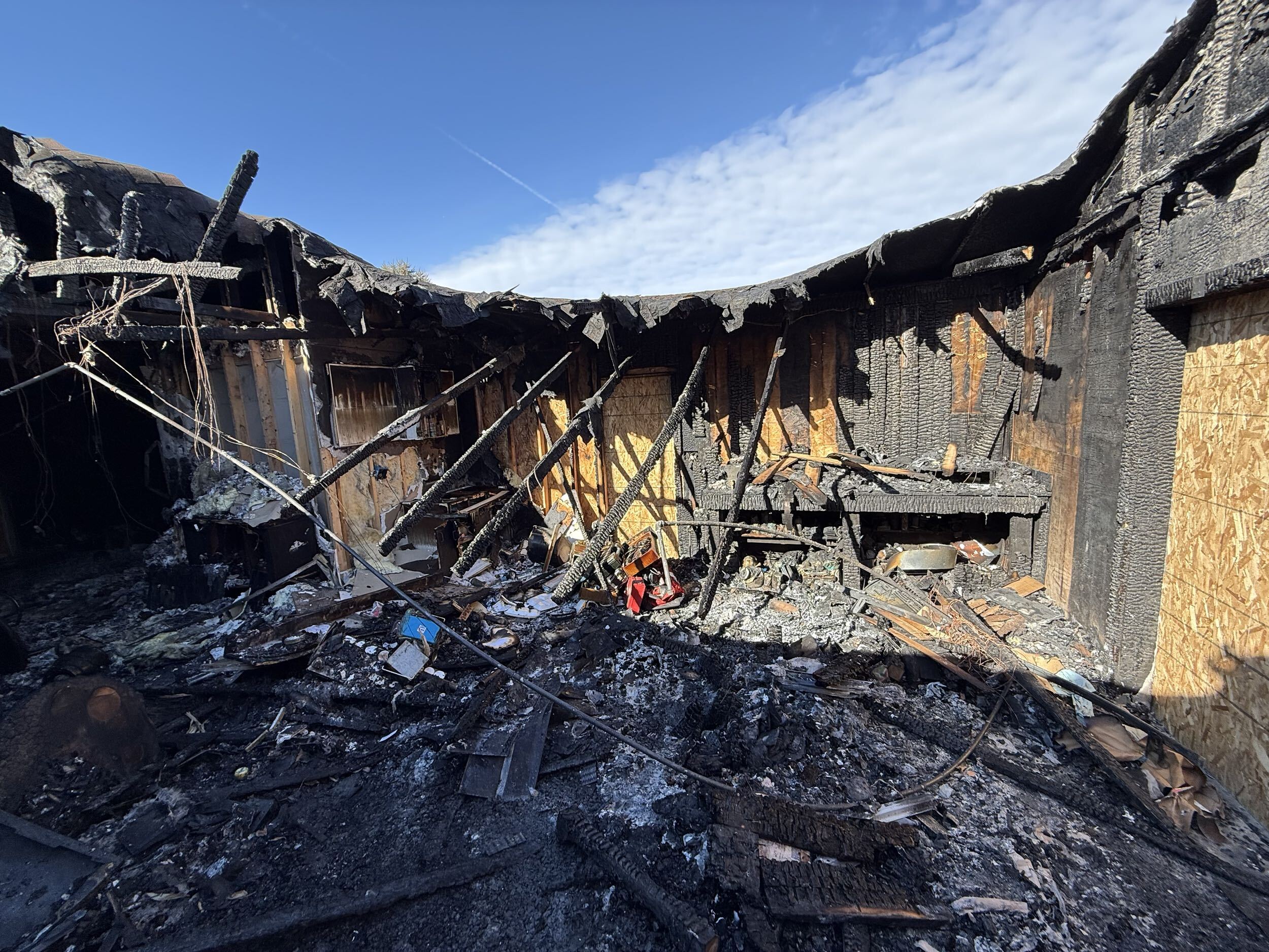
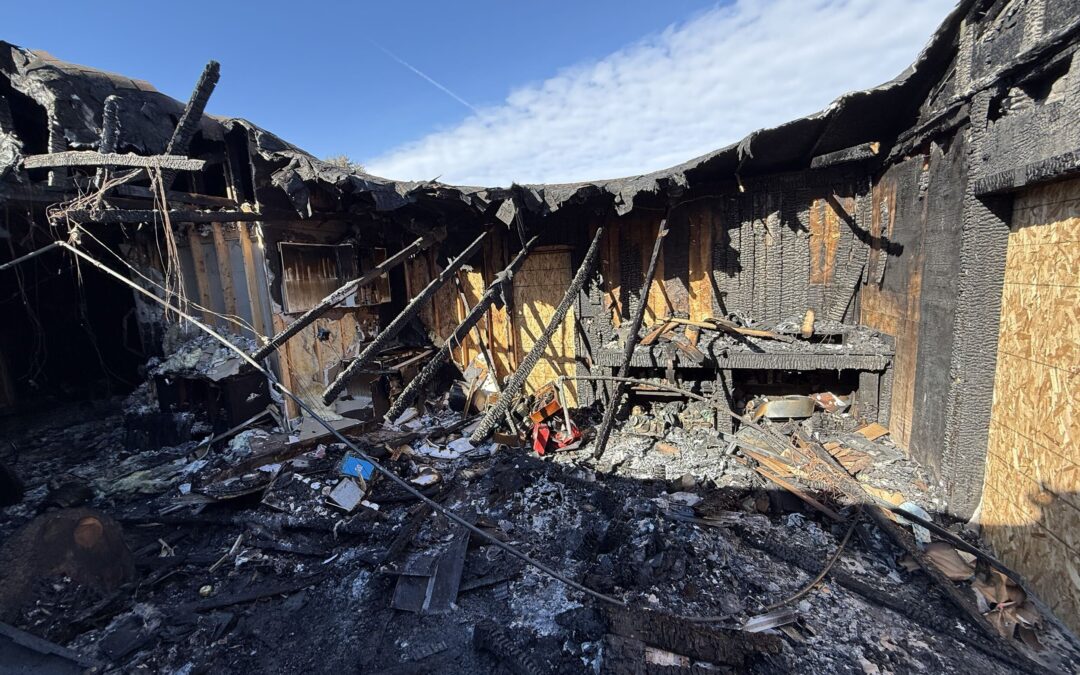
Even a small fire can cause damage from smoke, soot, and firefighting water. If a fire occurs in your home, prioritize everyone's safety and take the following steps:
Make sure everyone is safe. Get outside and call 911 if there is an active fire or an immediate danger.
Wait for clearance before re-entering. Do not go back inside until the fire department or other authorities confirm that it is safe.
Contact your insurance company. Report the damage and ask about documentation and next steps for your claim.
Document the damage when permitted. Take photos and videos of affected areas and belongings only after authorities allow you to return.
Arrange professional restoration. Smoke, soot, and water from firefighting efforts can affect areas beyond the visible fire damage. A professional restoration team can assess the property and determine the appropriate cleanup and restoration process.
Avoid cleaning extensive soot damage or operating affected electrical systems before they have been assessed by qualified professionals.
Protect Your Home From Summer Fire and Electrical Hazards
Summer grilling, outdoor activities, and increased use of electrical equipment can introduce additional fire and electrical risks around your home. Taking time to inspect your grill, clean your dryer vent, use outdoor electrical equipment properly, and check your smoke alarms can help reduce the risk of accidental fires.
If your home experiences a fire, smoke damage, or related property damage, Damage Control Inc. provides professional fire damage restoration services throughout Southeast Wisconsin. Contact our team for help assessing the damage and restoring your property.