
Home Damage Prevention & Restoration Tips | Damage Control
Home Damage Prevention and Restoration Tips:
Protecting your home starts with knowing what to look for, how to prepare, and what to do when property damage occurs. The Damage Control blog provides practical home damage prevention tips, restoration guidance, and homeowner resources for Southeast Wisconsin.
Explore articles about water damage, basement flooding, fire and smoke damage, mold, severe weather, seasonal maintenance, and insurance considerations. Whether you're preparing for Wisconsin's changing seasons or responding to unexpected damage, our guides can help you understand the next steps and when professional restoration may be needed.
Need help with property damage? Damage Control provides restoration and remodeling services for homeowners throughout Southeast Wisconsin.
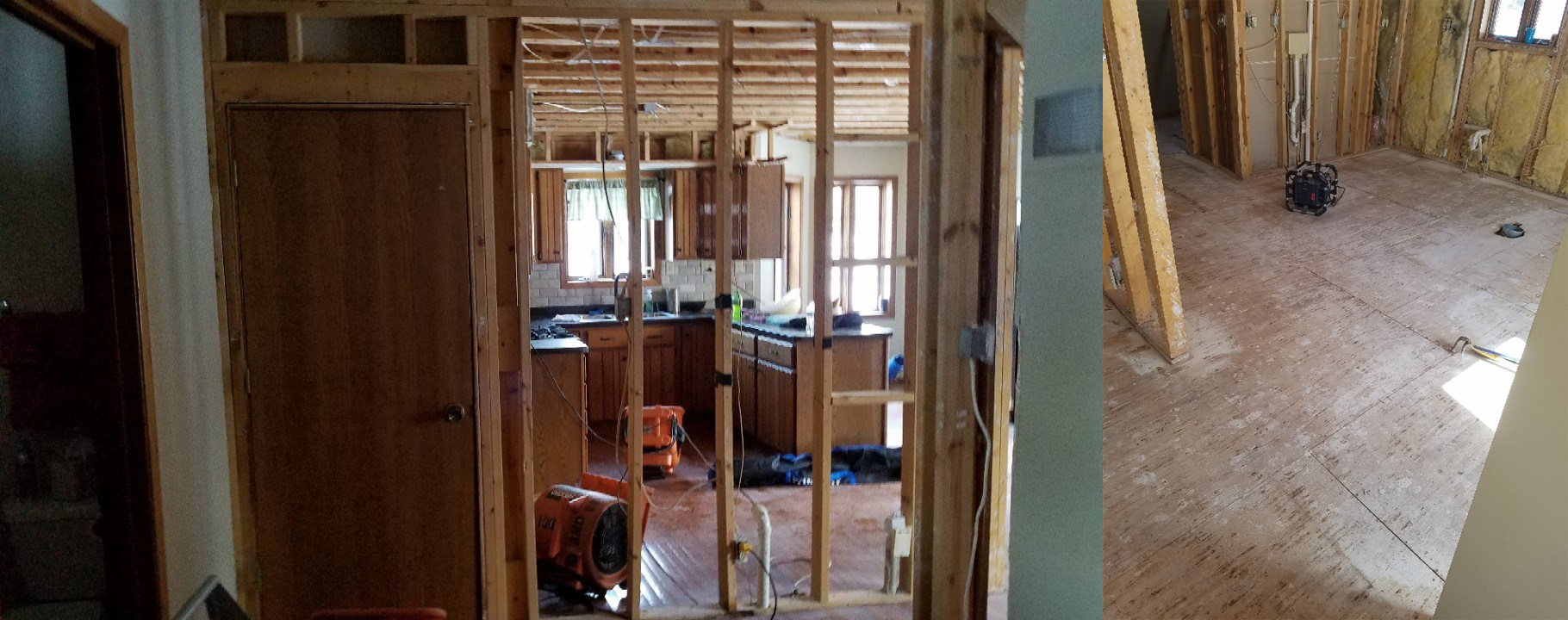
Water Intrusion & Moisture Control in Fall
As summer transitions into cooler autumn weather, homeowners should take proactive steps to prevent water intrusion and control moisture buildup in and around the home. Fall is an ideal time to inspect potential problem areas, address drainage issues, and prepare your property for the increased rain, freezing temperatures, and winter weather ahead.
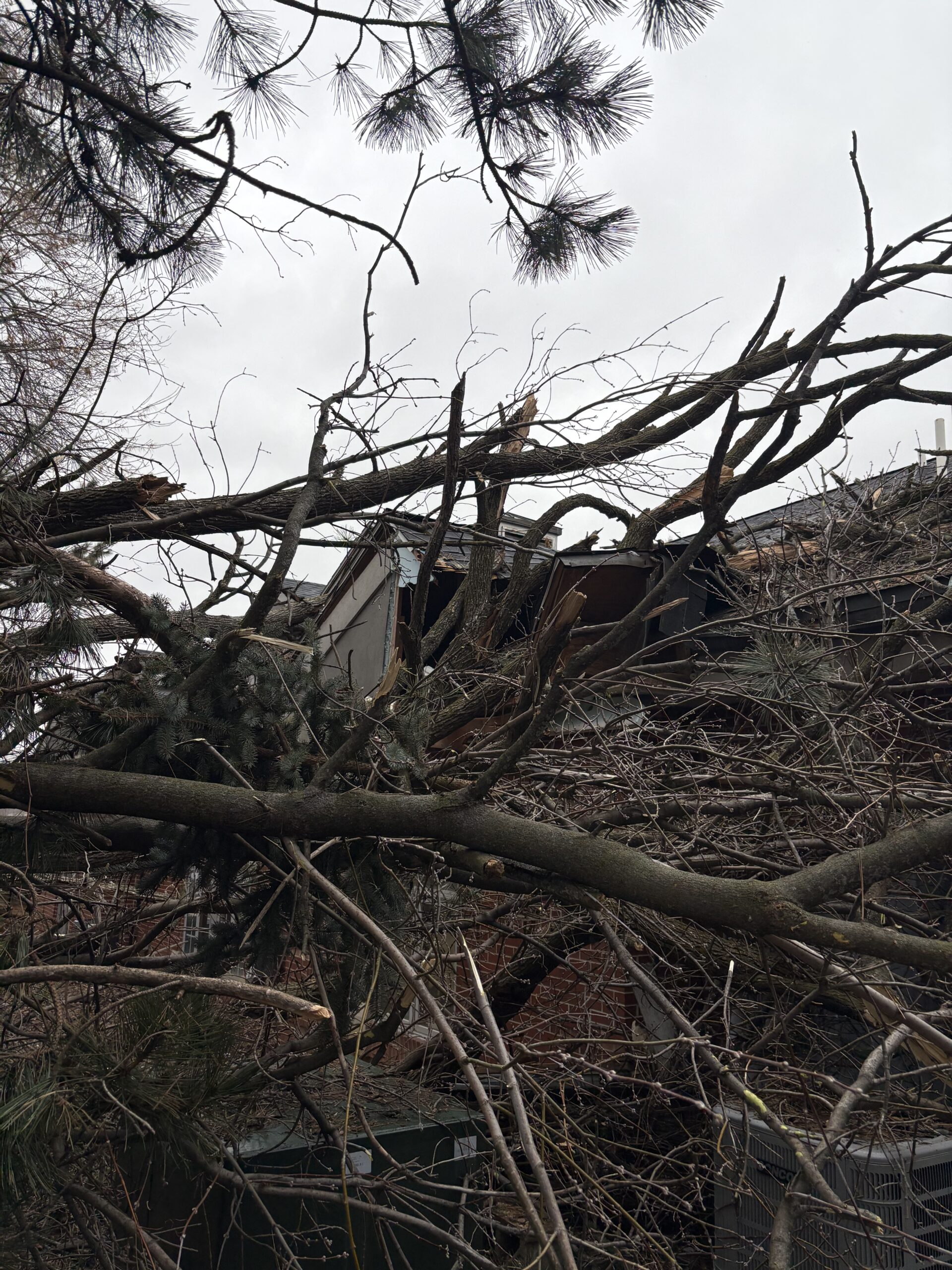
Severe Weather & Storm Risk in Fall
As Southeast Wisconsin transitions from summer into fall, it’s important to prepare your home for the cooler months ahead. Taking preventative measures before temperatures drop can help protect your property from seasonal weather changes, reduce the risk of damage, and ensure your home is ready for winter.
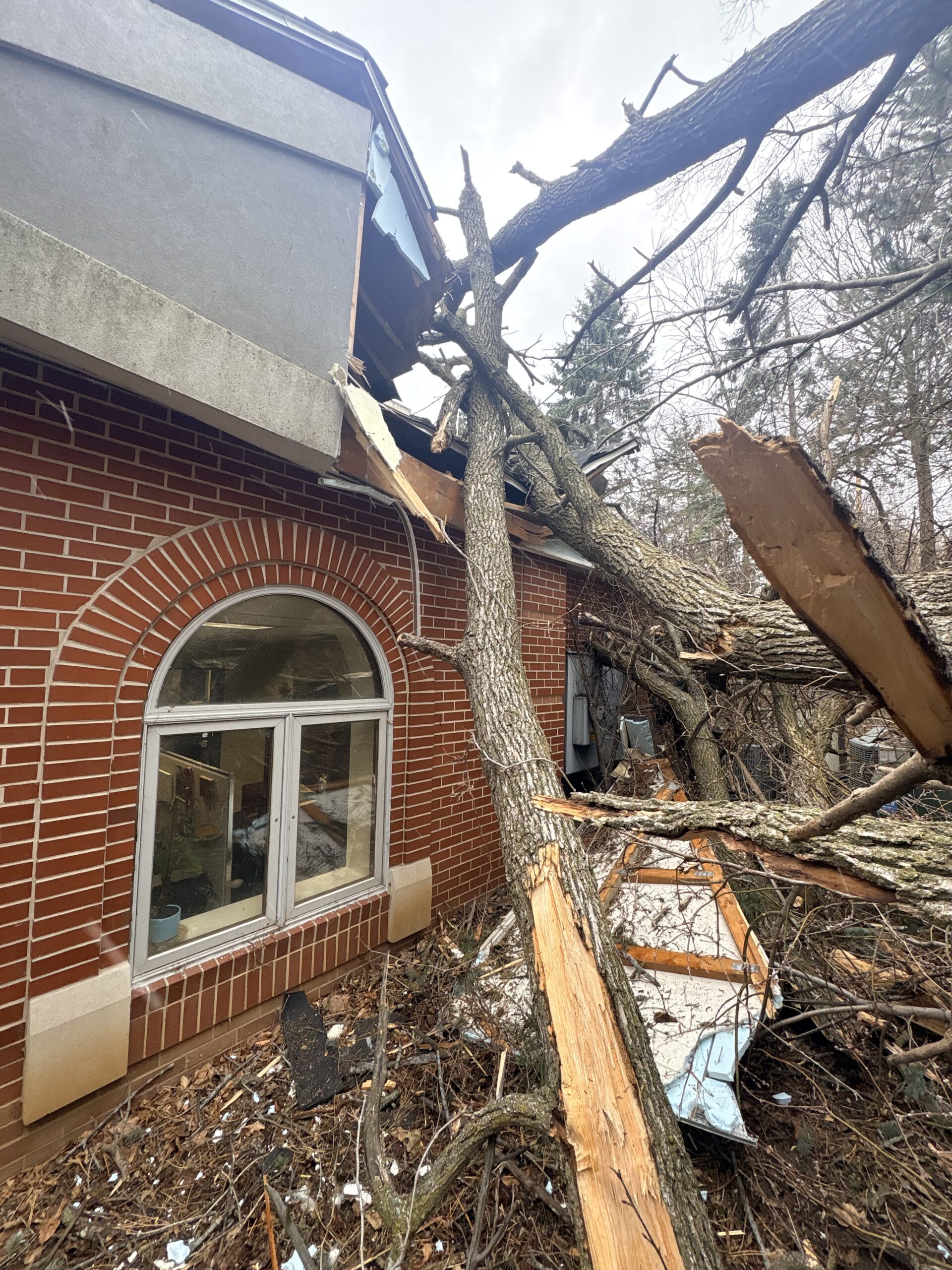
Exterior Property Protection in Summer
During the summer storm season, homeowners should take proactive measures to protect the exterior of their property from severe weather. Preparing your home before storms arrive can help reduce the risk of wind, hail, and water damage while minimizing the need for costly repairs.
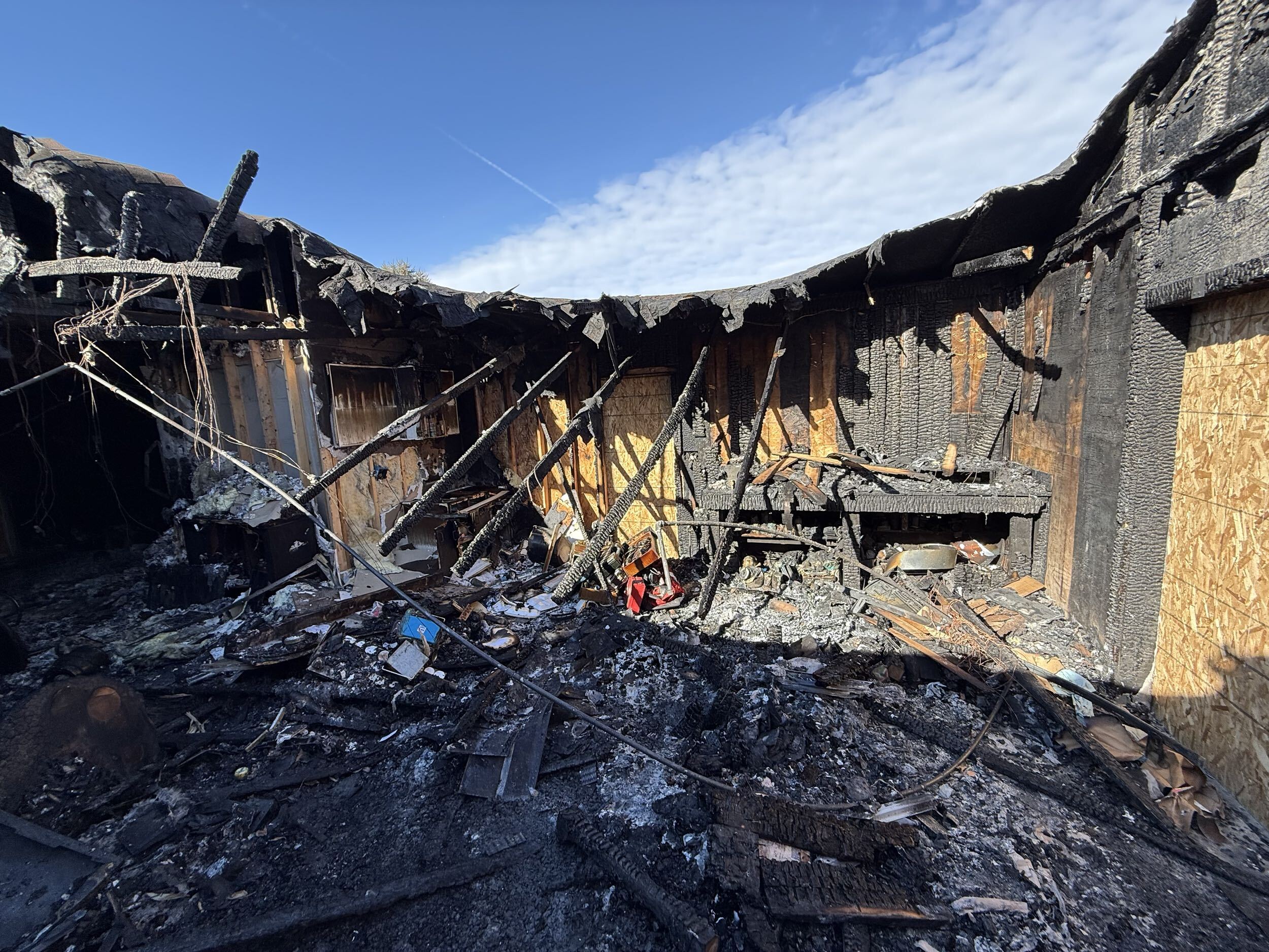
Fire & Electrical Safety in Summer
During the summer months in Wisconsin, homeowners should take proactive steps to reduce the risk of fire and electrical hazards associated with outdoor grilling and other seasonal activities. Practicing proper grill safety and maintaining outdoor electrical equipment can help prevent accidents and protect your home and family.

Water Intrusion & Moisture Control in Summer
During Wisconsin’s summer months, homeowners should take preventive measures to reduce the risk of water intrusion, basement flooding, and excess indoor moisture. Preparing your home before severe weather strikes can help prevent costly water damage and mold growth.
Southeast Wisconsin Property Damage Prevention in Summer
As summer storms continue to move through Southeast Wisconsin, taking proactive steps to protect your home can help prevent avoidable property damage. Preparing before severe weather arrives can reduce the risk of costly repairs and help keep your property safe throughout the storm season.
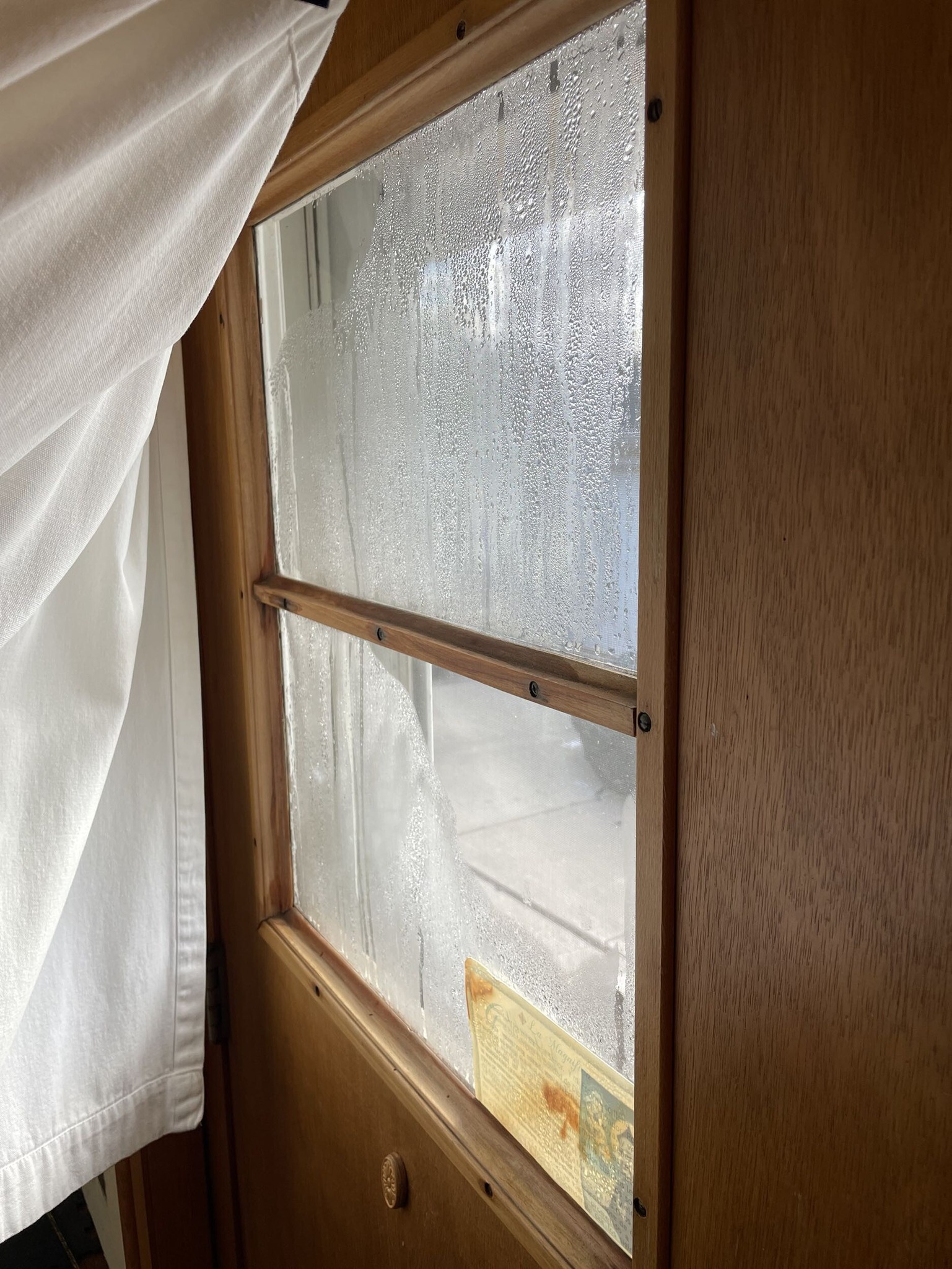
Spring Property Damage Prevention Checklist
Spring in Southeast Wisconsin brings rapid snow melt, heavy rain, severe thunderstorms, and fluctuating temperatures. These conditions increase the risk of water intrusion, foundation issues, and storm-related damage. Proactive preparation can help reduce preventable losses.

Winter Property Damage Prevention Checklist
Winter in Southeast Wisconsin brings freezing temperatures, snow, ice, and elevated fire risks. A few proactive steps before and during winter weather can help reduce property damage, improve safety, and minimize costly emergency repairs.

Fall Property Damage Prevention Checklist
Fall in Southeast Wisconsin is a critical transition season marked by falling temperatures, heavy rain, leaf buildup, and preparation for freezing conditions. Preventative maintenance during this period helps reduce winter-related property damage, including frozen pipes, ice dams, and heating system failures.

Summer Property Damage Prevention Checklist
Summer in Southeast Wisconsin brings severe thunderstorms, hail, high humidity, and increased outdoor activity. These conditions can contribute to storm damage, fire risks, and moisture related property issues. Proactive preparation helps reduce preventable losses